

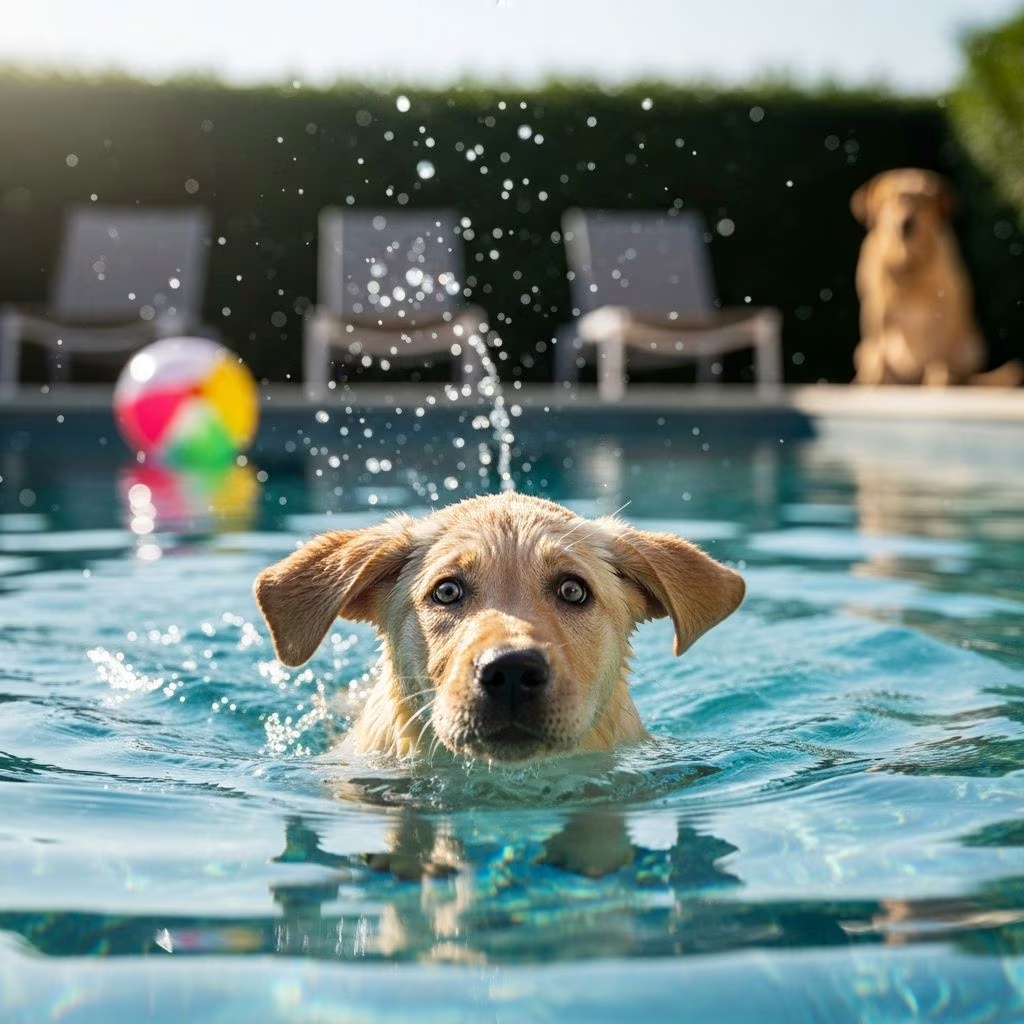
Can All Dogs Swim?
Splashing around in the pool is a summer rite of passage, and if you have an adorable furry companion, you might be wondering if your pup can join you in the deep end. But can all dogs swim? Is it something they just instinctively know how to do? The answer might surprise you. While many dogs are capable swimmers, not all dogs are built for water activities. Understanding your dog’s breed, physical abilities, and comfort level is essential for ensuring their safety and enjoyment around water.
The myth that all dogs are natural swimmers is widespread but inaccurate. Even though many dogs instinctively paddle in the water, that doesn’t automatically mean they’re great swimmers—or even that it’s safe for them to be in the water. Several factors influence a dog’s ability to thrive in water, including breed characteristics, overall physical health, body structure, and early exposure to water environments. Dogs introduced to water gradually and positively when young are often more confident swimmers, and their physical health and conditioning matters tremendously.
Do All Dogs Know How To Swim?
The short answer is no. Not all dogs inherently know how to swim. Despite the common assumption that swimming is an instinctive behavior for dogs, many breeds struggle significantly in water or may even avoid it altogether. This misconception is likely reinforced by the swimming stroke referred to as the “dog paddle,” which creates a false impression that all dogs are natural water enthusiasts.
Several critical factors influence whether a dog can swim effectively:
- Whether they belong to a sporting breed developed for watery conditions, known as “water dogs”
- Their overall physical health and conditioning
- Their body structure and physical build
- Whether they’ve had early exposure to and socialization in water settings
- Age and potential joint problems like arthritis or hip dysplasia
- Weight management and obesity levels
- Personality and temperament toward water activities
Obesity, arthritis, or underlying medical issues can make swimming more difficult or even dangerous for dogs. Additionally, breeds with low body fat like Dobermans and Boxers can have trouble maintaining warmth and buoyancy in the water. Older dogs may tire easily, and certain breeds are prone to hypothermia when exposed to cold or cool water for extended periods.
Dogs That Swim Well
Certain dog breeds are naturally excellent swimmers and were specifically bred for water work. These breeds possess physical characteristics that make them ideally suited for aquatic activities. Understanding which breeds excel in water can help you determine if your dog has inherent swimming advantages.
Labrador Retrievers: Bred for retrieving waterfowl, Labradors are among the most accomplished swimmers. They possess webbed feet and a water-resistant coat, making them exceptional in water environments. Their genetic makeup literally includes swimming capabilities.
Golden Retrievers: Like Labradors, Golden Retrievers were developed as sporting breeds for water retrieval. They naturally take to water and typically excel at swimming activities.
Newfoundlands: Known for their remarkable swimming skills and water rescue abilities, Newfoundlands have been bred specifically for water work, including lifesaving operations. These large, powerful dogs are among the best swimmers in the canine world.
Portuguese Water Dogs: As their name suggests, these dogs were bred to assist fishermen and work in water environments, making them exceptional swimmers. They possess the physical attributes and instinctive behaviors necessary for water activities.
Boykin Spaniels: Developed as hunting dogs for water retrieval, Boykin Spaniels are naturally inclined toward water and typically swim with confidence and ease.
Nova Scotia Duck Tolling Retrievers: These versatile hunting dogs were designed to work in aquatic environments and possess natural swimming abilities.
These breeds share common characteristics that make them excellent swimmers: water-resistant coats, appropriate body weight distribution, long legs relative to body size, and genetic predisposition toward water activities. If you own one of these breeds, you’re more likely to have a naturally confident swimmer on your hands.
Dog Breeds That Might Struggle With Swimming
On the opposite end of the spectrum, certain dog breeds face significant challenges when it comes to swimming. These breeds often have physical characteristics that make water activities difficult, risky, or even dangerous without proper supervision and safety equipment.
Bulldogs (English and French): Bulldogs represent some of the most challenged swimmers in the canine world. They possess a triple threat of physical challenges: flat faces, barrel-shaped bodies, and short legs. French Bulldogs and other bulky, short, and heavy bully breeds are generally not good swimmers because of their broad chest and short legs. Their structure makes it nearly impossible to maintain buoyancy, and they often sink quickly when not provided with a life jacket. Only one of these traits would make swimming challenging; possessing all three makes bulldogs among the least suited for water activities.
Pugs: As a brachycephalic (short-nosed) breed, Pugs often struggle with breathing, making swimming a particularly risky activity. Their flat faces make it harder to keep their noses above water, increasing the risk of inhaling water and developing aspiration pneumonia.
Boxers: Breeds with low body fat like Boxers can have difficulty in the water regarding buoyancy and temperature regulation. Additionally, their body structure and weight distribution don’t optimize water movement.
Dachshunds: Their elongated bodies and notably short legs can make swimming difficult and inefficient. Their body proportions make it challenging to maintain proper swimming posture and movement.
Basset Hounds: Similar to Dachshunds, Basset Hounds have long bodies and short legs, which create difficulties in water environments.
Corgis: These low-riding dogs with short legs relative to body length often struggle with buoyancy and swimming efficiency.
Many brachycephalic breeds (those with flat faces or extremely short snouts) are generally unsuited for swimming because it’s too easy to get water up their noses, making them a drowning risk. Additionally, dogs with large, barrel-shaped bodies struggle to stay afloat, as do dogs with long bodies and short legs. Dogs with long coats or thick double coats can also struggle with swimming, as their coats absorb water and become heavy.
Some breeds simply cannot withstand the shock to their system brought on by a plunge into cold water. Many of these challenged swimmers have lower stamina and compromised airways that can make even brief swims dangerous.
3 Swimming Safety Tips for Dogs
Regardless of your dog’s breed or swimming ability, safety should always be your top priority when your pup is around water. Following these essential safety guidelines can help prevent drowning, injuries, and other water-related emergencies.
1. Always Use a Life Jacket
One of the most critical safety measures is ensuring your dog wears a properly fitted life jacket whenever they’re near water. A life jacket provides several important benefits for your canine companion. When a dog is learning to swim, they often exhibit “front-wheel drive” behavior, paddling only their front feet while their rear legs dangle down, usually trying to find the bottom. A properly fitted life vest keeps the dog’s back level with the water, allowing them to realize they actually have “four-wheel drive” and can use all four paws effectively. Before long, your dog will be moving through the water smoothly and confidently with this support.
Life jackets are essential for all dogs, not just poor swimmers. Never assume your dog can swim safely without one, regardless of their breed or perceived ability. Even excellent swimmers benefit from the added safety and confidence a life jacket provides.
2. Provide Constant Supervision
Always supervise your dog around water and have them wear a life jacket, no matter their breed or health status. No matter how well a dog can swim under supervision, any dog can drown. Dogs can get fatigued and become disoriented, leading to dangerous situations. Maintaining constant visual contact with your dog while they’re in or near water is non-negotiable for their safety.
Watch for signs of exhaustion, panic, or distress. Remove your dog from the water immediately if they show signs of struggling, coughing, or appearing overwhelmed. Never leave your dog unattended around pools, lakes, rivers, or other bodies of water.
3. Gradual Introduction and Positive Exposure
If your dog isn’t a natural swimmer, introduce them to water gradually and positively. Start with shallow water and allow them to become comfortable at their own pace. Use positive reinforcement, treats, and praise to build confidence and create positive associations with water.
Avoid forcing your dog into water or making the experience frightening. Negative experiences can create lasting fear and anxiety around water. Instead, allow your dog to explore water environments on their terms, gradually increasing depth and duration as their confidence grows.
Consider enrolling in dog swimming lessons from a professional instructor who understands canine water safety and can provide expert guidance for your specific dog’s needs. Professional instruction can accelerate the learning process and ensure proper technique development.
Key Takeaways
- Not all dogs are natural swimmers; breed, health, and exposure to water all influence a pup’s ability to swim.
- Sporting breeds like Golden Retrievers, Labradors, and Boykin Spaniels often swim well.
- Stocky dogs and those with flat faces, like Bulldogs and Boxers, tend to struggle with swimming.
- Always supervise your dog around water and have them wear a life jacket, no matter their breed or health.
- Never assume your dog can swim.
- Early, positive exposure to water can help dogs develop confidence and swimming skills.
- Health conditions, age, and weight significantly impact swimming ability and safety.
Frequently Asked Questions (FAQs)
Q: Is swimming safe for all dog breeds?
A: No, swimming is not equally safe for all dog breeds. Brachycephalic breeds (flat-faced dogs), heavily muscled breeds with short legs, and dogs with long bodies and short legs face greater risks. Always supervise your dog and provide a life jacket, especially for breeds that struggle in water.
Q: At what age can puppies start swimming?
A: Puppies can be introduced to water gradually starting around 8-16 weeks of age, depending on the individual pup’s readiness and comfort level. Always introduce water slowly and positively to build confidence.
Q: Can older dogs learn to swim?
A: Yes, older dogs can learn to swim, but they may tire more easily and require additional support. Consult with your veterinarian before introducing an older dog to water activities, especially if they have joint problems or other health concerns.
Q: What are signs that my dog is struggling in water?
A: Signs of struggle include panic, excessive thrashing, coughing, difficulty keeping their head above water, or attempting to climb out frantically. Remove your dog from the water immediately if you notice these signs.
Q: Do all water dogs need swimming lessons?
A: While sporting and water breeds often have natural instincts for swimming, formal lessons can enhance their skills, build confidence, and ensure they learn proper water safety techniques.
Q: How can I help my fearful dog become more comfortable in water?
A: Introduce water gradually using positive reinforcement, treats, and praise. Start in shallow water and allow your dog to explore at their own pace. Never force them into water, and consider working with a professional trainer experienced in water safety.
References
- Can All Dogs Swim? — Chewy Education. https://www.chewy.com/education/dog/general/can-all-dogs-swim
- Dog Breeds That Can’t Swim & Why — Hill’s Pet Nutrition. https://www.hillspet.com/dog-care/play-exercise/dog-breeds-that-cant-swim
- Can All Dogs Swim? Unpacking the Myth and Truth About Dogs and Water — Dip N Dogs. https://www.dipndogs.com/blog/can-all-dogs-swim-unpacking-the-myth-and-truth-about-dogs-and-water
- Can All Dogs Swim? How to Teach a Dog to Swim — American Kennel Club. https://www.akc.org/expert-advice/health/teach-dog-to-swim
- Do All Dogs Know How to Swim? — Pet Assure. https://www.petassure.com/new-newsletters/do-all-dogs-know-how-to-swim
- Can All Dogs Swim? Tips for Safely Teaching Your Pup How to Swim — Pet Releaf. https://petreleaf.com/blogs/blog/can-all-dogs-swim-how-to-safely-teach-a-dog-to-swim



