

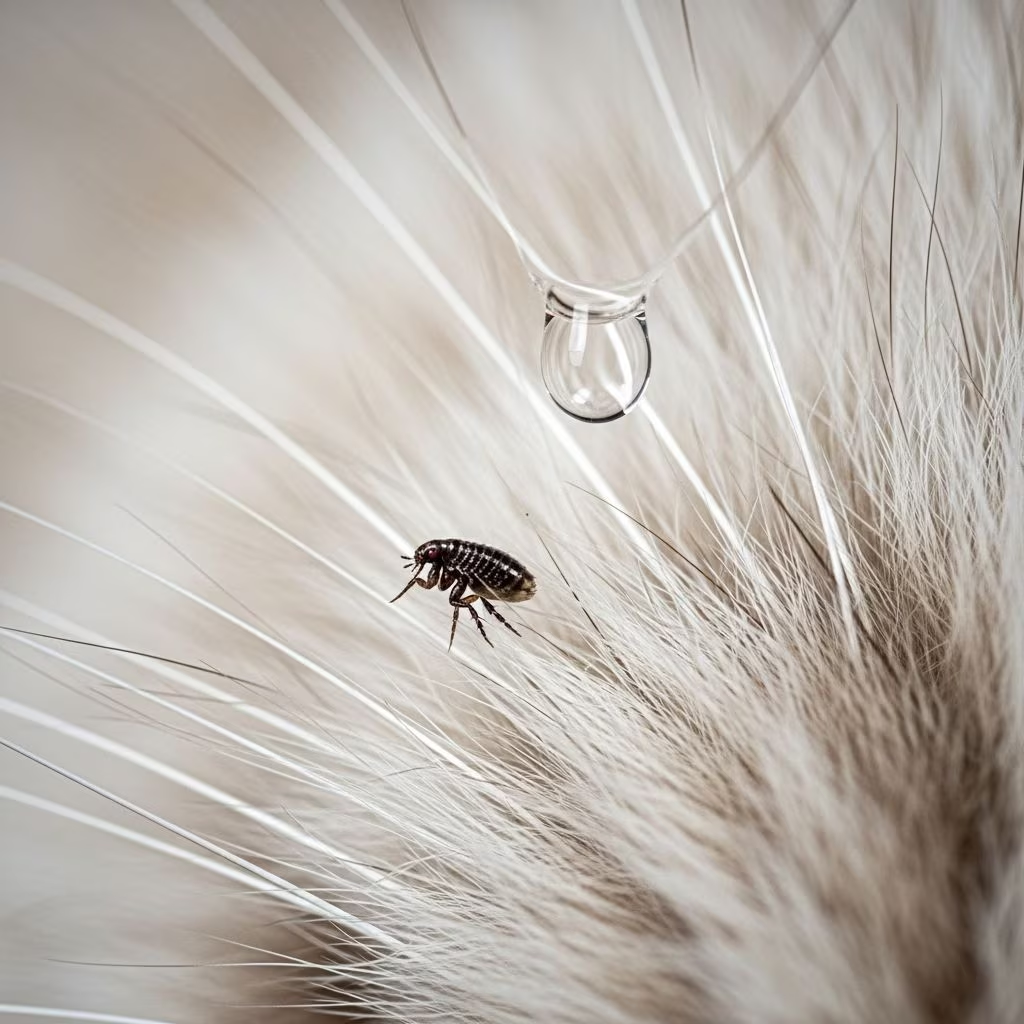
Fleas represent one of the most persistent parasites affecting cats, causing discomfort, itching, and potential health complications. Many pet owners wonder if common household substances like alcohol can provide a quick solution. While alcohol does kill fleas upon direct contact by dehydrating their exoskeletons, it is not a safe or practical option for treating cats directly due to risks of skin damage, toxicity, and lack of long-term efficacy.
Understanding Flea Infestations in Cats
Fleas complete their life cycle in four stages: egg, larva, pupa, and adult. Adult fleas, which make up only about 5% of the infestation, live on the host and feed on blood. The remaining 95% reside in the environment, such as carpets, bedding, and furniture. A single female flea can lay up to 50 eggs per day, leading to rapid reinfestation if all stages are not addressed. Cats scratch excessively, leading to hair loss, secondary infections, and in severe cases, flea allergy dermatitis or anemia, especially in kittens.
Symptoms include relentless itching, red skin, flea dirt (black specks that turn red when wet), and visible jumping insects. Early detection through regular combing with a flea comb is crucial. Dipping the comb in soapy water dislodges and drowns fleas without chemicals.
How Alcohol Interacts with Fleas
Isopropyl alcohol, commonly known as rubbing alcohol, acts as a desiccant. When applied, it penetrates the flea’s waxy exoskeleton, causing rapid dehydration and death within seconds. This mechanism is effective against adult fleas on non-living surfaces or in traps but fails against eggs, larvae, or pupae, which are resilient and hidden. Studies on insect physiology confirm alcohols disrupt cellular membranes in arthropods, but specific research on fleas is limited, relying mostly on anecdotal and observational evidence.
In lab settings, submerging fleas in alcohol solutions (70% concentration) results in near-100% mortality. However, evaporation occurs quickly, limiting the contact time needed for efficacy. This makes alcohol suitable only for spot treatments on combs or environmental cleaning, not direct pet application.
Risks of Applying Alcohol to Cats
Cats possess thin, sensitive skin and a grooming habit that leads to ingestion of topical substances. Alcohol applied to fur can cause immediate irritation, drying out the skin and leading to inflammation, rashes, or chemical burns. Sensitive areas like the belly or face exacerbate these effects.
- Skin Damage: Alcohol strips natural oils, causing dryness and potential open wounds that invite bacterial infections.
- Toxicity: Absorbed through skin or ingested via licking, alcohol metabolizes into toxic byproducts. Cats lack efficient enzymes to break it down, risking drunkenness, hypothermia, coma, or death even in small amounts.
- Flammability: High concentrations pose fire hazards near open flames or heating elements.
Veterinarians unanimously advise against it, noting cases of alcohol poisoning from misguided home remedies. Kittens, seniors, or cats with pre-existing conditions face heightened dangers.
Comparing Alcohol to Other Home Remedies
| Remedy | Kills Adults? | Safe for Cats? | Targets All Stages? | Long-Term Efficacy |
|---|---|---|---|---|
| Alcohol (Isopropyl) | Yes, on contact | No | No | Poor |
| Hydrogen Peroxide | Moderate | No, irritates skin | No | Poor |
| Soap & Water Bath | Yes, drowns | Yes, if mild soap | No | Temporary |
| Diatomaceous Earth (Food-Grade) | Yes, dehydrates | Yes, if applied carefully | Partial | Moderate |
| Vet Treatments | Yes | Yes | Yes, with IGRs | Excellent (1-3 months) |
Hydrogen peroxide offers limited flea-killing power and often causes discomfort, promoting self-trauma and infections. Unlike alcohol, safer mechanical methods like bathing provide immediate relief without toxicity.
Veterinarian-Recommended Flea Prevention Strategies
The cornerstone of flea control is integrated pest management (IPM), combining pet treatment, environmental sanitation, and prevention. Consult a vet for tailored plans based on your cat’s age, health, and lifestyle.
Topical Applications
Liquids like fipronil or selamectin are pipetted onto the skin at the base of the skull, spreading via oils to kill fleas within 24-48 hours. Effective for 30 days, they disrupt the flea nervous system. Alcohol-based formulations exist (e.g., Revolution), but concentrations are vet-regulated and safe. Waterproof and suitable for multi-pet homes.
Oral Medications
Nitenpyram or lufenuron chewables kill fleas upon biting, offering 1-3 months protection. They target adult fleas and break the life cycle by sterilizing females. Fast-acting (30 minutes) and palatable, ideal for bath-averse cats.
Flea Collars and Sprays
Slow-release collars with imidacloprid provide 8 months coverage. Environmental sprays with insect growth regulators (IGRs) like methoprene prevent larval development. Vacuum daily and wash bedding in hot water to remove 95% of environmental fleas.
Step-by-Step Flea Removal Plan
- Isolate and Comb: Use a fine-tooth flea comb daily, dipping in soapy water. Check ears, tail base, and armpits.
- Bathe Gently: Lukewarm water with dawn dish soap suffocates fleas. Rinse thoroughly; air dry.
- Treat Pet: Apply vet-prescribed topical/oral immediately.
- Clean Environment: Vacuum floors/carpets twice daily for 2 weeks. Steam clean upholstery. Use IGR sprays outdoors.
- Monitor: Recomb weekly; treat all household pets simultaneously.
This approach resolves 90-95% of infestations within 4 weeks when followed diligently.
Preventing Future Infestations
Year-round prevention is essential, even indoors, as fleas survive in cool, humid microclimates. Monthly preventives reduce risk by 99%. Lawn maintenance, pet door screens, and wildlife deterrents limit external sources. Track seasonal peaks (spring/summer) for heightened vigilance.
For multi-pet or feral cat-heavy areas, combine treatments with yard foggers approved for pets. Regular vet check-ups catch issues early.
FAQs on Flea Control for Cats
Is 70% rubbing alcohol safe to dab on flea bites?
No. Even diluted, it stings and risks absorption. Use vet salves instead.
How long do fleas live off a cat?
Up to 2 weeks without a host, but eggs hatch over months.
Can fleas make cats sick?
Yes: allergies, tapeworms, anemia. Severe in kittens.
What’s the fastest way to kill fleas on a cat?
Capstar oral kills adults in 30 minutes; follow with monthly preventive.
Do essential oils work better than alcohol?
No. Many are toxic (e.g., tea tree). Stick to vet products.
Environmental Flea Control Tactics
Focus 95% effort here: Wash all fabrics at 140°F. Freeze non-washables. Diatomaceous earth (DE) sprinkled on carpets kills by abrasion; vacuum after 48 hours. Beneficial nematodes eat larvae in soil. Avoid over-reliance on bombs; they miss cracks.
In humid climates, dehumidifiers reduce pupal emergence. Professional pest control uses hospital-grade IGRs for stubborn cases.
References
- Does Alcohol Kill Fleas on Cats? Vet-Reviewed Effectiveness — Catster. 2023. https://www.catster.com/cat-health-care/does-alcohol-kill-fleas-on-cats/
- Does Alcohol Kill Fleas? Best Solutions Against Fleas – FurLife — FurLife. 2025-06-16. https://getfurlife.com/blogs/news/does-alcohol-kill-fleas-veterinary-insights
- Does Alcohol Kill Fleas? — Healthline. 2023. https://www.healthline.com/health/does-alcohol-kill-fleas
- How to Get Rid of Fleas — Texas A&M AgriLife Extension Service (.edu). 2024. https://agrilifeextension.tamu.edu/library/insects/controlling-fleas/
- Flea Control for Cats — Cats Exclusive Veterinary Center. 2023. https://www.catsexclusive.com/educational-resources/flea-control



