

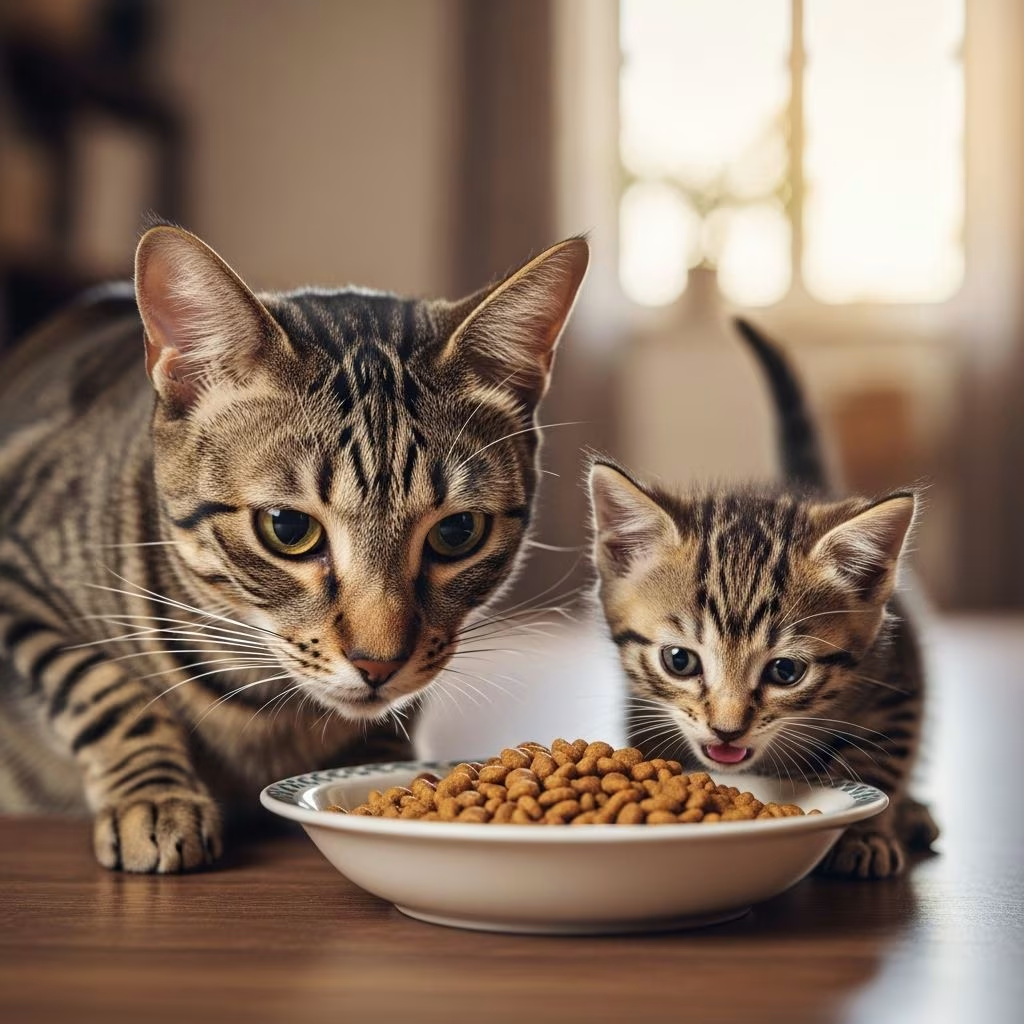
Adult cats can eat kitten food in moderation, but it’s generally not recommended for healthy adults due to its higher calorie, protein, and fat content, which can lead to obesity.Only specific cases like pregnant queens or underweight seniors benefit from this nutrient-dense diet.
Kitten food supports rapid growth with elevated levels of calories, fats, proteins, DHA for brain development, and optimal calcium-phosphorus ratios.Adult formulas prioritize maintenance, offering fewer calories to match lower energy needs. Feeding kitten food long-term to adults risks weight gain as excess calories convert to fat.
Nutritional Differences Between Kitten and Adult Cat Food
Kittens require diets tailored for explosive growth, high activity, and organ development. Their food boasts:
- Higher calories: To fuel constant play and metabolism.
- Elevated protein: AAFCO mandates at least 7.5g per 100 kcal for kittens vs. 6.5g for adults, aiding muscle and tissue building.
- Increased fats and fatty acids: Essential for energy, skin, coat, and growth; kittens need more due to activity levels.
- Boosted DHA (omega-3): Critical for vision and brain development.
- Optimal minerals: Higher calcium and phosphorus (ratio >1) for strong bones; adult food has less to avoid excess.
- Lower fiber/starch: Suits sensitive kitten digestion.
Adult cats, post-growth (typically 1 year, up to 2-3 for large breeds like Maine Coons), shift to maintenance. They burn fewer calories, play less, and risk obesity from kitten food’s density. Unused energy stores as fat, per feline nutrition guidelines.Protein needs drop, fats moderate, and formulas often include joint support or weight control absent in kitten kibble.
| Nutrient | Kitten Food | Adult Food |
|---|---|---|
| Calories | High (growth-focused) | Moderate (maintenance) |
| Protein (min per 100 kcal) | 7.5g (AAFCO) | 6.5g (AAFCO) |
| Fat/Fatty Acids | Higher (energy/development) | Balanced |
| DHA | Elevated (brain/vision) | Standard |
| Ca:P Ratio | >1 (bone growth) | Balanced (no excess) |
| Fiber/Starch | Low (fragile digestion) | Higher (digestion aid) |
This table highlights why mismatches harm health: kittens on adult food risk deficiencies (e.g., bowed legs from low phosphorus, fractures from calcium shortage, poor coat, low energy); adults on kitten food gain weight excessively.
Can Kitten Food Be Beneficial to Adult Cats?
While routine use is discouraged, kitten food offers targeted benefits in select scenarios:
- Pregnant or nursing queens: Need extra calories, proteins, fats for fetuses/milk production. Vets recommend kitten formulas here—no obesity risk due to high demands.
- Senior cats (11+ years): Often lose appetite/weight from diseases like hyperthyroidism or kidney issues. Kitten food’s calorie density means smaller portions meet needs without force-feeding, aiding recovery.
- Underweight or recovering cats: High palatability and nutrients rebuild mass quickly; monitor portions to prevent rebound obesity.
- Highly active adults: Rare, but working cats (e.g., barn hunters) may tolerate it short-term.
Healthy adults should stick to age-appropriate food. Long-term kitten feeding promotes obesity, diabetes, arthritis—common in overweight felines. Large breeds mature slower, but adults universally need maintenance diets post-growth.
Risks of Feeding Kitten Food to Adult Cats
The primary hazard is obesity: kitten food’s 20-50% higher calories exceed adult expenditure. A 5kg cat needs ~200-250 kcal/day; kitten kibble overshoots easily.
- Weight gain: Fat accumulation strains joints, heart, liver.
- Diabetes risk: Excess carbs/fats impair insulin sensitivity.
- Digestive upset: Sudden high-fat shifts cause diarrhea/vomiting.
- Nutrient imbalance: Too much calcium/phosphorus burdens kidneys in adults.
Conversely, kittens on adult food face stunted growth, weak bones, neurological issues, poor immunity. Transition at 90% adult weight (~10-12 months; 18-24 for Maine Coons).
How to Introduce Kitten Food to an Adult Cat
Abrupt switches shock digestion. Follow this 7-14 day plan:
- Days 1-3: 75% adult food + 25% kitten food.
- Days 4-7: 50% each.
- Days 8-10: 25% adult + 75% kitten.
- Day 11+: 100% kitten (if vet-approved).
Mix thoroughly; monitor stool, energy, weight. Hydrate well—wet kitten food preferred for moisture. Revert if issues arise. Always vet-consult first, especially for health conditions.
When to Switch from Kitten to Adult Food
Most kittens transition at 10-12 months (90% adult size). Large breeds wait until 18-24 months. Signs of readiness: full height, stable weight, reduced growth spurts. Gradual switch prevents refusal/picky eating.
Sterilized kittens? Continue kitten food to 12 months, then sterilized adult formula to curb obesity risk.
Frequently Asked Questions (FAQs)
Can adult cats eat kitten food occasionally?
Yes, as treats or toppers in small amounts. Avoid daily to prevent weight gain.
Is kitten food bad for senior cats?
No, it’s helpful for underweight seniors with poor appetite, providing dense nutrition in palatable form.
Can kittens eat adult cat food?
Temporarily yes, but not long-term—risks deficiencies in protein, calcium, DHA for growth.
How much kitten food can I give my adult cat?
Reduce portions by 20-30% vs. adult food; weigh weekly, aim for ideal body condition (visible waist, palpable ribs).
Is wet kitten food better than dry for adults?
Wet often preferred—all ages benefit from hydration; choose AAFCO-approved.
Conclusion
Adult cats can eat kitten food, but reserve it for pregnant/nursing or senior cats with weight loss. Healthy adults risk obesity from excess calories/fats. Match diet to life stage, transition gradually, and consult vets for personalized advice. Proper nutrition ensures longevity and vitality.
References
- Can Adult Cats Eat Kitten Food? Vet-Verified Facts & FAQ — Catster. 2023. https://www.catster.com/nutrition/can-adult-cats-eat-kitten-food/
- Nutrient Profiles for Cat Foods — Association of American Feed Control Officials (AAFCO). 2023. https://www.aafco.org/
- Switching from Kitten Food to Cat Food: When & How — Chewy Education. 2024. https://www.chewy.com/education/cat/food-and-nutrition/switch-kitten-food
- Feline Nutrition Guidelines — American Animal Hospital Association (AAHA). 2022. https://www.aaha.org/resources/2021-aaha-nutrition-and-weight-management-guidelines/
- Is Kitten Food Bad for Senior Cats? — Purina Institute. 2023. https://www.purina.com/articles/cat/senior-cat/health/is-kitten-food-bad-for-senior-cats



