

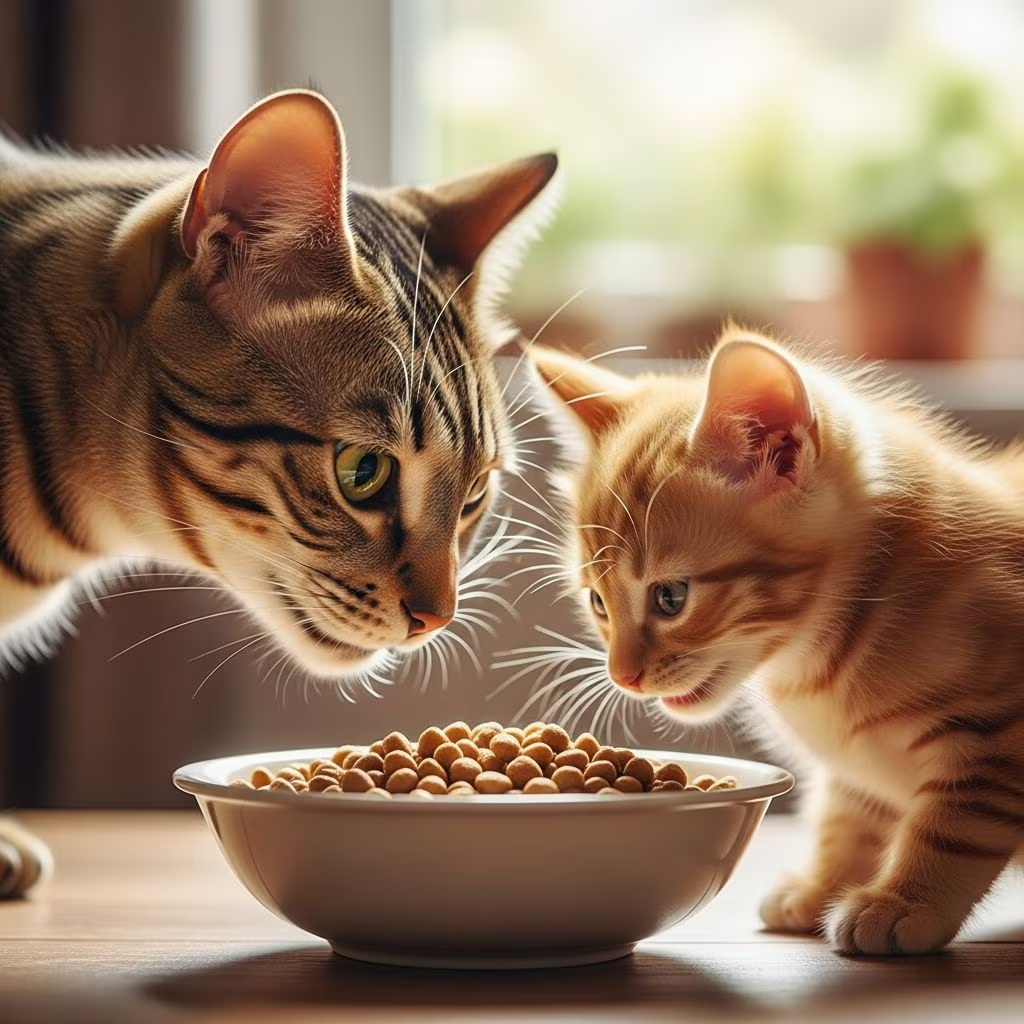
Adult cats can eat kitten food in small amounts or under specific circumstances, but it is not recommended as a regular diet due to its higher calorie, protein, and fat content, which can lead to obesity and nutritional imbalances in mature felines.
Quick Answer: Can Adult Cats Eat Kitten Food?
Yes, adult cats can technically eat kitten food without immediate harm, but it should only be offered occasionally as a treat or in targeted situations like pregnancy, nursing, or for underweight seniors with appetite issues. Kitten food is formulated for rapid growth with elevated levels of calories, proteins, fats, and nutrients like DHA for brain development, which exceed the maintenance needs of adult cats.
Feeding it regularly to healthy adults risks excessive weight gain since unused calories convert to fat, and adult cats are less active than growing kittens. Always prioritize age-appropriate adult cat food to support long-term health, and consult a veterinarian before any dietary changes.
Understanding Cat Nutritional Needs by Life Stage
Cats have evolving dietary requirements throughout their lives. Kittens from weaning to about 12 months (or longer for large breeds) need nutrient-dense food to fuel explosive growth, bone development, and organ maturation. Adult cats, typically from 1 year to 11 years, shift to maintenance formulas that prevent obesity while providing balanced nutrition for steady-state health.
Senior cats over 11 years may require even more tailored diets addressing joint health, kidney function, and reduced metabolism. Misaligning food with these stages can lead to deficiencies or excesses.
Kitten Food vs. Adult Cat Food: Key Nutritional Differences
Kitten food is calorie-dense to match high energy demands, often containing:
- Higher protein (around 10-12 grams per 100 kcal) for muscle and tissue growth
- Increased fats for energy and DHA for brain/eye development
- Elevated calcium and phosphorus for bone growth
- More vitamins and minerals in growth-supporting ratios
Adult food, by contrast, features:
- Lower calories (about 6.5 grams protein per 100 kcal) to maintain weight
- Balanced proteins and fats for upkeep, not growth
- Added joint-support like glucosamine
- Adjusted minerals to avoid urinary issues common in adults
| Nutrient | Kitten Food | Adult Food |
|---|---|---|
| Calories | High (growth energy) | Moderate (maintenance) |
| Protein | High (10-12g/100kcal) | Moderate (6.5g/100kcal) |
| Fat | High (with DHA) | Balanced |
| Calcium/Phosphorus | Elevated for bones | Lower to prevent issues |
This table highlights why kitten food isn’t ideal for adults: excess energy leads to fat storage.
Risks of Feeding Adult Cats Kitten Food Regularly
While not acutely toxic, consistent kitten food consumption poses several risks for adult cats:
- Obesity: Higher caloric density promotes weight gain, as adults burn fewer calories. Obesity links to diabetes, arthritis, and heart disease.
- Nutritional Imbalance: Excess protein/fat strains kidneys; imbalanced minerals may worsen urinary tract problems.
- Organ Stress: High phosphorus/calcium suits growth but burdens adult kidneys.
- Deficiencies: Lacks senior-specific additives like joint support.
Studies from veterinary nutrition emphasize matching diets to life stages to avert these issues.
When Is It Okay (or Beneficial) for Adult Cats to Eat Kitten Food?
Certain scenarios justify kitten food for adults:
- Pregnant or Nursing Queens: Need extra calories, protein, and fats for milk production and fetal growth—kitten food is often recommended.
- Underweight Seniors: Appetite loss in older cats (common post-11 years) can cause dangerous weight loss. Kitten food’s density allows fewer meals to meet caloric needs without force-feeding.
- Transition Periods: In multi-cat homes with kittens, adults may share temporarily, but monitor portions and switch back promptly.
- Occasional Treats: Small amounts for training or variety are safe and enriching.
These exceptions underscore veterinary guidance: tailor diets individually.
How to Safely Transition Your Cat Between Foods
Abrupt switches cause digestive upset. Follow this 7-10 day plan:
- Days 1-2: 75% old food, 25% new.
- Days 3-4: 50% each.
- Days 5-6: 25% old, 75% new.
- Days 7+: 100% new, monitor stool and behavior.
Portion control is critical—overfeeding kitten food exacerbates risks. Weigh your cat monthly and adjust based on body condition score.
Signs Your Cat Needs a Diet Change
Watch for:
- Weight gain/loss
- Lethargy or hyperactivity
- Coat issues (dull, greasy fur)
- Digestive problems (diarrhea, vomiting)
- Urinary symptoms (straining, blood)
Annual vet checkups catch issues early. Bloodwork assesses kidney/liver function.
Choosing the Best Food for Your Adult Cat
Opt for AAFCO-labeled ‘complete and balanced’ adult formulas. Prioritize:
- High-quality animal proteins
- Low carbs, moderate fats
- Species-appropriate moisture (wet food aids hydration)
- Breed/lifestyle specifics (e.g., indoor, sterilized)
Avoid grain-heavy or filler-laden options. Wet vs. dry: wet supports urinary health.
Frequently Asked Questions (FAQs)
Is it okay to mix kitten and adult food?
Short-term mixing during transitions is fine if portions are controlled, but avoid long-term to prevent imbalances. Separate feeding in multi-cat homes helps.
Can kittens eat adult cat food?
Occasionally yes, but not regularly—adults lack growth nutrients, risking stunted development, weak bones, or deficiencies.
How long should kittens eat kitten food?
Until 90% adult weight: 10-12 months for most, 18-24 for large breeds like Maine Coons.
Will kitten food help my overweight adult cat lose weight?
No—it’s higher calorie, worsening obesity. Use senior/weight-control adult formulas instead.
What if my adult cat refuses adult food?
Consult a vet for appetite stimulants or medical checks. Gradually mix flavors; kitten food temporarily only if underweight.
Conclusion
Adult cats can eat kitten food sparingly, but healthy ones thrive on maintenance diets to avoid obesity and imbalances. Reserve kitten food for pregnancies, nursing, or picky seniors, always vet-approved. Proper nutrition ensures your cat’s vitality—monitor weight, transition slowly, and prioritize quality.
References
- Can I feed my adult cat kitten food? — Tippaws. 2023. https://www.tippaws.com/blogs/news/can-i-feed-my-adult-cat-kitten-food
- Can Adult Cats Eat Kitten Food? Vet-Verified Facts & FAQ — Catster. 2024-01-15. https://www.catster.com/nutrition/can-adult-cats-eat-kitten-food/
- Feeding adult kibble to a kitten: safe? — Ziggy Family. 2023. https://ziggyfamily.com/en/blogs/cats/feeding-adult-kibble-to-a-kitten-danger-or-safety
- Feeding Kitten Food to an Adult Cat — Hare Today. 2022. https://hare-today.com/feline-nutrition/nutrition/feeding-kitten-food-to-an-adult-cat
- Switching from Kitten Food to Cat Food — Chewy. 2024. https://www.chewy.com/education/cat/food-and-nutrition/switch-kitten-food
- Is Kitten Food Bad for Senior Cats? — Purina US. 2023. https://www.purina.com/articles/cat/senior-cat/health/is-kitten-food-bad-for-senior-cats



