

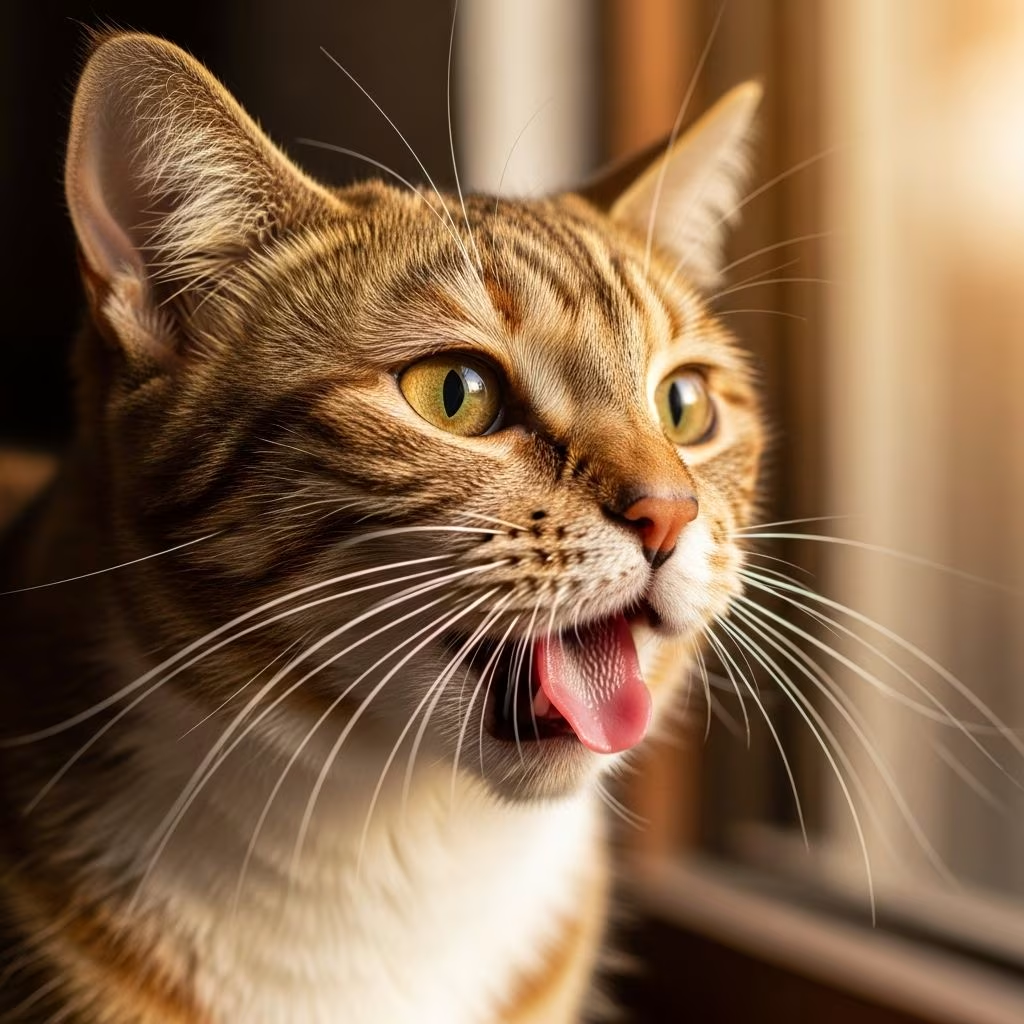
Cats can indeed overheat, leading to heat exhaustion or the more severe heatstroke, which can be life-threatening if not addressed promptly. Understanding the signs, causes, and proper responses is essential for every cat owner, especially during warm weather.
What Is Overheating in Cats?
Overheating, or **hyperthermia**, occurs when a cat’s body temperature rises above the normal range of 100.5–102.5°F (38.1–39.2°C). Unlike humans, cats do not sweat efficiently; they primarily cool themselves through panting, grooming, and seeking shade. When environmental conditions overwhelm these mechanisms, their core temperature can spike dangerously past 105°F, triggering heatstroke.
Heat exhaustion represents the early, milder stage where the cat shows fatigue and rapid breathing but hasn’t reached critical levels. Progression to heatstroke involves organ damage risks, including brain swelling, kidney failure, and clotting disorders. Veterinary sources emphasize that early intervention during heat exhaustion can prevent escalation.
Signs of Overheating in Cats
Recognizing **heat exhaustion symptoms in cats** early is crucial. Common indicators include:
- Panting or rapid, open-mouth breathing: Cats rarely pant normally; this signals distress.
- Lethargy or weakness: Unusual tiredness or reluctance to move.
- Drooling or excessive salivation: Often accompanied by a bright red tongue.
- Restlessness or staggering: Difficulty standing or walking straight.
- Hot, red gums or pale gums: Indicates poor circulation or inflammation.
- Increased heart rate: Feel for a rapid pulse under the chest.
- Vomiting or diarrhea: Gastrointestinal upset from heat stress.
- Collapse or seizures: Advanced heatstroke signs requiring immediate action.
These symptoms can appear suddenly, especially in enclosed hot spaces. Owners should check paw pads and ears, which feel excessively warm to the touch.
Causes and Risk Factors for Cat Overheating
Several environmental and physiological factors contribute to cats overheating:
- High temperatures and humidity: Above 85°F with humidity impairs evaporation cooling.
- Hot cars: Even cracked windows allow interiors to reach lethal levels in minutes.
- Direct sunlight or poor ventilation: Trapped in garages, attics, or screened porches amplifies heat.
- Over-exercise in heat: Play sessions during peak hours push limits.
- Lack of water: Dehydration hinders temperature regulation.
Certain cats face higher risks:
| Risk Group | Why Vulnerable |
|---|---|
| Brachycephalic breeds (e.g., Persians) | Flat faces restrict airflow for panting. |
| Senior cats | Reduced thermoregulation ability. |
| Obese cats | Insulation from fat hinders cooling. |
| Kittens or cats with health issues | Immature or compromised systems. |
High humidity exacerbates issues even at moderate temperatures by blocking sweat evaporation from paw pads.
What to Do If Your Cat Is Overheating
Act immediately but avoid common errors like ice baths, which cause shock by constricting blood vessels. Follow these steps:
- Move to a cool area: Air-conditioned room or shaded spot with fans.
- Apply room-temperature water: Dampen paw pads, belly, and inner thighs—areas with surface blood vessels.
- Use damp towels: Cool (not cold) towels over the body, refresh every few minutes.
- Offer water: Encourage small sips; add ice cubes for appeal but don’t force.
- Monitor temperature: Use a rectal thermometer if possible; aim below 103°F before stopping cooling.
- Seek vet care: Even if symptoms improve, professional assessment checks for hidden damage like organ stress.
For mild heat exhaustion, home care may suffice, but heatstroke demands emergency IV fluids, oxygen, and monitoring.
Preventing Overheating in Cats
Prevention is far superior to treatment. Implement these strategies year-round, intensifying in summer:
- Constant fresh water: Multiple bowls, fountains, or ice-enhanced options indoors and out.
- Cooling stations: Ceramic tiles, cooling mats, or AC zones for retreat.
- Schedule wisely: Play, grooming, and outdoor time in early morning or evening.
- Never leave in cars: Absolute rule, regardless of duration.
- Improve airflow: Fans, open screened windows, avoid stuffy rooms.
- Monitor high-risk cats: Extra checks for seniors, obese, or flat-faced breeds.
Daily welfare checks ensure cats aren’t trapped in hot spots like closets or garages.
When to See a Vet for Overheating
Contact a veterinarian if symptoms persist beyond 30 minutes of cooling, include collapse, seizures, or bloody diarrhea, or if your cat belongs to a high-risk group. Post-recovery exams detect issues like kidney damage. Delaying can lead to permanent harm or fatality.
Frequently Asked Questions (FAQs)
Can cats overheat indoors?
Yes, poor ventilation, high humidity, or sunny rooms without AC can cause overheating even indoors.
How hot is too hot for cats?
Temperatures above 85°F, especially with humidity, pose risks; anything over 100°F ambient is dangerous.
Can I use ice to cool an overheated cat?
No—ice shocks the system. Use room-temperature water on key areas instead.
Are certain breeds more prone to heatstroke?
Yes, brachycephalic breeds like Persians, along with obese or senior cats, are highly susceptible.
How can I prevent cat overheating in summer?
Provide shaded cool areas, unlimited water, avoid peak heat activities, and never leave in cars.
Long-Term Care for Hot Climates
In perpetually warm regions, invest in battery-powered fans, elevated beds for airflow, and weight management plans. Regular vet check-ups assess thermoregulation health. Grooming removes excess fur safely, avoiding close shaves that impair insulation.
Educating multi-pet households prevents resource competition, ensuring all cats access water and shade. Community awareness reduces stray cat risks during heatwaves.
References
- Heatstroke in Cats: Signs, Treatment, and Prevention — UrgentVet. 2024. https://urgentvet.com/heatstroke-in-cats-signs-treatment-prevention/
- Is Your Cat Overheating? 11 Signs of Heat Exhaustion in Cats — The Refined Feline. 2023. https://www.therefinedfeline.com/is-your-cat-overheating-11signs-of-heat-exhaustion-in-cats/
- Cat Heatstroke: Signs to Watch for and Tips to Protect Your Pet — Country Club Animal Hospital. 2024. https://ccahweb.com/veterinary-blog/cat-heatstroke/
- Understanding Cat Heat Stroke and How to Prevent It — Mountain View Animal Veterinary. 2023. https://mvavets.com/blog/cat-heat-stroke/
- Is Your Cat Overheating? — Chewy Education. 2024. https://www.chewy.com/education/cat/health-and-wellness/is-your-cat-overheating



