

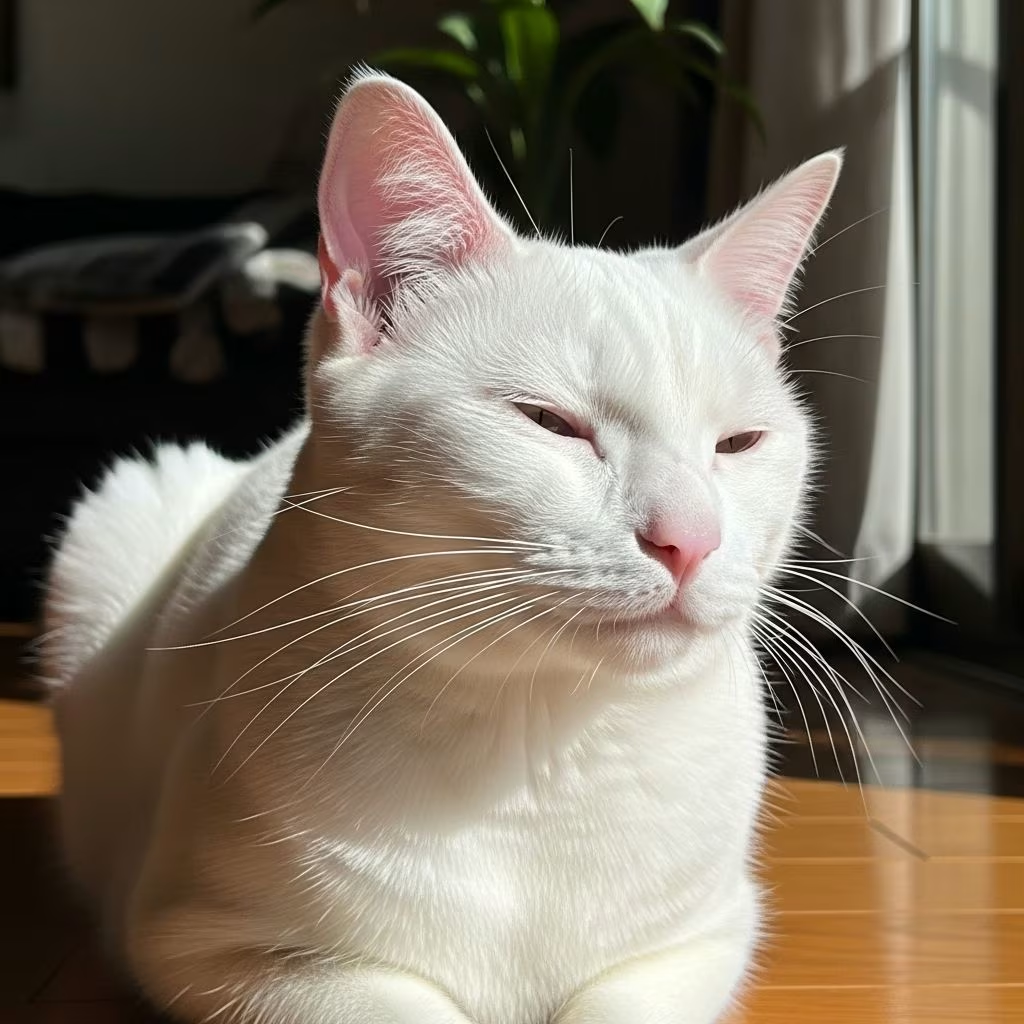
Yes, cats can absolutely get sunburned, just like humans and other animals. Feline sunburn occurs due to overexposure to ultraviolet (UV) radiation from the sun, damaging their sensitive skin cells and causing inflammation, redness, and potential long-term health issues. While cats’ fur offers some protection, areas with thin fur, light pigmentation, or shaved spots remain vulnerable. Light-colored cats, especially those with white ears or noses, face higher risks. Understanding this condition is crucial for cat owners, as untreated sunburn can progress to chronic solar dermatitis or even squamous cell carcinoma, a type of skin cancer.
What Does Sunburn Look Like on Cats?
Sunburn in cats manifests differently than in humans due to their fur coverage, but visible signs appear on exposed areas. Initially, it presents as pink or reddened skin, often hot to the touch. As it worsens, the skin may become crusty, scaly, blistered, or develop seeping wounds. Cats might excessively groom, paw, or scratch the affected spots, indicating tenderness and discomfort.
Common locations include the ears (especially tips and margins), nose, eyelids, abdomen, groin, and paw pads. In light-skinned cats, these areas lack sufficient melanin for UV protection, making them prime targets. Hair loss around the edges, swelling, or flaky peeling skin are additional indicators. Severe cases show ulceration or whitish, nerve-damaged tissue in third-degree burns.
- Early signs: Redness, warmth, mild inflammation.
- Moderate signs: Scaliness, crusting, excessive licking/scratching.
- Severe signs: Blisters, swelling, open wounds, lethargy.
Which Cats Are Most at Risk for Sunburn?
Not all cats are equally susceptible. Those with white or pale fur, particularly on the ears, nose, and belly, are most vulnerable because they have less protective pigment (melanin). Breeds like white Sphynx, Devon Rex, or any cat with light-colored ears face elevated risks. Indoor cats aren’t safe either—windows allow up to 50-70% of UVA rays to pass through, so sunbathing on sills can cause burns.
Other risk factors include:
- Hairless or sparsely furred breeds (e.g., Sphynx).
- Cats with recent surgery or shaved areas.
- Those with existing skin conditions like allergies or hot spots.
- Outdoor cats in sunny climates during peak hours (10 AM-4 PM).
Even cloudy days pose dangers, as UV rays penetrate clouds. Prolonged exposure compounds risks, potentially leading to heatstroke alongside sunburn due to cats’ limited sweating ability.
Symptoms of Sunburn in Cats
Recognizing symptoms early prevents complications. Cats may not vocalize pain, so observe behavior and skin changes closely. Key symptoms include:
| Symptom | Description | Severity Level |
|---|---|---|
| Reddened skin | Pink flush on ears, nose, belly; hot to touch | Mild |
| Scaly or crusty skin | Flaking, peeling, hair loss at edges | Moderate |
| Blisters/swelling | Bubbles, puffiness in multiple areas; eyes, paws affected | Severe |
| Behavioral changes | Excessive grooming, head shaking, lethargy, fever | All levels |
| Pain/discomfort | Sensitivity to touch, reluctance to move | Moderate-Severe |
Swollen eyes or stomach signal urgency. If your cat stops eating, vomits, or shows dehydration, seek vet care immediately.
Solar Dermatitis and Skin Cancer Risks
Repeated sunburns lead to solar dermatitis, a precancerous condition causing thickened, scaly skin, especially on ears. Early stages show pink, scaly patches with hair loss; progression brings crusting, ulceration, and itching, prompting head shaking or scratching that invites infection.
In chronic cases, this evolves into squamous cell carcinoma (SCC), a malignant tumor appearing as non-healing, scabbed wounds. White-eared cats are predisposed, with ears most affected, though nose and eyelids can be involved. Early intervention is vital—SCC can metastasize if untreated.
- Solar dermatitis: Chronic UV damage, itchy and ulcerated.
- SCC risk: Higher in non-pigmented skin; surgical removal often needed.
- Prevention key: Limit exposure to halt progression.
Treatment for Sunburn in Cats
Mild sunburns (first-degree) often heal in days with home care, but consult a vet first. Avoid human products—many are toxic.
Home Remedies for Mild Cases
- Cool compress: Apply damp cloth 5-15 minutes, several times daily to reduce inflammation.
- Cat-safe aloe vera: Pure gel soothes; ensure no additives.
- Honey-based cream: Natural antibacterial for minor wounds.
- Keep clean/dry: Prevent licking; use cone if needed.
For moderate-severe cases, vets prescribe pain relief, anti-inflammatories, antibiotics, or wound dressings. Hospitalization with fluids may be required for dehydration or infection. Never use rubbing alcohol, essential oils, or OTC human ointments.
When to See a Vet
Seek immediate care if:
- Blisters in multiple areas.
- Lethargy, fever, vomiting, or no appetite.
- Burn doesn’t improve in 2-3 days.
- Suspected solar dermatitis or tumor.
Vets assess via exam; biopsies confirm cancer.
How to Prevent Sunburn in Cats
Prevention is straightforward and effective:
- Limit exposure: Keep indoors 10 AM-4 PM; provide shade outdoors.
- Window protection: UV-blocking films or blinds for indoor sunbathers.
- Pet-safe sunscreen: Apply to ears/nose (vet-approved); reapply often as cats lick it off.
- Supervise outdoors: Shaded spots, avoid peak sun.
- Routine checks: Monitor light-skinned cats’ ears/nose regularly.
For high-risk cats, consider hats or clothing, though practicality varies.
Frequently Asked Questions (FAQs)
Can indoor cats get sunburn?
Yes, windows transmit UV rays, so sill-lounging cats can burn.
Is cat sunburn an emergency?
Rarely, but multiple blisters, lethargy, or fever require urgent vet care.
Does fur protect cats from sunburn?
Partially, but thin/light fur areas remain vulnerable.
Can sunburn lead to cancer in cats?
Yes, chronic cases cause solar dermatitis and squamous cell carcinoma.
What sunscreen is safe for cats?
Only vet-recommended pet formulas; avoid human products.
Conclusion: Protect Your Cat from UV Damage
Sunburn is preventable and treatable, but vigilance saves lives. Light-colored cats need extra care to avoid progression to serious conditions. Regular vet check-ups and smart habits ensure sunny days stay safe.
References
- Can Cats Get Sunburn? Risks, Signs and Support — Hill’s Pet US. 2023-05-15. https://www.hillspet.com/cat-care/behavior-appearance/can-cats-get-sunburn
- Can Cats Get a Sunburn? — PetMD. 2024-06-10. https://www.petmd.com/cat/conditions/skin/can-cats-get-sunburn
- Sunburn in Cats – Signs, Causes & Natural Soothing Tips — Doderm. 2023-08-20. https://doderm.eu/en-int/blogs/wissen/sonnenbrand-bei-katzen
- Solar Dermatitis in Cats — VCA Animal Hospitals. 2024-02-28. https://vcahospitals.com/know-your-pet/solar-dermatitis-in-cats
- Can Cats Get Sunburned? — Companion Animal Hospital of Wakefield. 2023-11-12. https://wakefieldpetvet.com/blog/can-cats-get-sunburn/
- Sunburn in pets — PDSA. 2024-07-05. https://www.pdsa.org.uk/pet-help-and-advice/pet-health-hub/conditions/sunburn-in-pets



