

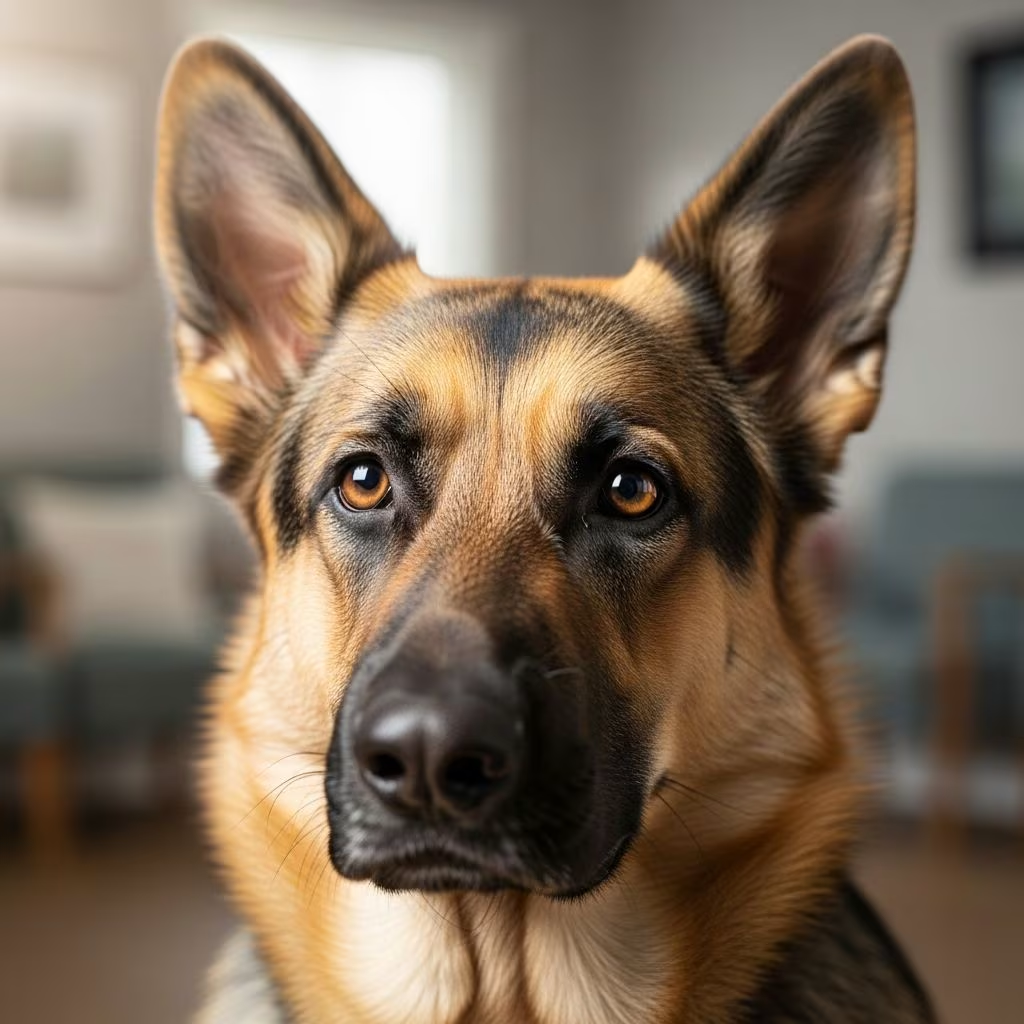
Understanding Campylobacter Infection in Dogs
Campylobacter infection, also known as campylobacteriosis, is a bacterial gastrointestinal condition affecting dogs worldwide. This infection is caused by Campylobacter bacteria, which are commonly found in the intestines of various animals. The infection is primarily transmitted through ingestion of contaminated water, meat, or fecal material. While campylobacteriosis is relatively common in dogs, the development of clinical symptoms is less frequent, and most infected dogs recover without requiring medical intervention. However, understanding this condition is crucial for pet owners, as it poses a potential zoonotic risk—meaning it can be transmitted from dogs to humans. Early recognition and appropriate management are essential to prevent complications and reduce the risk of human exposure.
Clinical Signs and Symptoms
Dogs infected with Campylobacter bacteria display a variety of clinical signs that can range from mild to severe. The primary symptom associated with campylobacteriosis is diarrhea, which may present as watery or mucoid in consistency. In some cases, the diarrhea contains blood or mucus, indicating a more severe infection. Additional clinical manifestations include:
- Straining during defecation (tenesmus)
- Abdominal cramping or pain
- Lethargy and general malaise
- Fever
- Loss of appetite (anorexia)
- Vomiting in some cases
- Enlarged lymph nodes
The diarrhea may persist for a week or longer and often exhibits a characteristic pattern of relapsing, where the dog appears to recover only to experience a sudden recurrence of symptoms. Importantly, many dogs carry Campylobacter bacteria in their intestinal tract without displaying any clinical signs whatsoever. These asymptomatic carriers remain a significant concern from a public health perspective, as they can shed the bacteria through their feces without showing obvious illness.
Diagnosis and Laboratory Testing
Diagnosing campylobacteriosis presents unique challenges for veterinarians due to the similarity of symptoms to other gastrointestinal conditions. A definitive diagnosis requires specific laboratory testing methods. The diagnostic approach typically includes:
Primary Diagnostic Methods
Fecal Culture: This remains the gold standard for diagnosing Campylobacter infection. A fecal sample is cultured in the laboratory, and after approximately 48 hours, veterinarians examine the culture for specific bacterial growth and presence of leukocytes (white blood cells) in the stool.
PCR Testing: DNA-based polymerase chain reaction (PCR) testing of fecal samples can detect Campylobacter bacteria with high sensitivity and specificity, offering faster results than traditional culture methods.
Microscopic Examination: Direct microscopic examination of fecal samples may reveal characteristic bacterial morphology, though this method is less reliable for definitive diagnosis.
Supporting Diagnostic Tests
Veterinarians may also recommend blood tests, urinalysis, and physical examination findings to rule out other conditions and assess the overall health status of the infected dog. It is important to note that the presence of Campylobacter in fecal samples does not necessarily confirm that the bacteria is the cause of diarrhea, as healthy dogs can carry the organism asymptomatically. Therefore, fecal culture and sensitivity testing is especially important in cases of chronic, persistent, or severe diarrhea that has not responded to conventional treatments.
Treatment Approaches
The treatment strategy for campylobacteriosis depends on the severity of the infection and the clinical status of the affected dog. Since many infections are mild and self-limiting, treatment decisions must be carefully considered.
Mild Cases
In mild cases of campylobacteriosis, outpatient treatment is generally recommended, and many dogs recover without requiring antibiotic therapy. Most infected animals exhibit self-limiting disease, meaning symptoms resolve naturally without medical intervention. Supportive care measures focus on maintaining hydration and nutritional support during the recovery period.
Severe Cases
Dogs with severe campylobacteriosis require close monitoring to prevent complications and may necessitate hospitalization. In these cases, comprehensive treatment protocols may include:
- Antibiotic Therapy: When warranted, erythromycin (10-20 mg/kg every 8 hours for 5 days) has been reported as the treatment of choice, with tylosin (25 mg/kg every 12 hours for 7 days) serving as an effective alternative. Treatment selection should be based on fecal culture and sensitivity results.
- Fluid Therapy: Oral fluid replacement or intravenous (IV) fluid therapy is critical to address dehydration caused by diarrhea and fluid-electrolyte loss.
- Antiemetic Medications: Anti-nausea medications may be prescribed to manage vomiting if present.
- Pain Management: Pain medications may be administered based on the dog’s condition and comfort level.
- Dietary Modifications: Highly digestible food provided in small, frequent meals aids digestion and allows the gastrointestinal tract to rest and recover.
- Plasma Transfusion: In severe cases with significant fluid loss, plasma transfusion may be considered.
It is important to note that antibiotic resistance has been documented among various Campylobacter species. Some strains are resistant to commonly used antimicrobials such as enrofloxacin and metronidazole, which may induce drug resistance. Therefore, antibiotic therapy should only be administered when clinically justified and guided by culture and sensitivity results.
Supportive Care and Management
Beyond pharmaceutical interventions, comprehensive supportive care is fundamental to successful recovery from campylobacteriosis. Maintaining proper hydration is paramount, as fluid and electrolyte loss due to diarrhea can be severe and potentially life-threatening. Pet owners should ensure their infected dog has constant access to fresh water and may consider adding water to food or feeding canned food to increase fluid intake.
Probiotics containing beneficial bacteria may be recommended by veterinarians to help restore normal bacterial balance to the gastrointestinal tract. These supplements can aid recovery and reduce the likelihood of relapse. Additionally, owners should maintain close follow-up with their veterinarian to monitor recovery progress and ensure that the bacterial infection has been completely eliminated.
During the treatment period, isolation of the infected dog is recommended to prevent transmission of bacteria to other animals and household members. Proper hygiene practices, including thorough handwashing after contact with the infected animal and regular disinfection of food and water bowls, are essential preventive measures.
Prognosis and Recovery
The prognosis for dogs diagnosed with campylobacteriosis is generally good. Most dogs recover completely with or without medical treatment, particularly when cases are mild and self-limiting. Even in cases requiring antibiotic therapy, appropriate management typically results in full recovery. However, the prognosis can vary based on factors such as the dog’s age, overall health status, severity of infection, and whether complications develop.
Chronic or recurrent diarrhea may occasionally develop in some cases, requiring more intensive treatment approaches. Early veterinary intervention and accurate diagnosis significantly improve outcomes by allowing for timely implementation of appropriate treatment strategies.
Prevention Strategies
Preventing campylobacteriosis requires attention to hygiene and sanitation practices. Pet owners can reduce the risk of infection through several preventive measures:
- Environmental Hygiene: Regular cleaning and disinfection of the dog’s living areas, food bowls, and water dishes are essential.
- Water Quality: Providing clean, fresh water and avoiding exposure to potentially contaminated water sources reduces transmission risk.
- Food Safety: Feeding commercially prepared dog food reduces exposure to contaminated raw meat. Raw or undercooked meat should be avoided.
- Fecal Management: Promptly removing feces from the dog’s living environment prevents contamination and reduces transmission opportunities.
- Handwashing: Practicing good personal hygiene, particularly after handling the dog or cleaning contaminated areas, is crucial for preventing zoonotic transmission.
- Puppy Screening: Campylobacter infection should be considered in recently acquired puppies presenting with diarrhea, allowing for early intervention.
Zoonotic Transmission and Human Health Considerations
While not immediately life-threatening to dogs, campylobacteriosis carries significant public health implications. Campylobacter is among the most common causes of bacterial gastroenteritis in humans, and transmission from dogs to humans is possible, particularly in households with infected animals. Close contact with infected dogs increases the risk of human infection.
In humans, campylobacteriosis typically manifests 2-5 days after exposure with symptoms including diarrhea (sometimes bloody), abdominal cramping, fever, nausea, and vomiting. While most human infections are self-limited and resolve within 5-7 days without treatment, severe cases may require hospitalization. Rare long-term complications in humans can include arthritis or Guillain-Barré syndrome, a serious autoimmune disease that may lead to paralysis.
For this reason, diagnosis and treatment of symptomatic pets may be appropriate in households to reduce the risk of human infection, even when the dog’s condition might otherwise resolve without medical intervention. People living or working in close contact with dogs should be aware of the zoonotic risk and implement appropriate preventive measures.
Frequently Asked Questions
Q: Is campylobacteriosis a medical emergency in dogs?
A: Campylobacteriosis is typically not a medical emergency, as most infected dogs do not show symptoms and recover without medical treatment. However, medical attention is recommended to confirm diagnosis and prevent potential transmission to humans.
Q: Can dogs recover from campylobacteriosis without antibiotics?
A: Yes, the majority of dogs with campylobacteriosis recover without antibiotic therapy, as the condition is often self-limiting. Antibiotics are typically reserved for severely ill dogs or situations where human exposure is a concern.
Q: How long does diarrhea persist in dogs with campylobacteriosis?
A: Diarrhea may last a week or longer and often relapses suddenly after the dog appears to have recovered.
Q: What diagnostic test definitively confirms campylobacteriosis?
A: Fecal culture combined with sensitivity testing provides the definitive diagnosis, though PCR testing of fecal samples offers faster results with high accuracy.
Q: Can healthy dogs carry Campylobacter bacteria without showing symptoms?
A: Yes, many healthy dogs carry Campylobacter bacteria in their intestines without displaying any clinical signs, though they can still shed the bacteria through their feces.
Q: Is there antibiotic resistance in Campylobacter infections?
A: Yes, antibiotic resistance has been documented among various Campylobacter species, so antibiotic selection should be guided by culture and sensitivity testing results.
Q: What is the best way to prevent campylobacteriosis in dogs?
A: Prevention includes maintaining proper hygiene, providing clean water and food, practicing good handwashing, and promptly removing fecal matter from the dog’s environment.
References
- Bacterial Infection (Campylobacteriosis) in Dogs — Vetster. 2024. https://vetster.com/en/conditions/dog/bacterial-infection
- Bacterial Infection (Campylobacteriosis) in Dogs — PetMD. 2024. https://www.petmd.com/dog/conditions/digestive/c_multi_campylobacteriosis
- Campylobacter Infection in Dogs — VCA Animal Hospitals. 2024. https://vcahospitals.com/know-your-pet/campylobacter-infection-in-dogs
- Zoonotic Prevention: Campylobacteriosis — Pet Advocacy Network. 2022. https://petadvocacy.org/
- Fecal PCR Test for Campylobacter spp.: Clinical Picture, Diagnosis, and Treatment — Texas A&M University, Gastrointestinal Laboratory. 2024. https://vetmed.tamu.edu/gilab/service/assays/campylobacter/
- Campylobacteriosis in Dogs and Cats: A Review — PubMed Central. 2018. https://pubmed.ncbi.nlm.nih.gov/29756542/



