
Campylobacter in Poultry: Infection Insights
Explore the hidden threats of Campylobacter in birds, from silent colonization to public health risks and cutting-edge control measures.
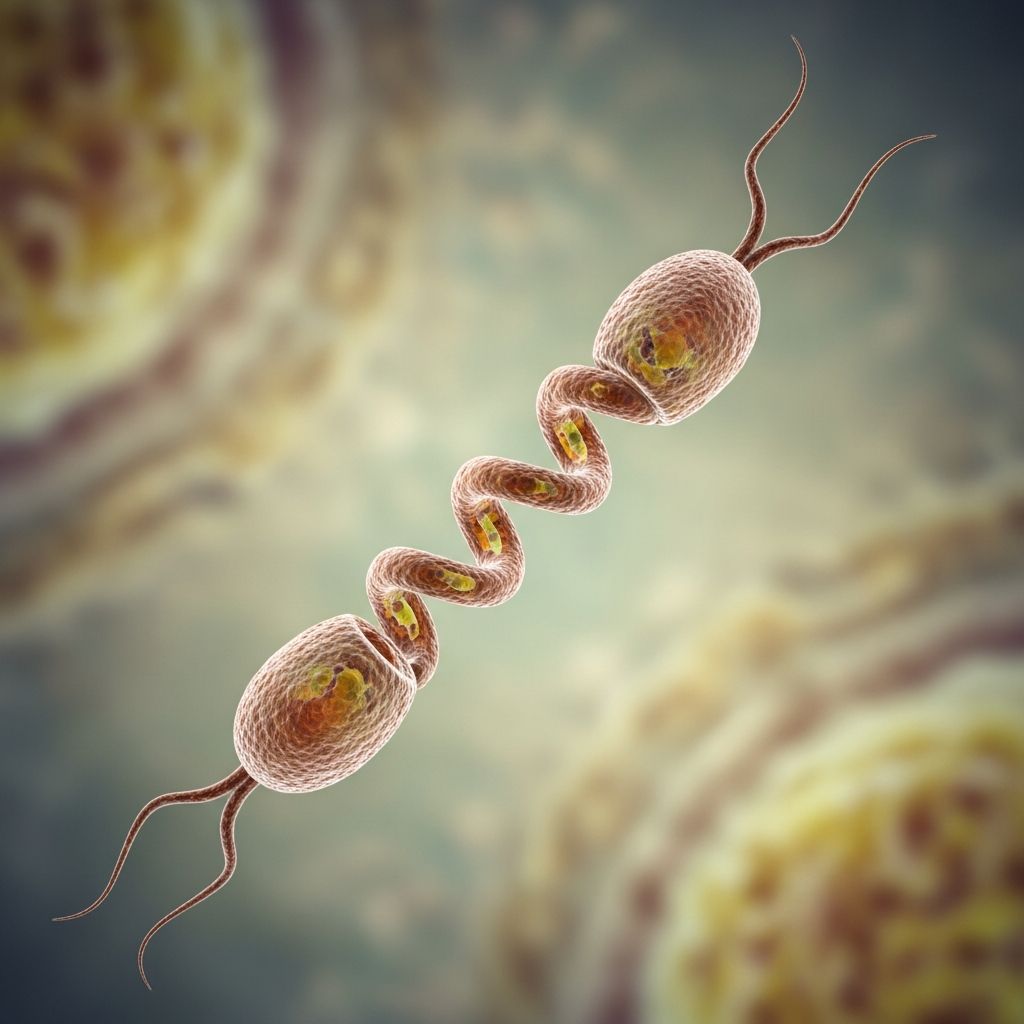
Campylobacter bacteria represent a subtle yet pervasive challenge in poultry production, often colonizing birds without obvious symptoms while posing significant risks to human consumers through contaminated meat. These microorganisms thrive in avian intestines, leading to widespread flock infections that demand vigilant management.
The Nature of Campylobacter Pathogens
At the core of poultry-related concerns are species like Campylobacter jejuni and Campylobacter coli, which establish residence in the bird’s gut, particularly the ceca. These gram-negative, spiral-shaped bacteria are microaerophilic, favoring low-oxygen environments typical of intestinal tracts. While most strains cause no overt illness in mature birds, certain variants like Campylobacter hepaticus and Campylobacter bilis target the liver, triggering conditions such as spotty liver disease in laying hens.
These pathogens exhibit remarkable adaptability, surviving acidic stomachs and bile exposure to reach their preferred niches. Once settled, they multiply rapidly, shedding into feces and perpetuating flock-wide spread. Their resilience extends to processing environments, where they contaminate carcasses if hygiene lapses occur.
Transmission Pathways in Flocks
Campylobacter enters poultry operations primarily through environmental routes. Fecal matter from infected birds contaminates litter, waterers, and feed troughs, facilitating horizontal spread via the fecal-oral pathway. Wild birds, rodents, and even farm insects can introduce the bacteria, while vertical transmission via eggshells or ovarian routes sustains it across generations.
- Horizontal spread: Dominant in broilers, achieving near-total flock colonization within days of introduction.
- Vertical transmission: Detected in breeder reproductive tracts, complicating eradication efforts.
- External vectors: Contaminated water sources and equipment amplify risks in multi-age farms.
Infection typically evades detection until birds reach 2-4 weeks, aligning with reduced maternal antibodies. Broilers destined for meat remain carriers to slaughter age, heightening meat contamination potential.
Effects on Poultry Health
In broilers and meat birds, Campylobacter colonization is largely subclinical, with no dips in growth rates or feed efficiency under standard conditions. However, young chicks may suffer enteritis, marked by jejunal distension, hemorrhagic guts, and occasional liver spots—though these rarely elevate mortality.
Layers face graver threats from C. hepaticus, manifesting as spotty liver disease. Affected hens show multifocal liver necrosis, leading to 10-15% mortality spikes and sharp egg yield drops. Rapid deaths suggest septicemic progression, compounded by toxemia.
| Bird Type | Primary Species | Key Impacts |
|---|---|---|
| Broilers | C. jejuni, C. coli | Silent cecal colonization, no clinical disease |
| Layers | C. hepaticus, C. bilis | Spotty livers, egg loss, high mortality |
| Turkey Poults | C. jejuni | Occasional enteritis in hatchlings |
Immunosuppression from concurrent stressors exacerbates outcomes, underscoring the need for holistic health monitoring.
Human Health Implications
Poultry emerges as the prime vector for human campylobacteriosis, a leading bacterial gastroenteritis. Consuming undercooked meat harboring C. jejuni triggers severe diarrhea, cramps, fever, and bloody stools, with vulnerable groups facing Guillain-Barré syndrome risks or fatalities.
Global surveillance pins poultry products as culpable in most sporadic cases and outbreaks. Cross-contamination during handling or insufficient cooking perpetuates transmission, alongside risks from raw milk, untreated water, and pet contacts. Annually, millions suffer, with poultry consumption as the predominant culprit.
Diagnostic Approaches
Spotting Campylobacter demands targeted methods, as clinical signs overlap with other enteric issues. Fecal or cecal swabs cultured on selective media under microaerophilic conditions confirm presence. PCR assays offer rapid species identification, vital for distinguishing pathogenic strains.
Necropsy reveals cecal thickening or liver lesions in affected layers. Quantitative plating assesses flock prevalence, guiding intervention timing. Early detection hinges on routine surveillance in high-risk operations.
Prevention and Control Tactics
Eradicating Campylobacter requires multifaceted strategies, as antibiotics foster resistance without curbing reservoirs.
- Biosecurity: All-in/all-out systems, footbaths, and pest control limit introductions.
- Water treatment: Chlorination at 2 ppm curbs viability.
- Feed withdrawal: 12+ hours pre-slaughter reduces cecal shedding and carcass loads.
- Processing hygiene: Coop decontamination and scalding optimize pathogen reduction.
Emerging tools show promise:
- Competitive exclusion with beneficial microbes crowds out pathogens.
- Bacteriophages target Campylobacter selectively.
- Vaccines bolster immunity in breeders.
- Natural antimicrobials like bacteriocins inhibit growth.
Slaughterhouse Contamination Control
Transport stresses elevate shedding, so clean modules and pre-slaughter fasting are standard. In plants, chilling and organic acid rinses slash counts. Air chill systems outperform water immersion by avoiding cross-contamination pools.
Monitoring carcass rinsates ensures compliance, with zero-tolerance goals driving innovations like phage sprays.
Future Directions in Management
Ongoing research targets genomics for virulence tracking and resistance profiling. Probiotic consortia and CRISPR-based edits hold potential for durable protection. Harmonized global standards could mitigate trade-related spreads.
Farm-to-fork oversight, coupled with consumer education on safe handling, forms the bedrock of risk minimization.
Frequently Asked Questions (FAQs)
What causes spotty liver disease in chickens?
Campylobacter hepaticus and C. bilis primarily cause this by inducing liver necrosis, slashing egg output and boosting deaths.
Is Campylobacter harmful to broiler chickens?
Rarely; it colonizes without illness, but contaminates meat for humans.
How can farmers prevent flock infections?
Implement strict biosecurity, treat water, use all-in/all-out, and explore vaccines.
Can Campylobacter spread from pets to poultry?
Yes, via shared environments, though poultry-to-human is dominant.
What are safe cooking practices for poultry?
Reach 74°C internal temperature to kill bacteria.
References
- Avian campylobacteriosis, prevalence, sources, hazards, antibiotic… — PubMed/NCBI. 2023-07-15. https://pubmed.ncbi.nlm.nih.gov/37454641/
- Campylobacteriosis in Birds – Poultry – Merck Veterinary Manual — Merck & Co. 2023. https://www.merckvetmanual.com/poultry/campylobacteriosis-in-birds/campylobacteriosis-in-birds
- Campylobacteriosis in Poultry: A Review — Journal of World’s Poultry Research. 2023-06-01. https://jwpr.science-line.com/attachments/article/74/JWPR%2013(2)%20168-179,%202023.pdf
- Campylobacter jejuni in Poultry: Pathogenesis and Control Strategies — PMC/NCBI. 2022-11-10. https://pmc.ncbi.nlm.nih.gov/articles/PMC9697106/
- Campylobacter – World Health Organization (WHO) — WHO. 2023-05-04. https://www.who.int/news-room/fact-sheets/detail/campylobacter
- Clinical Overview of Campylobacter – CDC — CDC. 2024-01-22. https://www.cdc.gov/campylobacter/hcp/clinical-overview/index.html
- Survival and Control of Campylobacter in Poultry Production… — Frontiers. 2020-12-10. https://www.frontiersin.org/journals/cellular-and-infection-microbiology/articles/10.3389/fcimb.2020.615049/full
Similar Articles








Read full bio of Sneha Tete