

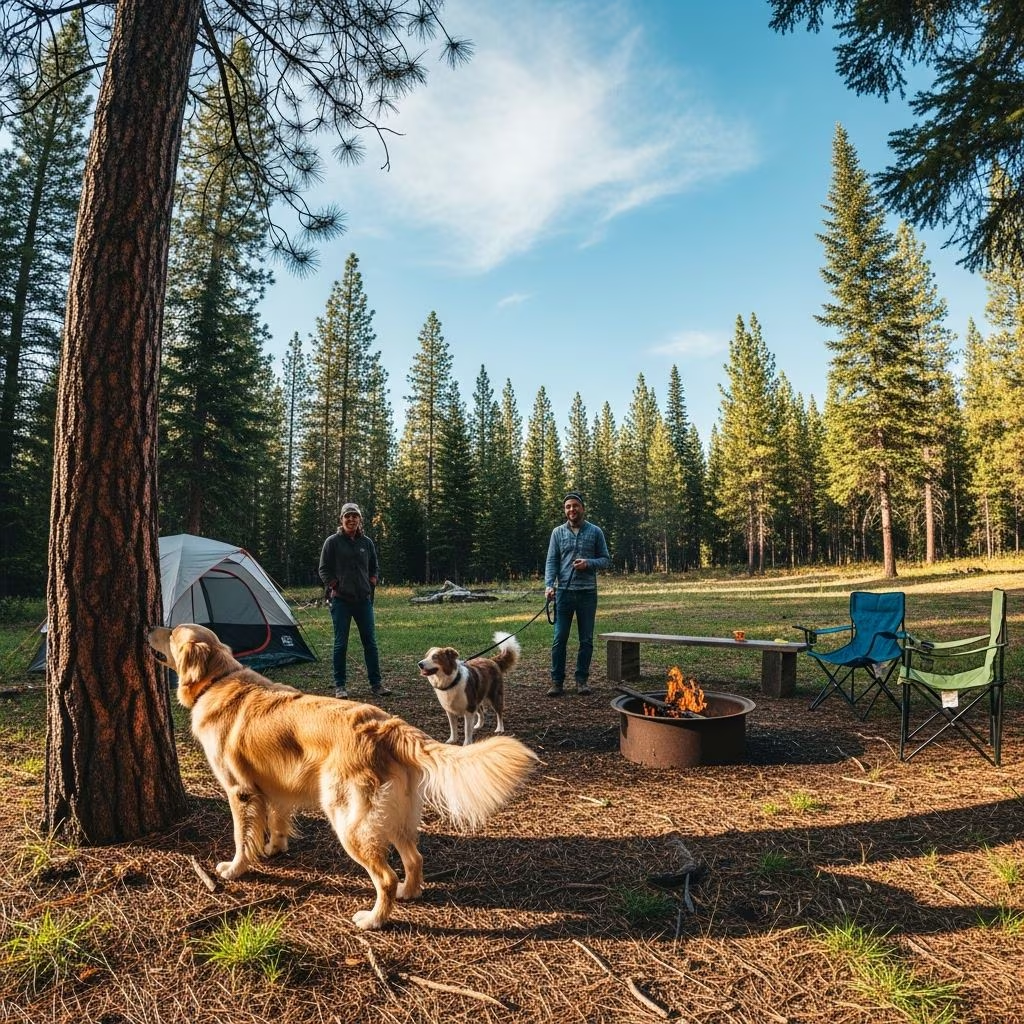
Camping with Dogs: Everything You Need to Know for Happy Outdoor Adventures
Camping is one of life’s greatest adventures, and bringing your furry best friend along can make it even more memorable. However, camping with dogs requires careful planning, the right gear, and a solid understanding of how to keep your pet safe and comfortable in the wilderness. Whether you’re a seasoned camper or embarking on your first outdoor adventure with your pup, this comprehensive guide will help you prepare for a successful camping trip that both you and your dog will love.
Understanding Your Dog’s Camping Readiness
Before packing up your camping gear and hitting the trails, the most important step is determining whether your dog is actually suited for camping. Not every dog enjoys outdoor adventures, and that’s perfectly okay. Consider your dog’s age, fitness level, temperament, and previous experience with outdoor environments. Puppies and senior dogs may struggle with the physical demands of camping, while anxious or aggressive dogs might find the unfamiliar setting stressful. Think about whether your dog enjoys hiking, being around other animals, and spending extended time away from familiar surroundings. If your dog has never been exposed to camping before, start with shorter day trips or overnight stays to gauge their comfort level before committing to longer adventures.
Essential Camping Gear for Dogs
Having the right equipment is crucial for ensuring your dog’s safety, comfort, and enjoyment while camping. Here are the must-have items every dog camper should pack:
Leashes, Harnesses, and Containment
Proper restraint is non-negotiable when camping with dogs. Even the most well-trained dogs can bolt after wildlife or wander off in unfamiliar territory. An extra-long dog leash allows your dog freedom of movement around the campsite while keeping them secure. A tie-out cable with a stake system provides even more space for your pup to roam while you set up camp or prepare meals. A quality harness with reflective piping helps you spot your dog at night and provides better control during hikes than a collar alone. Look for harnesses with handles, which offer quick control in emergency situations and help assist your dog over difficult terrain. Dog pens and playpens are excellent for campsites with off-leash restrictions, creating a safe enclosed space where your dog can enjoy the outdoors without wandering off.
Sleeping and Shelter Solutions
Your dog needs a comfortable place to rest, especially during chilly nights. A quality camping dog bed or elevated sleeping pad keeps your pup off cold, damp ground, which is essential since dogs lose significant body heat through ground contact. Dog sleeping bags provide additional warmth for colder climates and shoulder seasons. If you’re car camping, a dog crate serves as both a familiar safe space and a secure place for your pet when you’re not able to supervise them directly. When selecting a tent, consider going up one size to accommodate your dog comfortably. Avoid ultralight tents with delicate mesh, as dog claws easily tear through them. Some campers prefer tents with screen rooms or vestibules where dogs can observe the outdoor environment while remaining protected and secure.
Safety and Identification Equipment
In the wilderness, proper identification becomes even more critical. Ensure your dog’s collar has an updated identification tag with your current phone number. Consider adding a collar light or safety light to your dog’s gear so you can easily locate them during evening hours or nighttime bathroom breaks. GPS trackers or AirTags provide an extra layer of security for dogs that might wander off. A comprehensive pet first aid kit specifically designed for dogs should include bandages, antiseptic wipes, tweezers for tick removal, and any medications your dog requires. Don’t forget tick prevention measures, including veterinarian-recommended topical or oral preventatives and daily tick checks during your camping trip.
Protective Gear and Comfort Items
Dog booties or paw protectors shield your pup’s feet from sharp rocks, hot surfaces, and rough terrain. A paw cleaner device helps remove mud and debris before your dog enters your tent. In cooler weather, a dog sweater or insulated coat keeps your pet warm and comfortable. A hiking vest for capable dogs allows them to carry their own gear, such as water bottles, treats, or waste bags, making them feel like part of the adventure. Consider bringing a few favorite toys or chew items to provide mental stimulation and comfort during downtime at camp.
Packing the Right Provisions
Proper nutrition and hydration are fundamental to your dog’s health and happiness while camping. Pack more food than you think you’ll need, along with extra water and portable water bowls. Bring high-quality treats that your dog loves for positive reinforcement during training and to keep morale high. Ensure you have a collapsible or portable feeding system that works well in outdoor settings. Don’t leave dog food unattended at your campsite, as it can attract unwanted wildlife. Always provide fresh, clean water throughout the day, especially during and after hiking or play sessions. Consider bringing a lightweight, portable water filtration system if you’ll be relying on natural water sources.
Training and Behavioral Preparation
Before your camping trip, ensure your dog has solid obedience training, particularly reliable recall commands. This is essential if a safety concern arises or if your campground has restrictions on unleashed dogs. Basic commands such as sit, stay, come, and place are game-changers in outdoor environments. Practice these commands at home and gradually introduce your dog to outdoor scenarios where distractions are present. If your dog shows signs of anxiety or aggression, consult with a professional trainer before attempting a camping trip. A confident, well-trained dog makes for a far more enjoyable camping experience for everyone involved.
Understanding Campground Rules and Safety
Every campground has different regulations regarding pets, so research the rules of your specific destination before arriving. Many established campgrounds require dogs to remain on leash at all times. Some state and national parks allow off-leash hiking in designated areas, while others prohibit dogs entirely. Be aware of potential hazards specific to your campground, including steep drop-offs, wildlife, water hazards, and fire pits. Keep your dog close during evening hours to protect them from wild animals or theft. Store all food securely and watch for signs of dangerous wildlife like snakes. Many campgrounds post information about local wildlife—familiarize yourself with any hazards present in your camping area.
Managing Your Dog’s Comfort and Health
Monitor your dog’s physical condition throughout your camping trip. Watch for signs of fatigue, overheating, or injury. Take regular breaks during hikes, provide plenty of water, and let your dog rest in shaded areas. In warm weather, be aware that your dog cannot cool down as efficiently as humans, so plan activities for cooler parts of the day. During cold weather camping, ensure your dog has adequate shelter and bedding to maintain body warmth. Check your dog’s paws regularly for cuts, splinters, or other injuries. Pay special attention to tick removal, as ticks are prevalent in many outdoor environments. If your dog shows signs of illness or significant injury, know where the nearest veterinary clinic is located.
Dealing with Common Camping Challenges
Anticipate potential problems before they arise. Some dogs experience separation anxiety when away from their normal environment. Others may have difficulty sleeping due to unfamiliar sounds or sleeping surfaces. Bring comfort items like favorite blankets or toys to ease the transition. If your dog tends to escape from enclosures, consider using a tent lock on your tent zipper. Practice any new behaviors or equipment at home before your trip so your dog feels confident using them in the wilderness. If your dog has dietary sensitivities, bring enough specialized food to last your entire trip rather than relying on finding appropriate options while camping.
Hiking Safely with Your Dog
Hiking is often the highlight of a camping trip, but it requires special preparation when traveling with your dog. Choose trails that match your dog’s fitness level and age. Shorter, less technical trails work better for puppies and senior dogs. Always keep your dog on a leash unless you’re certain of their recall abilities and the area permits off-leash hiking. Bring plenty of water and offer your dog frequent drinks during the hike. Take breaks in shaded areas to prevent overheating. Watch for signs that your dog is tiring and adjust your pace or distance accordingly. Use a hiking harness with a handle rather than relying solely on a collar, which can put excessive strain on your dog’s neck during steep sections. Bring waste bags and pack out all of your dog’s waste to leave no trace.
Cleanup and Environmental Responsibility
Leave no trace is an important camping principle that extends to camping with dogs. Always pack out waste in designated containers or bags. Bring poop bags and either pack them out in a sealed container or dispose of them in designated waste stations. Clean your dog’s paws before entering your tent to minimize dirt and muddy paw prints. Avoid using harsh soaps that can irritate your dog’s skin or damage the environment. Respect other campers by keeping your dog from disturbing adjacent campsites and controlling excessive barking.
First Aid and Emergency Preparedness
Being prepared for medical emergencies is critical when camping in remote locations. Assemble a pet first aid kit that includes sterile bandages, antibiotic ointment, pain relievers approved for dogs, tweezers for tick removal, and any prescription medications your dog requires. Know the location of the nearest veterinary clinic and have their phone number readily available. Keep your dog’s vaccination records and medical history accessible. Consider taking a pet first aid course before your trip so you know how to respond to common injuries or illnesses. In emergencies requiring immediate professional care, know how to safely transport your dog and have a plan for reaching help quickly.
Advanced Camping Options
For experienced campers and dogs, consider advanced camping experiences like backpacking or multi-day backcountry trips. These adventures require even more preparation and careful planning. Your dog should be in excellent physical condition and have proven experience with regular hiking. Invest in quality ultralight gear that won’t add excessive weight to your pack. A hiking vest allows your dog to carry some of their own supplies. Practice multi-day trips with shorter distances first to build both your confidence and your dog’s endurance. Always carry a more comprehensive first aid kit for backcountry trips, and file a trip plan with someone who knows where you’re going.
Frequently Asked Questions
Q: What age should my dog be before taking them camping?
A: Most puppies are ready for camping around 6-12 months old once they’ve completed their vaccinations and developed some basic obedience. Very young puppies and senior dogs may struggle with the physical demands, so consult with your vet about your specific dog’s readiness.
Q: Can I leave my dog unattended at the campsite?
A: No, you should never leave your dog unattended at a campsite. They could escape, encounter wildlife, or be stolen. Always keep your dog contained in a pen, crate, or with a secure tether system.
Q: What should I do if my dog gets injured while camping?
A: Assess the injury and provide basic first aid if possible. For serious injuries, locate the nearest veterinary clinic and transport your dog there immediately. Always carry a pet first aid kit and know the location of emergency veterinary services at your destination.
Q: How much water should my dog drink while camping?
A: Dogs should drink approximately 1 ounce of water per pound of body weight daily, or more during hot weather or strenuous activity. Offer water frequently throughout the day and monitor your dog for signs of dehydration.
Q: Can dogs sleep in the tent with me?
A: Yes, many dogs sleep in tents with their owners. Ensure your dog has a comfortable bed or sleeping pad, and keep the tent secure so your dog cannot escape. Some dogs may experience anxiety in tents, so practice this at home first.
Q: What should I do about ticks and fleas while camping?
A: Use veterinarian-recommended preventative treatments before your trip. Check your dog’s skin daily for ticks and remove them promptly. Bring tweezers specifically for tick removal and consider a flea and tick collar for added protection.
Q: Is it safe to let my dog swim in lakes or streams?
A: Check with campground staff about water safety first. Some water sources harbor parasites or harmful bacteria. Always supervise swimming, and rinse your dog with fresh water afterward if they’ve been in natural water sources.
References
- Best Dog Camping Gear: 12 Essentials for Camping With Dogs — Chewy. https://www.chewy.com/education/dog/general/dog-camping-gear
- Camping with a Dog: Must-Know Tips for First-Time Pet Campers — Spark Paws. https://www.sparkpaws.com/blogs/community/camping-with-your-dog
- The Ultimate Guide to Camping with Your Dog: Safety Tips and Packing List — Grandma Lucy’s. https://www.grandmalucys.com/blogs/grandma-lucys-blog/the-ultimate-guide-to-camping-with-your-dog-safety-tips-packing-list
- Dog Camping Gear for a Night Outside — Ruffwear. https://ruffwear.com/pages/camping
- Camping with Dogs: How to Navigate Rules and Regulations — REI Co-op Journal. https://www.rei.com/blog/camp/camping-with-dogs-how-to-navigate-rules-and-regulations
- The Ultimate Dog Camping Gear Checklist: What to Pack for Your Pet — Trekology. https://trekology.com/blogs/gear/dog-camping-gear-checklist



