
Camelid Abortion Causes And Care: Expert Prevention Guide
Comprehensive guide to understanding, diagnosing, and preventing pregnancy loss in llamas, alpacas, and other camelids for optimal herd health.
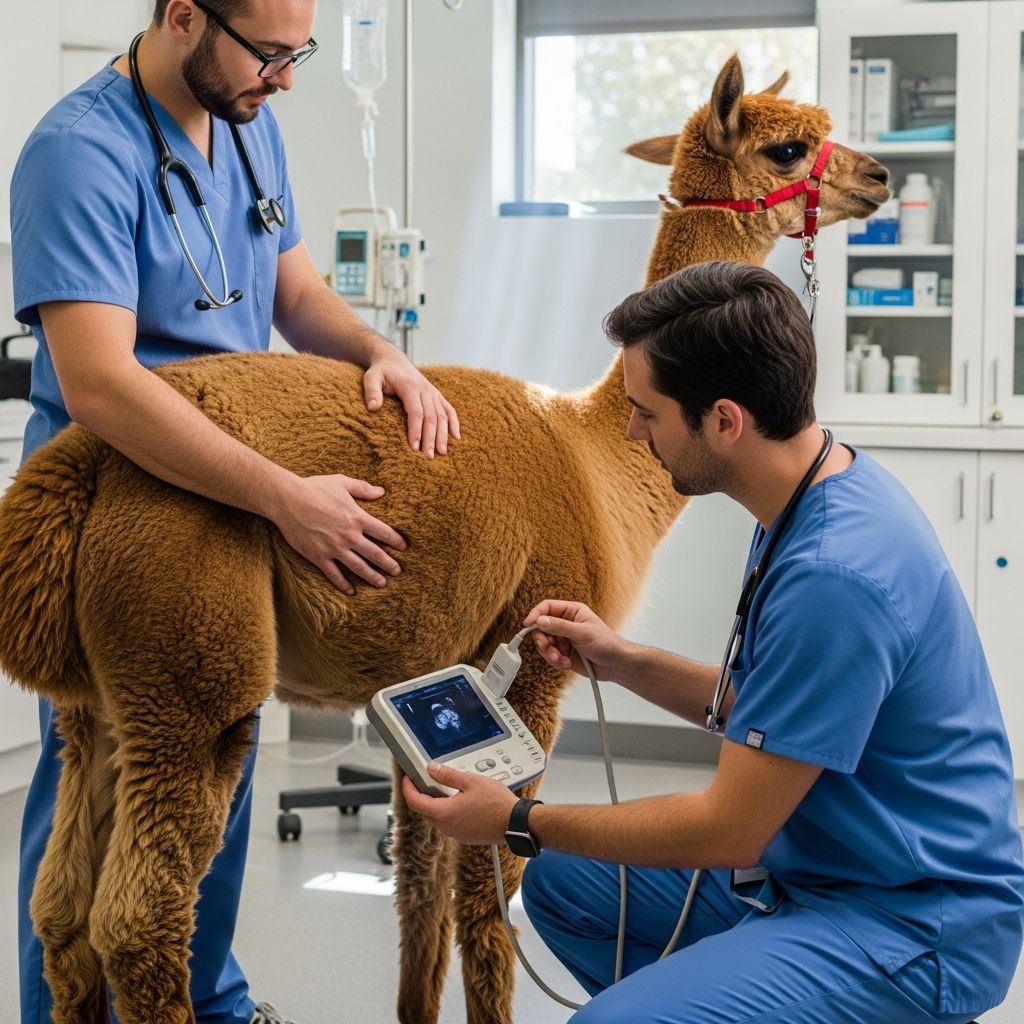
Abortion in camelids, such as llamas and alpacas, poses a significant challenge to breeders, often resulting from infectious agents, nutritional imbalances, or management issues. These South American species exhibit unique reproductive traits, including a strong preference for left uterine horn implantation, making early detection and intervention critical for herd sustainability.
Unique Reproductive Physiology of Camelids
Camelids display distinct pregnancy characteristics that influence abortion risks. Nearly all fetuses develop in the left uterine horn, with a diffuse, epitheliochorial placentation similar to horses but featuring microcotyledons and allantochorion adhesion to the amniotic sac. This setup can lead to specific vulnerabilities, such as avillous areas indicating placental insufficiency, particularly in cases of obesity or potential thyroid dysfunction. Twin pregnancies, though common initially, usually reduce to singletons by day 45, but surviving twins often abort between 5 and 9 months.
Understanding these traits helps in tailoring diagnostic approaches. For instance, recurrent losses may stem from luteal insufficiency, exacerbated by overconditioning, highlighting the need for balanced nutrition throughout gestation.
Infectious Agents Triggering Pregnancy Loss
Infections account for the majority of camelid abortions, with bacteria, viruses, protozoa, and fungi implicated. Uterine infections like endometritis and metritis, primarily from Escherichia coli and Streptococcus equi subsp. zooepidemicus, are leading causes of reproductive failure.
Bacterial Pathogens
- Brucella species (B. abortus, B. melitensis): Prevalent in endemic regions, causing late-term abortions.
- Leptospira interrogans (serogroups Icterohaemorrhagiae, Ballum): Linked to sporadic outbreaks.
- Listeria monocytogenes: Results in fetal septicemia and placental lesions.
- Campylobacter fetus fetus: Associated with late-term losses and placental pathology, especially near sheep flocks.
- Coxiella burnetii: Suspected but not confirmed in camelids.
- Trueperella pyogenes and nonspecific bacteria like E. coli: Common in placentitis-driven abortions.
Beyond these, rare cases involve Bacillus cereus, leading to hemorrhagic placentitis and fetal organ involvement.
Viral Contributors
Bovine Viral Diarrhea Virus (BVDV) stands out, causing abortions at any gestation stage or premature weak crias. Persistently infected newborns can spread the virus herd-wide. Diagnosis relies on PCR of fetal blood or tissues.
Protozoal and Fungal Threats
Protozoa like Toxoplasma gondii, Neospora caninum (mid-gestation losses, 28% in some studies), and Sarcocystis spp. are reported. Limit canid exposure for N. caninum prevention. Fungi such as Aspergillus spp. and Encephalitozoon cuniculi cause sporadic cases.
Non-Infectious Factors in Camelid Losses
Not all abortions are infectious; nutritional deficiencies, toxins, and physiological issues play roles. Selenium shortfall, detected via liver analysis, contributes to weaknesses. Genetic issues, trauma, and iatrogenic causes (e.g., improper hormone use) also factor in. Obesity-linked luteal failure leads to recurrent early losses.
Diagnostic Approaches for Abortion Cases
Swift, comprehensive diagnostics are essential. Submit fresh fetuses with placentas (chilled, not frozen) for necropsy, histopathology, bacteriology, and targeted PCRs.
| Test Panel Component | Target Agents | Sample Type |
|---|---|---|
| Fetal Necropsy & Histopathology | General pathology, lesions | Whole fetus + placenta |
| Aerobic Bacteriology | Bacteria (e.g., E. coli, Strep) | Stomach, placenta |
| BVDV PCR | Bovine Viral Diarrhea Virus | Lung, tissues |
| Equine Herpesvirus-1 PCR | EHV-1 | Lung/placenta |
| Selenium Quantification | Nutritional status | Liver |
Field necropsies allow tissue fixation for advanced testing like immunohistochemistry. Serology on dams complements fetal exams.
Treatment Strategies for Uterine Infections
For endometritis/metritis post-abortion, combine lavage, antibiotics, and supportive care. Culture-guided choices include penicillin, gentamicin, or ceftiofur. Lavage with saline, followed by infusions, and oxytocin aids clearance. Post-treatment, enforce 2-4 weeks sexual rest and minimum contamination breeding (ultrasound-guided single mating + post-breeding antibiotics).
Male infections like orchitis often require unilateral castration, as systemic treatments fail.
Induced Abortion Protocols
Prostaglandin F2α analogs effectively terminate pregnancies at any stage. Dinoprost tromethamine (5 mg IM) or cloprostenol (125-250 mcg IM) in alpacas yield abortions in 2-7 days, unaffected by gestation length. These also induce term parturition.
Prevention and Biosecurity Measures
Minimize risks through vaccination (where available), canid control, and isolation of newcomers. Monitor nutrition, body condition, and use diagnostic panels routinely. Biosecurity prevents venereal spread and environmental pathogens.
FAQs on Camelid Abortion Management
What are the most common abortion causes in alpacas and llamas?
Bacterial placentitis (E. coli, Strep. zooepidemicus), BVDV, and protozoa like Neospora top the list.
How do I diagnose an abortion outbreak?
Submit full fetus/placenta panels including necropsy, cultures, PCRs for viruses/protozoa, and selenium tests.
Can abortion be induced safely in camelids?
Yes, using cloprostenol or dinoprost, with expulsion in 2-7 days regardless of stage.
What treatments work for post-abortion endometritis?
Uterine lavage, culture-based antibiotics, oxytocin, and breeding hygiene protocols.
How to prevent infectious abortions?
Vaccinate, limit wildlife exposure, maintain nutrition, and apply strict biosecurity.
Long-Term Herd Health Strategies
Integrate regular ultrasound for early detection, nutritional profiling, and annual screenings. Track abortion patterns to identify herd-specific risks, ensuring sustainable reproduction. Collaborate with vets for tailored plans, reducing economic losses from pregnancy failures.
References
- Disorders and Diseases of Pregnancy — PMC – NIH. 2020-04-15. https://pmc.ncbi.nlm.nih.gov/articles/PMC7158342/
- Infectious causes of reproductive loss in camelids — PMC – NIH. 2020-02-20. https://pmc.ncbi.nlm.nih.gov/articles/PMC7103124/
- Abortion in Camelids – Reproductive System — Merck Veterinary Manual. 2023-01-10. https://www.merckvetmanual.com/reproductive-system/abortion-in-large-animals/abortion-in-camelids
- Camelid Abortion Panel — Washington State University College of Veterinary Medicine. 2024-06-01. https://tests.waddl.vetmed.wsu.edu/Tests/Details/8191
- Camelid Diagnostic Plans and Panels — Cornell University Animal Health Diagnostic Center. 2024-03-15. https://www.vet.cornell.edu/animal-health-diagnostic-center/diagnostic-services/diagnostic-plans-and-panels/camelid-diagnostic-plans-and-panels
- Abortion Screen – Camelid — Oregon State University Veterinary Diagnostic Lab. 2024-05-20. https://vetmed.oregonstate.edu/vdl-test/abortion-screen-camelid
Similar Articles








Read full bio of medha deb


