

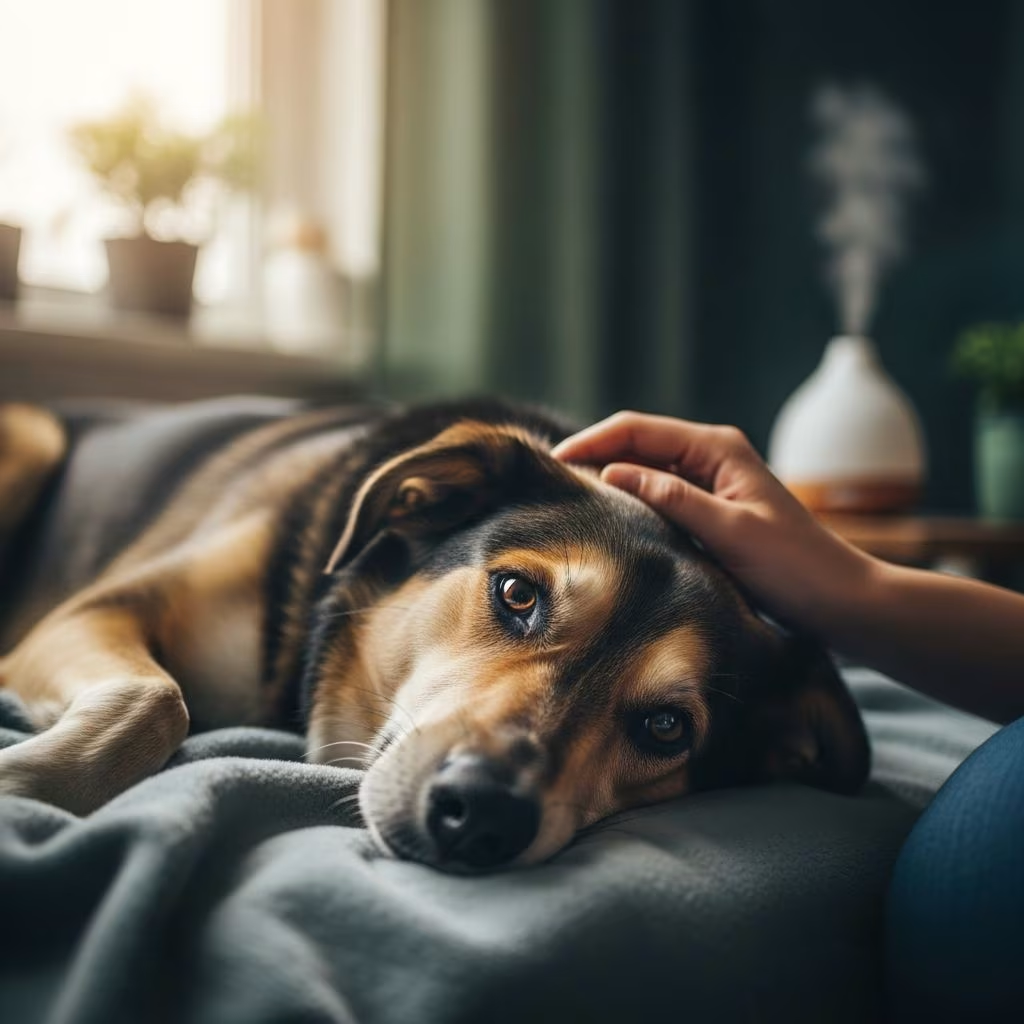
Dogs experience stress and anxiety from various triggers, manifesting in behaviors like panting, pacing, and withdrawal. Addressing these issues promptly through observation, lifestyle changes, and professional guidance can significantly enhance your dog’s quality of life.
Understanding Canine Stress Signals
Recognizing when your dog is stressed is the first step toward helping them. Dogs communicate discomfort through subtle and overt body language changes that attentive owners can learn to interpret.
- Panting and yawning: Excessive panting without physical exertion or prolonged yawning often signals unease, distinct from tiredness.
- Pacing and restlessness: Constant movement or inability to settle indicates inner turmoil.
- Body posture shifts: Tucked tails, cowering, or rigid stance show fear or tension.
- Vocalizations: Whining, barking, or growling more than usual can be cries for comfort.
- Gastrointestinal issues: Diarrhea, loss of appetite, or sudden urges to eliminate reflect stress impacts on the body.
- Overgrooming and shedding: Excessive licking or sudden hair loss points to self-soothing attempts.
- Eye and ear changes: Dilated pupils, whale eye, or pinned-back ears reveal heightened alertness.
These signs can overlap with medical conditions, so consult a veterinarian to rule out underlying health problems before attributing them solely to stress.
Common Triggers of Dog Anxiety
Stressors in a dog’s life vary by breed, age, and past experiences. Identifying specific triggers allows for targeted prevention.
| Trigger Category | Examples | At-Risk Breeds/Types |
|---|---|---|
| Environmental | Loud noises (fireworks, thunder), new places, moving | Herding breeds like Border Collies |
| Social | Separation from owners, unfamiliar people/pets, tension with other animals | Highly social breeds like Labradors |
| Routine Changes | Schedule shifts, travel, construction | Senior dogs with cognitive issues |
| Physical/Health | Pain, illness, overstimulation, excessive exercise | Breeds prone to stress syndrome like Greyhounds |
Genetic predisposition plays a role; some dogs inherit anxious tendencies, exacerbated by poor puppy socialization or trauma. Owners’ stress levels can also influence dogs, as they mirror human emotions.
Everyday Strategies to Reduce Dog Stress
Simple home adjustments often provide immediate relief, focusing on exercise, environment, and routine stability.
Physical and Mental Exercise
Regular activity burns off nervous energy. Aim for daily walks, fetch sessions, or breed-specific sports like agility for high-energy dogs. Mental stimulation through puzzle toys, scent games, or training prevents boredom-induced anxiety.
Creating a Safe Haven
Designate a quiet retreat with familiar bedding, toys, and covers to block stimuli. This space allows decompression during overwhelming events.
Calming Aids and Tools
- Pressure wraps like ThunderShirt apply gentle hugging sensation to ease tension.
- White noise machines or soothing music mask disruptive sounds.
- Slow-feeder bowls and food puzzles extend mealtimes, promoting relaxation.
Maintain consistent routines for feeding, walks, and play to build security. Use positive reinforcement—treats and praise—to associate triggers with good experiences.
Advanced Interventions for Persistent Anxiety
When home methods fall short, professional input ensures comprehensive care.
Nutritional and Supplemental Support
Calming supplements containing alpha-casozepine (from milk protein) or natural herbs like valerian may help mild cases. Always vet-approve before use. Frequent small meals reduce digestive stress.
Behavioral Training
Work with certified trainers on desensitization and counter-conditioning. Gradual exposure to triggers paired with rewards rewires responses.
Veterinary and Pharmacological Options
Vets diagnose via exams and may prescribe SSRIs like fluoxetine, clomipramine, or benzodiazepines for acute events. Selegiline aids seniors with cognitive dysfunction. Pheromone diffusers mimic calming maternal scents.
For severe cases, refer to veterinary behaviorists for tailored plans combining meds, training, and therapy.
Preventive Measures for Long-Term Well-Being
Proactive steps minimize anxiety buildup. Socialize puppies early to build confidence. Monitor seniors for age-related fears. Track patterns in a journal to anticipate flare-ups.
Owner mindfulness matters—calm demeanor reassures dogs. Regular vet check-ups catch health issues early, as pain amplifies stress.
FAQs on Managing Dog Stress
What if my dog’s stress signs persist despite changes?
Consult a vet to exclude medical causes, then seek a behavior specialist.
Are certain breeds more prone to anxiety?
Yes, herding and sporting breeds like Border Collies and Labradors may need more stimulation.
Can medications cure dog anxiety?
They manage symptoms alongside training; cures focus on behavioral modification.
Is over-exercise a stress trigger?
Yes, especially in susceptible breeds, leading to symptoms like elevated heart rate.
How does owner stress affect dogs?
Dogs mirror human cortisol levels, per studies.
By vigilantly observing your dog, adapting their environment, and seeking expert help when needed, you foster a stress-reduced life. Consistent effort yields a more balanced, joyful companion.
References
- Canine Stress Syndrome in Dogs – Symptoms, Causes, Diagnosis — WagWalking. 2023. https://wagwalking.com/condition/canine-stress-syndrome
- Signs of Stress in Dogs — Blue Cross. 2024. https://www.bluecross.org.uk/advice/dog/behaviour-and-training/stress-in-dogs
- Signs of Stress in Dogs: Tips to Identify and Manage Anxiety — CareCredit. 2024. https://www.carecredit.com/well-u/pet-care/signs-dog-stress-anxious/
- Signs Your Dog Is Stressed and How to Relieve It — HSMO. 2023. https://hsmo.org/portfolio-item/signs-your-dog-is-stressed-and-how-to-relieve-it/
- How to Calm an Anxious Dog: Manage Stress and Hyperactivity — GoodRx. 2025-03-15. https://www.goodrx.com/pet-health/dog/how-to-calm-down-your-dog
- Anxiety in Dogs: Signs, Symptoms, and Treatment — AKC. 2024. https://www.akc.org/expert-advice/health/treating-dog-anxiety/



