

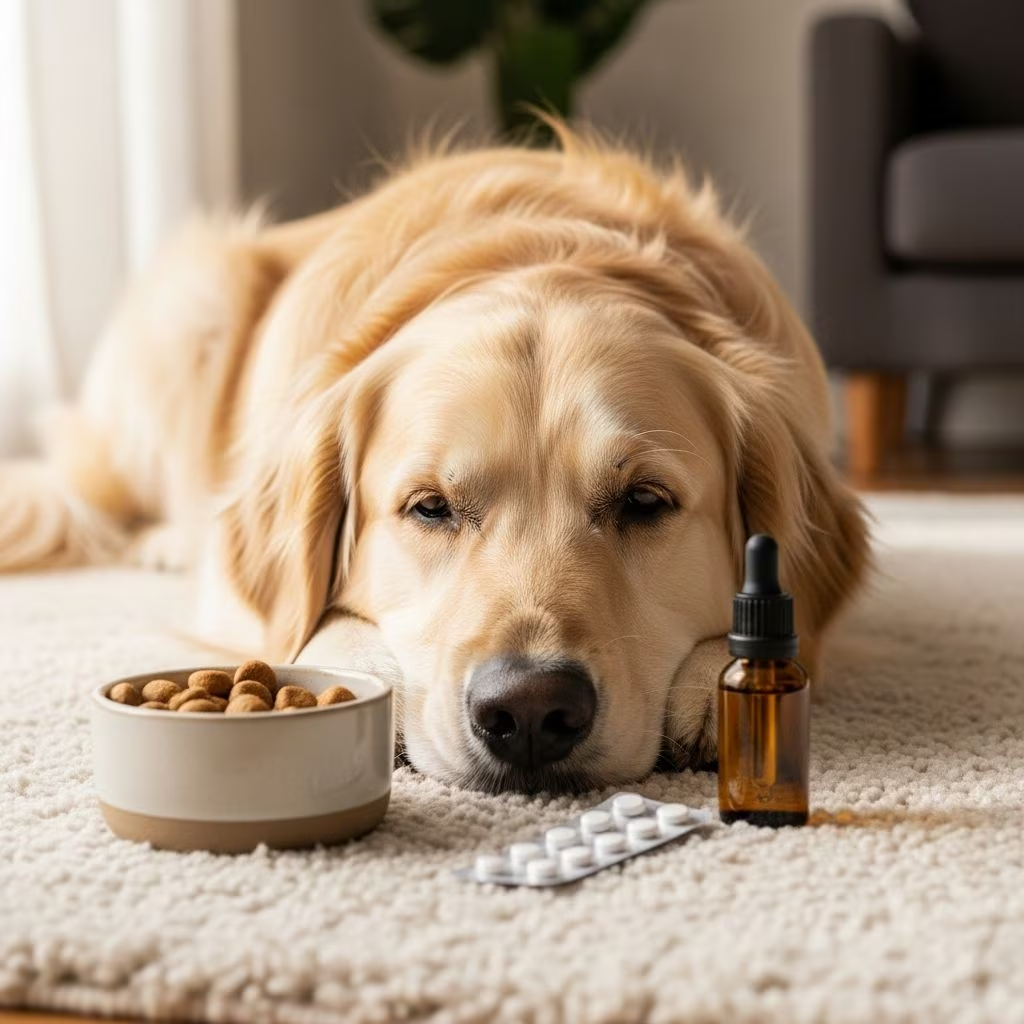
Many dogs experience anxiety from thunderstorms, separation, or daily stressors, leading to destructive behavior or distress. This guide explores safe, effective options including natural supplements, over-the-counter treats, and prescription drugs to help your dog achieve relaxation and better well-being.
Recognizing Signs of Anxiety in Dogs
Dogs can’t verbalize stress, but they show it through behaviors like excessive barking, pacing, trembling, or hiding. Situational anxiety might occur during fireworks or vet visits, while chronic issues like separation anxiety persist when owners leave. Early identification allows timely intervention, preventing escalation to aggression or self-harm.
- Panting and drooling: Even in cool environments, signaling heightened stress.
- Destructive chewing: Often targeted at doors or furniture linked to the owner’s absence.
- Escape attempts: Scratching at doors or windows to reunite with owners.
- Loss of appetite or house soiling: Common in severe cases.
Observing patterns helps differentiate anxiety from boredom or medical issues; consult a vet to rule out pain or illness first.
Natural Supplements for Everyday Calm
Natural supplements offer gentle support for mild anxiety without sedation. These work by influencing brain chemicals like serotonin or providing herbal relaxation.
| Supplement | Key Benefits | Best For | Typical Dosage Notes |
|---|---|---|---|
| L-Theanine | Promotes alpha brain waves for relaxation without drowsiness | General stress, travel | 50-200mg daily, vet-adjusted |
| Melatonin | Regulates sleep cycles, reduces noise phobia | Nighttime anxiety, fireworks | 1-6mg per 20-40 lbs, 30min prior |
| Chamomile | Soothes digestion and nerves | Stomach upset-linked anxiety | In treats or tea form, small amounts |
| Valerian Root | Mild sedative effect | Acute anxiety episodes | 10-20mg/kg, short-term use |
| L-Tryptophan | Boosts serotonin production | Mood stabilization | From diet or 5-10mg/lb daily |
Probiotics also aid by supporting gut-brain axis health, shown to mellow reactive dogs. Start with low doses to monitor tolerance.
Over-the-Counter Calming Treats and Aids
Calming chews combine multiple ingredients for convenience, ideal for occasional use. Products with hemp (CBD) may lower cortisol, though efficacy varies.
- Chewable tablets: Often include thiamine (B1) targeting the nervous system or passionflower for acute calm.
- Pheromone diffusers: Mimic maternal scents to signal safety.
- Body wraps like ThunderShirts: Apply gentle pressure for swaddling comfort during storms.
These provide short-term zen for average dogs but pair best with training. Sensitive stomachs benefit from ginger-infused options.
Prescription Medications for Severe Anxiety
For persistent issues, vets prescribe targeted drugs. Only FDA-approved options like Clomicalm, Reconcile, and Sileo are dog-specific; others are off-label human meds.
Antidepressants (SSRIs and Tricyclics)
These increase serotonin/norepinephrine for mood regulation, taking 4-6 weeks for effect.
- Fluoxetine (Reconcile/Prozac): FDA-approved for separation anxiety; combines with behavior training. Daily dosing.
- Clomipramine (Clomicalm): Targets separation and noise phobias; up to 2 months trial.
- Amitriptyline: For generalized anxiety; avoid in diabetics. Taper off after weeks.
- Paroxetine (Paxil) / Sertraline (Zoloft): Manages fear aggression or compulsions.
Sedatives and Short-Acting Options
For situational triggers like travel or events.
- Alprazolam (Xanax): Quick-onset for thunderstorms; 30-60min pre-trigger, up to 4x/day.
- Dexmedetomidine (Sileo): FDA-approved for noise aversion; oral gel at first sign.
- Gabapentin: Multi-use for anxiety, pain, sedation.
- Lorazepam (Ativan): Pre-event dosing for situational fears.
- Buspirone: Social anxiety; 2-3x daily, 6 weeks onset.
Never stop abruptly; vet-guided tapering prevents withdrawal.
Integrating Behavior Training with Calming Aids
Medications shine alongside modification. Desensitization exposes dogs gradually to triggers with rewards, building confidence.
- Identify triggers via journal.
- Use counter-conditioning: Pair trigger with high-value treats.
- Incorporate aids during sessions for positive association.
- Track progress; adjust with vet.
Long-term SSRIs support training but aren’t standalone.
Safety Considerations and When to See a Vet
Not all dogs suit every aid; side effects include lethargy, GI upset, or rare aggression spikes. Puppies, pregnant dogs, or those with liver issues need caution.
- Consult vet before starting, especially with existing meds.
- Monitor for 1-2 weeks; discontinue if worsening.
- Combine with exercise and enrichment for holistic relief.
For severe cases unresponsive to OTC, prescriptions address root causes effectively.
FAQs on Dog Calming Solutions
Are calming treats safe for daily use?
Yes for mild cases, but check ingredients and vet-approve for long-term.
How quickly do prescription anxiety meds work?
Sedatives: 30-60min; antidepressants: 4-6 weeks.
Can CBD treats replace vet meds?
Possibly for mild anxiety, but evidence limited; not for severe cases.
What if my dog reacts poorly to supplements?
Stop immediately and consult vet; allergies rare but possible.
Is behavior training enough without meds?
Often yes for mild issues; meds aid severe or training-resistant cases.
References
- How to Calm an Anxious Dog: Manage Stress and Hyperactivity — GoodRx. 2023. https://www.goodrx.com/pet-health/dog/how-to-calm-down-your-dog
- Medications for Treating Dog Anxiety — Northgate Veterinary. 2022-03-30. https://www.northgateveterinary.com/site/blog/2022/03/30/dog-anxiety-medications
- 10 Medications for Dog Anxiety — PetMD. 2023. https://www.petmd.com/dog/behavior/10-medications-dog-anxiety
- Dog Sedatives: When and How to Use Them — Bond Vet. 2023. https://bondvet.com/blog/dog-sedative
- Treats And Medications that Calm Your Dog — Whole Dog Journal. 2023. https://www.whole-dog-journal.com/behavior/treats-and-medications-that-calm-your-dog/



