

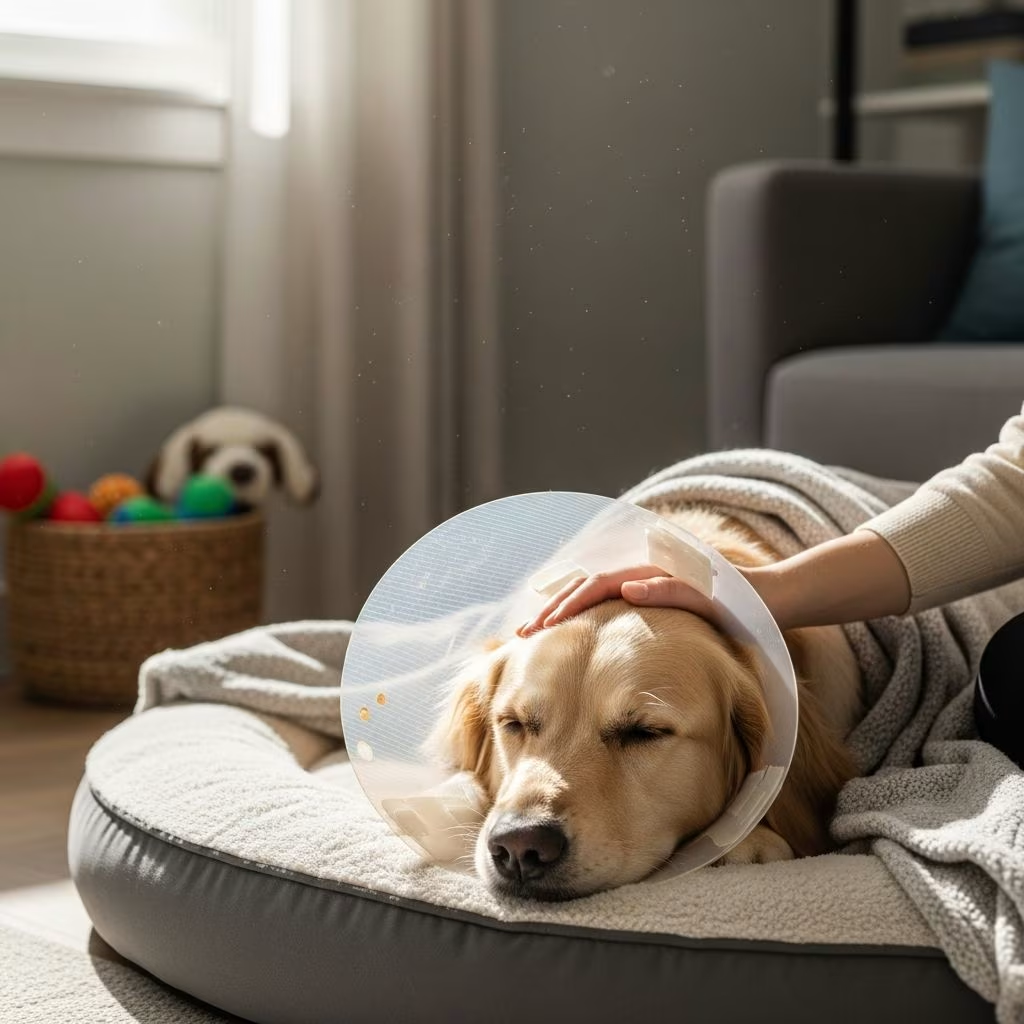
Recovering from surgery requires a peaceful setting to minimize stress and support healing in dogs. Proper management involves restricting movement, providing comfort, and closely observing behavior changes.
Establishing a Safe Recovery Zone
The foundation of post-surgical calm starts with a dedicated recovery area. Select a quiet indoor spot away from high-traffic zones, children, and other animals to reduce stimulation. Ideal temperatures range from 68°F to 75°F (20°C to 24°C) in a draft-free room with soft bedding for support.
- Use crates or small rooms for confinement to limit activity, essential for 10-14 days post-op to prevent incision strain.
- Place potty pads or indoor grass patches nearby, allowing bathroom needs without excessive walking.
- Keep the dog indoors overnight, limiting outings to short, leashed potty breaks.
Avoid stairs or ramps if possible; if unavoidable, use a towel sling under the hips for support during slow, leashed traversal.
Activity Restrictions for Optimal Healing
Excessive movement risks complications like incision dehiscence, seromas, or hardware failure in orthopedic cases. Confine high-energy dogs and pause exercise routines.
| Time Frame | Allowed Activities | Prohibited Actions |
|---|---|---|
| Days 1-7/10 | Short leashed walks for elimination | Running, jumping, playing, stairs |
| Weeks 2+ | Gradual increase per vet approval | Swimming, baths, unsupervised furniture access |
| Until suture removal | Rest in confined space | Strenuous exertion |
Prevent unsupervised access to beds or sofas to avoid jumps that could reopen wounds.
Pain Control and Comfort Measures
Pain heightens anxiety, so follow vet-prescribed medications precisely for dosing and frequency to avoid side effects. Additional aids include:
- Cryotherapy: Apply ice packs wrapped in cloth to the site for 10 minutes, 2-3 times daily post-walks to reduce swelling and discomfort.
- Laser therapy if recommended by your clinic for inflammation control.
- Passive range-of-motion exercises once approved, promoting gentle mobility without strain.
Monitor for pain indicators like whining, restlessness, or guarding the site, using vet-provided checklists.
Nutrition Strategies During Recovery
Anesthesia often causes nausea, suppressing appetite. Start with half-portions of bland food like boiled chicken and rice a few hours post-arrival.
- Transition to normal diet within 24-48 hours if appetite returns.
- Contact your vet if no eating persists beyond 48 hours, signaling potential pain or infection.
- Offer small, frequent meals of easily digestible options to prevent vomiting.
For confinement boredom, use interactive toys like Kongs stuffed with frozen peanut butter or soft food to mentally engage without physical exertion.
Daily Monitoring and Wound Care
Vigilance prevents minor issues from escalating. Check the incision twice daily for:
- Redness, swelling, discharge, or odor indicating infection.
- Excessive licking or chewing, warranting an e-collar.
- Changes in eating, elimination (urinate 1-2x/day; bowel movement within 4-7 days), or lethargy.
Bathe only as vet-directed; avoid moisture near wounds to prevent bacterial entry. Keep bandages clean and schedule changes at follow-ups to avoid sores.
When to Seek Emergency Veterinary Help
Not all issues wait for office hours. Rush to care for:
- Non-productive retching, pale gums, rapid breathing, or collapse.
- Incision opening, profuse bleeding, or pus.
- Absence of urination/bowel movements beyond norms, or seizure-like activity.
For non-urgents, call your vet or after-hours service like MedVet.
Follow-Up Visits and Long-Term Recovery
Attend all scheduled check-ups to assess healing, adjust meds, and clear for activity increases. Physical rehab may accelerate progress in orthopedic recoveries.
Sutures typically remove after 10-14 days, with full activity resuming per vet timeline—often 2 weeks minimum.
Psychological Support for Anxious Dogs
Surgery stresses dogs; behavioral changes like altered sleep or clinginess may occur first 24 hours. Counter with:
- Pheromone diffusers or calming collars.
- Gentle petting and verbal reassurance in the recovery zone.
- Consistent routines to rebuild security.
High-energy breeds benefit from puzzle toys during confinement.
Special Considerations by Surgery Type
| Surgery Type | Key Calm Tips | Duration |
|---|---|---|
| Spay/Neuter | E-collar essential; limit licking | 10-14 days |
| Orthopedic | Strict crate rest; icing mandatory | 4-8 weeks |
| Soft Tissue | Monitor drainage; short walks | 7-14 days |
Tailor to your dog’s procedure via vet instructions.
Frequently Asked Questions
How long should I confine my dog after surgery?
Typically 7-14 days, or until vet clearance, to protect the incision.
What if my dog won’t eat post-surgery?
Offer bland food; if over 48 hours, consult vet for pain/infection check.
Is icing safe for surgical sites?
Yes, 10 minutes 2-3x/day with cloth barrier to curb inflammation.
When can my dog climb stairs again?
Limit initially; use support if needed, avoiding when possible.
What toys are best for confined dogs?
Non-physical like stuffed Kongs to prevent boredom without activity.
Building a Recovery Support Team
Enlist family for monitoring shifts. Document daily notes on appetite, elimination, and site appearance for vet discussions. Patience yields full recovery.
References
- How to Care for Your Pet After Surgery: A Complete Guide — Alpine Animal Hospital. Accessed 2026. https://alpineanimal.net/how-to-care-for-your-pet-after-surgery-a-complete-guide/
- Caring for Your Cat or Dog After Surgery — MedVet. Accessed 2026. https://www.medvet.com/post-surgery-care-for-pet/
- Orthopedic Surgery Post-Operative Instructions — Advanced Vet Care NM. Accessed 2026. https://www.advancedvetcarenm.com/orthopedic-surgery-post-operative-instructions/
- Post-Operative Instructions in Dogs — VCA Animal Hospitals. Accessed 2026. https://vcahospitals.com/know-your-pet/post-operative-instructions-in-dogs
- After-Surgery Care for Dogs Guide — White House Animal Hospital. 2023-03-15. https://www.whitehousevet.com/site/blog/2023/03/15/after-surgery-care-for-dogs-guide
- Dog Surgery Aftercare FAQs — PetMD. 2021-04-28. https://www.petmd.com/dog/dog-surgery-aftercare-faqs
- After Surgery Care Instructions — Richardson Animal Hospital. Accessed 2026. https://www.richardsonanimalhospital.com/storage/app/media/_012720/after-surgery-care-instructions.pdf



