
Calming the Overexcited Dog
Discover proven strategies to help your high-energy dog achieve emotional balance and respond calmly to everyday triggers.
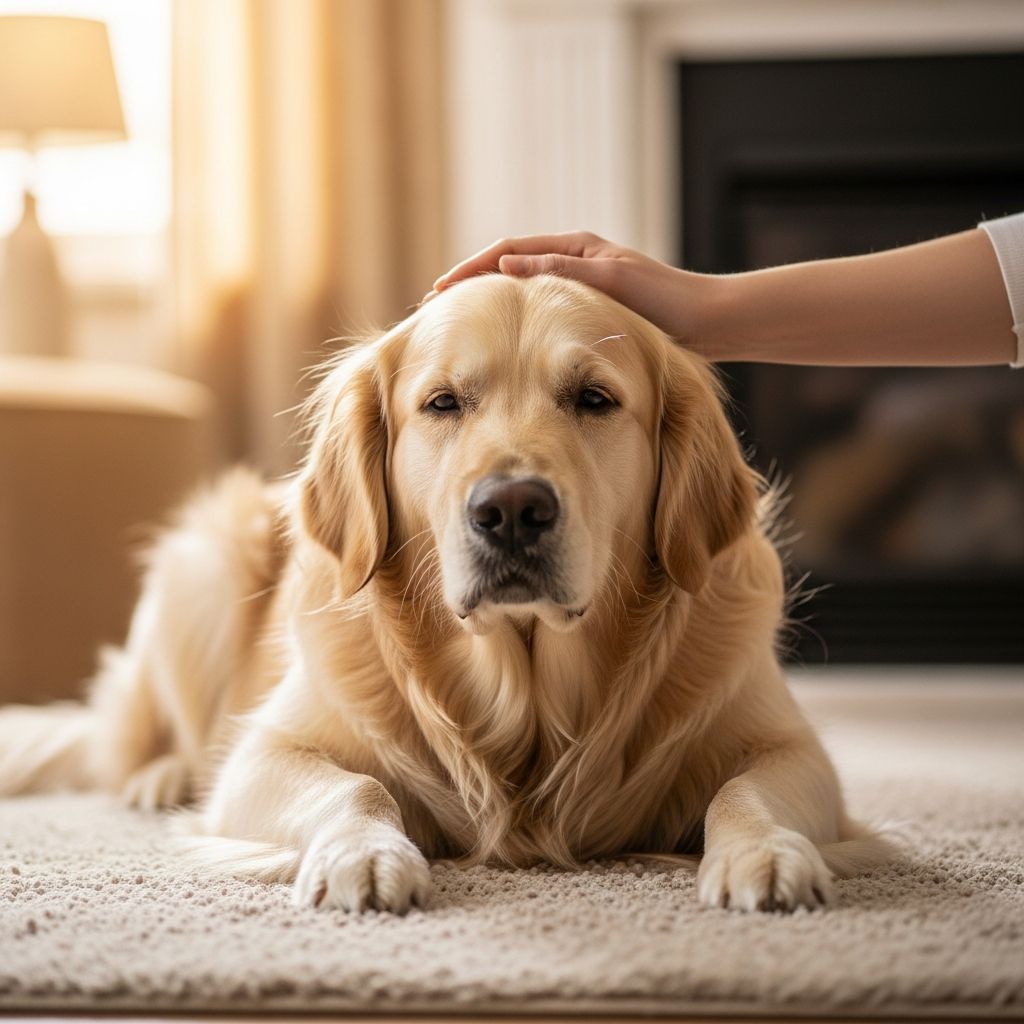
Many dog owners face the challenge of managing pets that become excessively excited or reactive in everyday situations. These dogs, often labeled as hyperactive or high-arousal, struggle to self-regulate their energy levels, leading to behaviors like jumping, barking, or lunging. Understanding the root causes of this over-arousal and implementing targeted training methods can transform these dogs into calmer, more balanced companions. This guide explores practical, science-backed approaches to help your dog learn emotional control.
Understanding Canine Arousal Levels
Arousal in dogs refers to their state of excitement or alertness, which can range from mild interest to intense reactivity. When arousal exceeds a dog’s ability to cope, it spills over into unwanted behaviors. Factors like genetics, lack of early training, or insufficient outlets for energy contribute to this issue. High-arousal dogs often enter a ‘threshold’ where rational responses give way to instinctual reactions, making training difficult until arousal is lowered.
Key signs of rising arousal include stiff body posture, rapid panting, dilated pupils, and repetitive movements like pacing. Early recognition allows intervention before escalation. Dogs with high drive, such as herding or sporting breeds, are prone to this but can learn management skills with consistency.
Recognizing and Preventing Triggers
Triggers vary by dog but commonly include doorbell rings, passing strangers, other animals on walks, or play sessions that get out of hand. Observe your dog over several days to map patterns: note body language shifts when arousal builds. Prevention starts with management—keep distance from known triggers to avoid overwhelming your dog.
- Monitor environmental changes like approaching people or vehicles.
- Use baby gates or leashes indoors to control access.
- Schedule walks during quieter times to minimize encounters.
Proactive distance creates space for success. For instance, if another dog appears on a walk, increase separation before your dog fixates, turning potential reactivity into a non-event.
Building a Foundation of Calm Behaviors
Teach incompatible calm actions that cannot coexist with arousal, such as lying down or settling on a mat. Start in low-distraction settings with positive reinforcement—high-value treats for compliance build reliability.
Progress gradually: introduce mild excitement (gentle play) then cue the calm behavior, rewarding heavily. This ‘on-off’ switch teaches dogs to toggle arousal states voluntarily.
| Behavior | Purpose | Training Tip |
|---|---|---|
| Sit or Down | Interrupts jumping or lunging | Use during play; resume fun only after compliance |
| Mat Settle | Promotes relaxation in any room | Pair with treats; fade rewards over time |
| Head Rest | Signals self-soothing | Gently guide chin to floor, reward duration |
Structured Training Sessions for Impulse Control
Short, frequent sessions build self-control without fatigue. Limit to 3-5 minutes, 4 times daily, focusing on obedience, tricks, or light agility. Incorporate ‘arousal protocols’: expose to controlled excitement (toy chase), then cue a control behavior like sit, rewarding with resumed play. This dance of step-stop-sit conditions dogs to handle ‘packets’ of arousal.
Play-based games like tug or flirt pole teach boundaries. Midway through excitement, freeze and cue settle—play restarts only on response. Vary durations to prevent predictability, strengthening the habit across contexts.
Redirecting Energy into Positive Outlets
Channel arousal constructively rather than suppressing it. Sniffing walks lower stress via olfactory engagement; scent games engage the parasympathetic nervous system. Offer stuffed Kongs during high-trigger events like visitors—licking provides rhythmic calming.
- Tug toys for outdoor redirects from squirrels.
- Flirt poles for indoor energy bursts.
- Obedience drills before meals to preempt mealtime frenzy.
Practice these outside triggers first for fluency. Redirection prevents escalation while honoring the dog’s drive.
Incorporating Relaxation Techniques
Physical touch aids decompression. Purposeful massage—slow strokes without eye contact or talk—induces blinking and softening, signaling safety. Begin briefly, ignoring play attempts; persistence yields mutual relaxation.
Crate training creates a voluntary retreat space. Associate with positives like treats; use during downtime for recharge. Combine with mat training for portable calm zones.
Daily Routines to Foster Balance
Consistency is key: blend mental work, physical exercise, and rest. Morning obedience, midday enrichment toys, evening massages. Avoid exhaustion—tired dogs arouse faster. Reward all quiet moments around past triggers, reinforcing calm as default.
Professional input accelerates progress. Behaviorists tailor protocols, especially for severe cases.
Common Mistakes and How to Avoid Them
Forced settling backfires, heightening frustration. Over-exercising ignores mental fatigue’s role in dysregulation. Punishing arousal reinforces fear. Instead, prioritize prevention and positives.
- Mistake: Yelling to calm—amplifies energy.
- Solution: Neutral ignore, cue alternative.
- Mistake: Inconsistent rules.
- Solution: Family-wide protocols.
Long-Term Success Strategies
Track progress in a journal: note triggers managed, settle durations. Celebrate increments—5 seconds to 5 minutes builds momentum. High-drive dogs thrive with outlets matching temperament, like herding balls or nosework classes.
Patience yields results: within weeks, dogs generalize skills, transforming chaos into composure.
Frequently Asked Questions (FAQs)
What breeds are most prone to over-arousal?
Working breeds like Border Collies, Terriers, and Retrievers, due to high drive, but any dog can develop issues without training.
How long until I see improvement?
Typically 2-4 weeks with daily practice, varying by dog age and consistency.
Is medication ever needed?
For extreme cases, consult vets; training remains foundational.
Can puppies learn these skills?
Yes—start early for prevention, using play-integrated methods.
What if my dog regresses?
Reduce trigger intensity, revisit basics; seek pro help if persistent.
References
- Managing High Energy and Arousal in Dogs — Michigan Humane Society. 2022-01. https://www.michiganhumane.org/wp-content/uploads/2022/01/Managing-High-Energy-and-Arousal-in-Dogs.pdf
- High Arousal Dogs — Pasadena Humane. N/A. https://pasadenahumane.org/high-arousal-dogs/
- Lowering Arousal: How to Train Impulse Control — Dee’s Dogs. N/A. https://deesdogs.com/documents/LoweringArousal.pdf
- Over-Arousal in Dogs — Hamilton NJ Document Center. N/A. https://www.hamiltonnj.com/DocumentCenter/View/131/Over-Arousal-in-Dogs-PDF
- From Reacting to Responding: Practical Tips for Hyperarousal in Dogs — Oakland Dog Trainer. N/A. https://www.oaklanddogtrainer.com/post/from-reacting-to-responding-practical-tips-for-hyperarousal-in-dogs
Similar Articles








Read full bio of medha deb




