
Calming Solutions for Anxious Dogs
Explore effective treats, supplements, and prescription medications to ease your dog's anxiety and improve daily life.
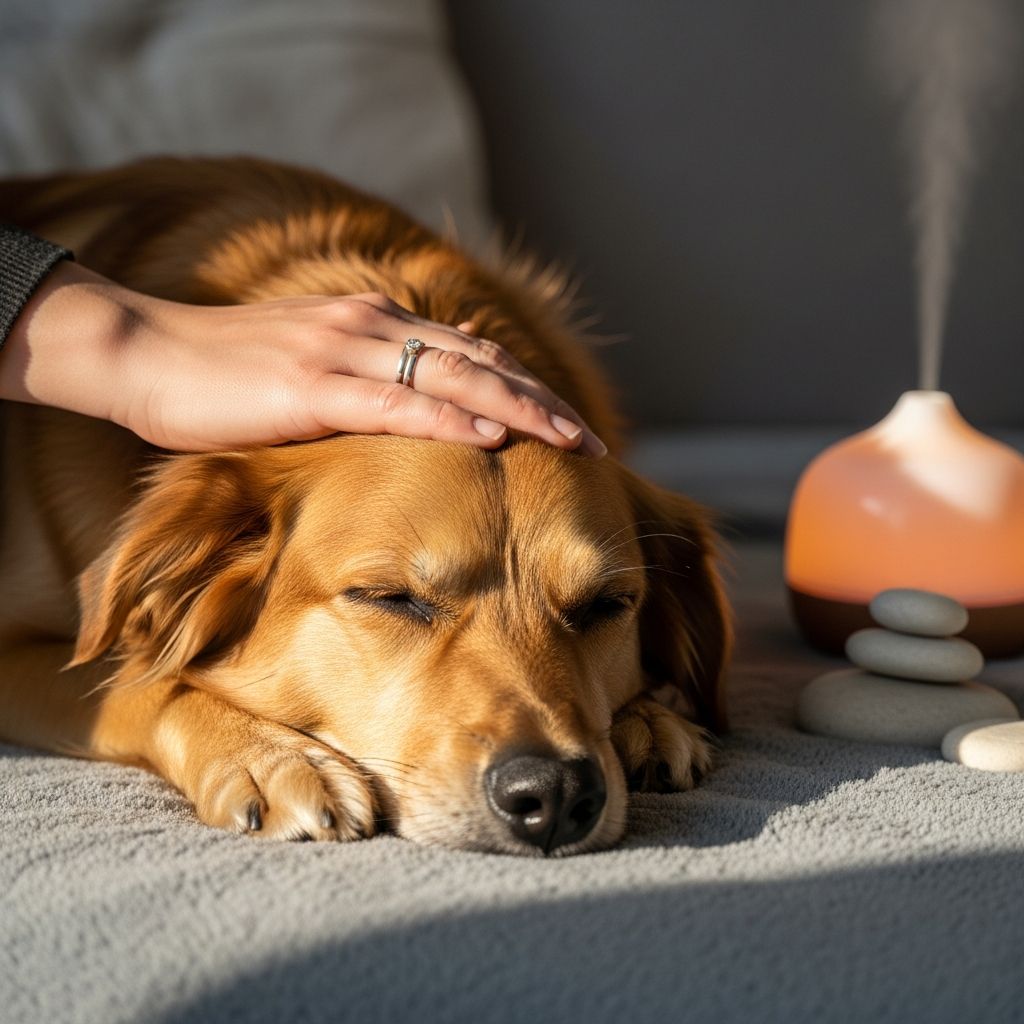
Dogs often face anxiety from thunderstorms, separation, or travel, leading to distress for both pet and owner. Effective management combines natural aids, behavioral strategies, and medications tailored to severity.
Recognizing Anxiety in Dogs
Anxiety manifests as panting, pacing, whining, destructive chewing, or hiding. Common triggers include loud noises, being left alone, or new environments. Early identification allows timely intervention to prevent escalation.
- Noise phobias: Fireworks or thunder cause trembling and escape attempts.
- Separation anxiety: Howling or house soiling when owners leave.
- Situational stress: Vet visits or car rides provoke panic.
Consult a vet to rule out medical causes like pain before starting calming protocols.
Natural Calming Treats and Supplements
Over-the-counter options provide mild relief without prescriptions, ideal for low-level stress. These leverage ingredients promoting relaxation via brain chemistry or gut health.
| Ingredient | Benefits | Best For |
|---|---|---|
| L-Theanine | Promotes alpha brain waves for calm without drowsiness | Daily mild anxiety |
| L-Tryptophan | Boosts serotonin production for mood stabilization | Hyperactivity or stress |
| Chamomile | Soothes digestion and nerves | Stomach-related anxiety |
| Valerian Root | Mild sedative effect | Acute stress events |
| CBD (Hemp) | Lowers cortisol levels | General relaxation |
| Melatonin | Regulates sleep cycles | Nighttime anxiety |
Probiotics support gut-brain axis, reducing stress behaviors over time. Start with low doses to monitor tolerance, giving treats 30-60 minutes before triggers.
Prescription Medications for Moderate to Severe Anxiety
For persistent issues, vets prescribe FDA-approved or off-label drugs. These target neurotransmitters like serotonin and GABA for deeper calming.
FDA-Approved Options
- Clomipramine (Clomicalm): Tricyclic antidepressant for separation anxiety. Increases serotonin and norepinephrine; full effect in 4-6 weeks, dosed 1-3 mg/lb twice daily.
- Fluoxetine (Reconcile): SSRI elevating serotonin for chronic anxiety. Daily use, effects in 4-6 weeks; taper off gradually.
- Dexmedetomidine (Sileo): For noise aversion; oral gel depresses brain activity for quick relief during events.
Off-Label Medications
Human drugs used extra-label under vet supervision:
- Alprazolam (Xanax): Benzodiazepine for situational fears like storms; fast-acting (30-60 min), short-term use.
- Amitriptyline: Tricyclic for generalized anxiety; twice daily, taper after weeks.
- Buspirone: Activates serotonin/dopamine; up to 6 weeks for effect, 2-3 times daily.
- Trazodone: SARI for sedation and anti-anxiety; quick for predictable stressors.
- Gabapentin: Multi-use for anxiety, pain, sedation.
Never stop long-term meds abruptly to avoid withdrawal.
Non-Pharmacological Aids
Enhance treatments with these tools:
- Pheromone diffusers: Mimic calming maternal scents.
- Thundershirts: Pressure wraps simulate swaddling.
- Behavioral training: Desensitization and counter-conditioning build confidence.
Combine with meds for optimal results; SSRIs alone are less effective without training.
Choosing the Right Approach
Match solutions to anxiety type:
| Anxiety Type | Recommended First-Line | Advanced Option |
|---|---|---|
| Mild/Daily | Treats with L-theanine, probiotics | Supplements + training |
| Situational (e.g., storms) | Sileo, Alprazolam, CBD | Trazodone |
| Chronic/Separation | Clomicalm, Reconcile + behavior mod | Combine SSRIs |
Monitor for side effects like sedation or GI upset; adjust with vet input.
Step-by-Step Management Plan
- Observe and log anxiety triggers/patterns.
- Try OTC treats for 1-2 weeks.
- Consult vet for exam and prescription if needed.
- Implement training alongside meds.
- Reassess every 4-6 weeks; taper as behavior improves.
Consistency yields best outcomes.
Frequently Asked Questions (FAQs)
Are calming treats safe for all dogs?
Generally yes for healthy dogs, but check for allergies (e.g., chamomile). Avoid in puppies under 8 weeks or with liver issues.
How quickly do anxiety meds work?
Fast-acting like Sileo or Xanax: 30-60 min. Long-term like Clomicalm: 4-6 weeks.
Can I use CBD with prescriptions?
Consult vet; potential interactions with liver-metabolized drugs.
What if meds don’t help?
Combine with professional behaviorist; reassess diagnosis.
Is weaning off meds necessary?
Yes for long-term use to prevent rebound anxiety.
Long-Term Strategies for a Calmer Dog
Build resilience through exercise, routine, and enrichment. Puzzle toys and scent work distract from stress. Regular vet check-ins ensure holistic care.
(Word count: 1678)
References
- 10 Medications for Dog Anxiety: Managing Your Dog’s … – PetMD — PetMD. 2023. https://www.petmd.com/dog/behavior/10-medications-dog-anxiety
- Anxiety Pills for Dogs: Vet-Approved Medications & Safe Calming … — DoctorSolve. 2024. https://www.doctorsolve.com/blog/anxiety-pills-for-dogs/
- Dog Sedatives: When and How to Use Them | Bond Vet — Bond Vet. 2023. https://bondvet.com/blog/dog-sedative
- Treats And Medications that Calm Your Dog – Whole Dog Journal — Whole Dog Journal. 2023. https://www.whole-dog-journal.com/behavior/treats-and-medications-that-calm-your-dog/
- Dog Calming Treats: Uses and Alternatives – American Kennel Club — AKC. 2024. https://www.akc.org/expert-advice/health/dog-calming-treats/
Similar Articles








Read full bio of Sneha Tete




