Calming Medications for Anxious Dogs
Complete guide to prescription and OTC anxiety treatments for dogs
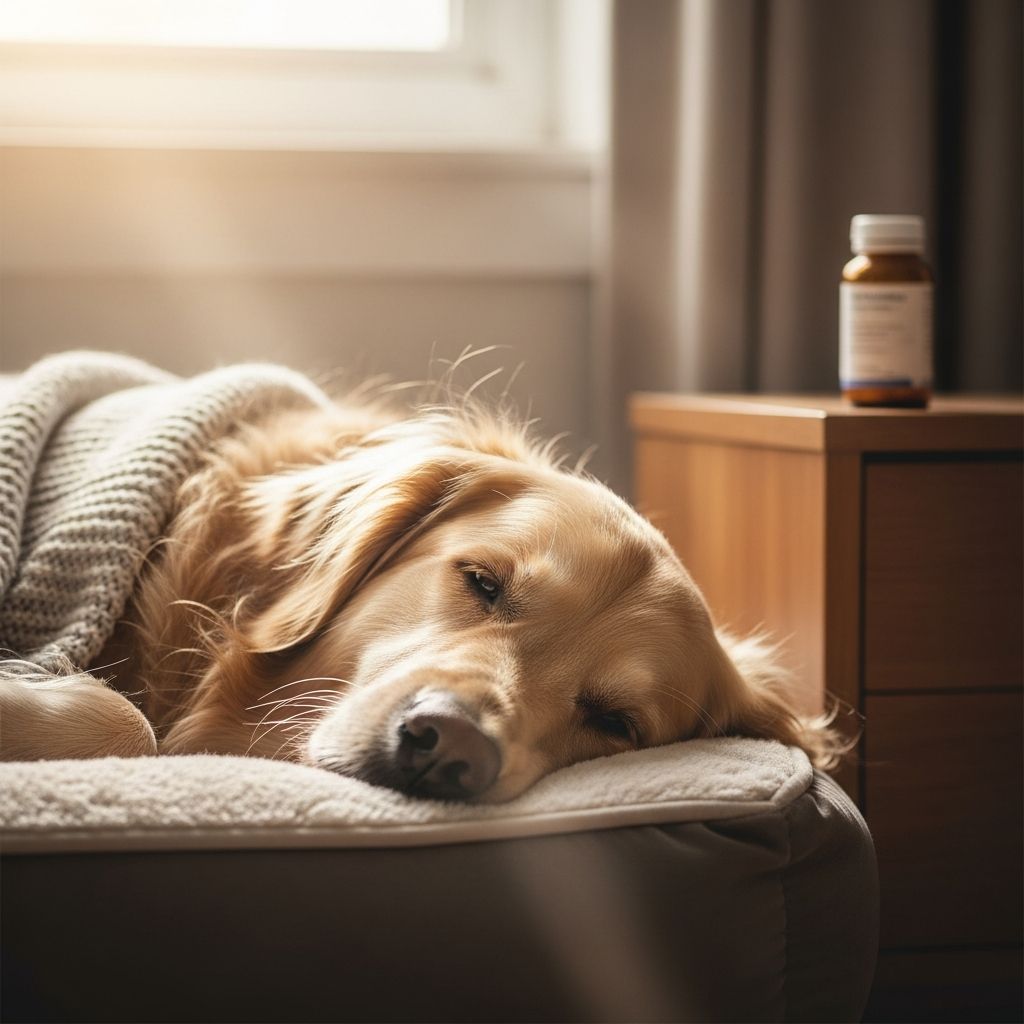
Anxiety in dogs is a common behavioral challenge that affects quality of life for both pets and their owners. While training and environmental modifications form the foundation of anxiety management, pharmaceutical interventions play a crucial role in helping dogs overcome fear-based responses, panic episodes, and stress-related behaviors. Medications designed to reduce anxiety work by modulating neurochemical pathways in the brain, allowing dogs to remain calm enough to participate in behavioral modification programs and daily activities without distress.
How Anxiety Medications Function in Canine Brains
Anxiolytic medications operate through different mechanisms, each targeting specific neurotransmitter systems responsible for regulating mood and emotional responses. Understanding these mechanisms helps explain why different drugs work better for different types of anxiety and why some require time to build effectiveness while others work rapidly.
The brain’s natural communication system relies on chemical messengers called neurotransmitters. Two primary neurotransmitters involved in anxiety regulation are serotonin and norepinephrine. When these chemicals become imbalanced, anxiety symptoms intensify. Additionally, the brain contains receptors that respond to other signaling molecules, and medications can target these receptors to produce calming effects.
Long-Acting Serotonin-Based Treatments
Selective Serotonin Reuptake Inhibitors (SSRIs) represent a major class of anxiety medications prescribed for dogs with chronic anxiety conditions. These medications work by preventing the reabsorption of serotonin in the brain, allowing this mood-regulating chemical to remain active longer and in greater concentrations.
Fluoxetine for Behavioral Concerns
Fluoxetine, available under brand names Reconcile and Prozac, stands as one of the most frequently prescribed options for managing separation anxiety and related behavioral problems in dogs. The FDA approved Reconcile specifically for canine separation anxiety, making it a first-line choice for many veterinarians. Fluoxetine addresses not only anxiety but also aggression, compulsive behaviors, and excessive fear responses.
The medication requires patience, as full effectiveness typically emerges after four to six weeks of consistent administration. Some dogs may show modest improvement within two to four weeks, but reaching maximum therapeutic benefit demands continuation through the initial adjustment period. Because of this delayed onset, veterinarians frequently combine fluoxetine with faster-acting medications during the early treatment phase.
Dosing typically ranges from one to two milligrams per pound of body weight, administered once daily in the morning. Fluoxetine comes in chewable tablets that most dogs accept readily, simplifying administration compared to traditional pills.
Sertraline as an Alternative SSRI
Sertraline, commonly known as Zoloft, offers another SSRI option when fluoxetine proves ineffective or produces undesirable side effects. This medication increases serotonin availability through the same mechanism as fluoxetine but may work better for specific dogs due to individual neurochemical variations. Like fluoxetine, sertraline requires four to six weeks to reach full effect and suits long-term anxiety management rather than acute situational anxiety.
Paroxetine and Other SSRI Variants
Paroxetine, marketed as Paxil, represents another SSRI choice available to veterinarians when treating generalized anxiety in dogs. While less commonly prescribed than fluoxetine or sertraline, paroxetine provides an additional option when other SSRIs fail to produce desired results.
Tricyclic Antidepressants for Targeted Anxiety Types
Tricyclic Antidepressants (TCAs) comprise a distinct medication class that affects multiple neurotransmitter systems simultaneously, making them particularly effective for specific anxiety presentations. Unlike SSRIs that primarily target serotonin, TCAs influence both serotonin and norepinephrine levels, producing broader neurochemical effects.
Clomipramine for Separation Distress
Clomipramine, available as Clomicalm, holds FDA approval specifically for treating separation anxiety in dogs. This tricyclic antidepressant increases the brain’s levels of both serotonin and norepinephrine, which work together to elevate mood and suppress panic responses.
Clomipramine reaches maximum effectiveness after three to four weeks of daily administration, though some dogs may show initial improvement within two weeks. Typical dosing ranges from one to three milligrams per pound of body weight, administered twice daily. The medication works particularly well for repetitive behaviors and obsessive-compulsive tendencies alongside separation anxiety.
Amitriptyline for Broader Anxiety Management
Amitriptyline, marketed as Elavil, serves as an alternative tricyclic antidepressant option when clomipramine is unavailable or produces intolerable side effects. This medication follows similar neurochemical pathways and provides comparable benefits for daily anxiety management through enhanced serotonin and norepinephrine activity.
Fast-Acting Medications for Acute Anxiety Episodes
When dogs face predictable anxiety-triggering events such as thunderstorms, fireworks displays, or veterinary appointments, rapid-acting medications provide immediate relief without requiring weeks of buildup.
Benzodiazepines for Emergency Anxiety Relief
Benzodiazepines represent the fastest-acting class of anti-anxiety medications, producing noticeable calming effects within 30 to 60 minutes. These medications work by enhancing the brain’s natural inhibitory mechanisms, essentially dampening overactive neural firing that produces anxiety symptoms.
Alprazolam, commonly known as Xanax, achieves peak effectiveness within 30 to 60 minutes and can be administered up to four times daily if needed. Veterinarians recommend giving alprazolam at the earliest sign of anxiety or, ideally, 30 to 60 minutes before exposure to known anxiety triggers. Dosing typically ranges from 0.01 to 0.05 milligrams per pound of body weight.
Lorazepam, marketed as Ativan, functions similarly to alprazolam with onset occurring approximately 30 minutes after administration. This short-acting medication suits situational use for phobias, fear responses, and panic disorders. Whenever possible, veterinarians recommend administering lorazepam before anxiety-inducing events rather than waiting until the dog shows active distress.
Diazepam, known as Valium, provides another benzodiazepine option with onset within 30 to 60 minutes. Dosing ranges from 0.25 to 1 milligram per pound of body weight, with veterinarians typically starting at the lowest effective dose and adjusting based on response.
Important Benzodiazepine Considerations
Benzodiazepines require careful management to prevent dependency and adverse effects. When long-term benzodiazepine use becomes necessary, dogs should never stop the medication abruptly. Sudden discontinuation can produce severe withdrawal effects and rebound anxiety. Veterinarians must carefully taper benzodiazepines under their supervision, gradually reducing doses over time to allow the brain to readjust.
Specialized Anxiety Medications
Trazodone for Moderate Anxiety Relief
Trazodone serves as a versatile medication for moderate anxiety management that bridges the gap between fast-acting and long-acting options. This antidepressant provides mild sedation alongside anxiety reduction, making it useful for situational anxiety or as an adjunct to daily medications.
Trazodone typically takes effect within one to two hours and can be used either situationally or as part of a comprehensive medication regimen. Veterinarians frequently combine trazodone with gabapentin for enhanced effect during predictable stressful events.
Buspirone for Generalized Anxiety
Buspirone, an azapirone class medication, works specifically on serotonin receptors to reduce anxiety without producing sedative effects. This makes buspirone particularly suitable for dogs requiring anxiety management while maintaining alertness and activity levels.
Unlike benzodiazepines that work quickly, buspirone requires regular administration over one to two weeks to reach full effectiveness. It works best for generalized anxiety, fear-based behaviors, and noise-related phobias. The lack of sedative properties makes buspirone an attractive choice for working dogs or those whose owners prefer maintaining normal activity levels during treatment.
Dexmedetomidine for Noise-Triggered Fear
Dexmedetomidine, marketed as Sileo, represents the first FDA-approved medication specifically designed for treating noise-aversion anxiety in dogs. This alpha-2 adrenoceptor agonist works by depressing activity in specific brain regions, producing profound relaxation and anxiety reduction.
Sileo provides rapid onset, with effectiveness typically appearing within minutes, making it ideal for dogs with storm phobias or fireworks anxiety. The medication comes in a proprietary gel formulation applied between the cheek and gum, where it absorbs through the mucous membranes for quick effect.
Supplementary Anti-Anxiety Agents
Gabapentin for Calming Support
Gabapentin frequently appears in combination anxiety treatment regimens due to its mild sedative properties and rapid onset. This medication blocks specific biochemical channels in the brain, calming overstimulated neurons and reducing anxiety sensations.
Gabapentin takes effect within one to two hours and maintains effectiveness for six to eight hours. The wide dose range allows veterinarians to start conservatively and increase gradually based on the dog’s response. Because of its rapid onset and limited duration, gabapentin works well as a situational medication or as part of multimodal treatment approaches combining several agents.
Antihistamines for Mild Anxiety
Diphenhydramine, commonly known as Benadryl, offers an over-the-counter option for managing situational anxiety such as fireworks or thunderstorm-related stress. This antihistamine produces mild sedative effects alongside anxiety reduction, making it suitable for dogs with mild to moderate situational anxiety.
Natural and Botanical Supplements
Beyond pharmaceutical options, certain botanical compounds show promise in anxiety management. Solliquin, containing magnolia officinalis and phellodendron amurense extracts, demonstrated approximately 85% success rates in a small clinical study of 21 dogs with anxiety over a six-week period. These herbal formulations come in palatable chewable tablets that most dogs accept readily.
Medication Interaction Precautions
Veterinarians must carefully consider drug interactions when prescribing anxiety medications. Combining two SSRIs simultaneously or mixing SSRIs with tricyclic antidepressants risks development of serotonin syndrome, a potentially serious condition where excessive serotonin activity causes harmful neurological effects.
If the first SSRI medication fails to produce desired results, veterinarians must carefully taper the dog off the initial medication before introducing a different SSRI. Similarly, using multiple tricyclic antidepressants concurrently creates safety concerns, and tricyclic antidepressants should never be combined with SSRIs.
Benzodiazepines can be safely combined with SSRIs or TCAs during the initial treatment period when waiting for long-acting medications to reach full effectiveness. This combination approach provides immediate symptom relief while long-acting medications gradually build therapeutic levels in the bloodstream.
Selecting the Right Medication for Your Dog
Choosing appropriate anxiety medication requires careful consideration of the anxiety type, its triggers, the dog’s individual health status, and previous medication responses. Dogs with chronic generalized anxiety or separation anxiety benefit from long-acting medications like SSRIs or TCAs that provide consistent daily relief.
Dogs facing predictable anxiety-triggering events benefit more from fast-acting medications administered specifically before exposure to stressors. Combining approaches often proves most effective, with long-acting medications providing baseline management and fast-acting medications providing additional relief during particularly stressful situations.
Individual dog variability means medication effectiveness cannot be predicted with certainty. Veterinarians may need to trial several medications before identifying the optimal choice for a specific dog.
Frequently Asked Questions
How long does it take for anxiety medication to work in dogs?
Timeline depends on medication class. Fast-acting benzodiazepines and dexmedetomidine work within 30 minutes to one hour. Trazodone and gabapentin reach peak effect within one to two hours. Long-acting SSRIs and tricyclic antidepressants require three to six weeks to reach maximum effectiveness.
Can dogs become dependent on anxiety medications?
Benzodiazepines can produce dependence with long-term use, requiring careful tapering under veterinary supervision when discontinuing. SSRIs and TCAs typically do not produce physical dependence and can usually be discontinued without tapering, though veterinarian guidance remains important.
What are common side effects of canine anxiety medications?
SSRIs may cause anorexia, vomiting, or diarrhea. Benzodiazepines can produce excessive sedation or paradoxical agitation in some dogs. Tricyclic antidepressants may cause dry mouth or urinary retention.
Should medication be combined with behavior training?
Medications work best as part of comprehensive treatment plans including behavior modification, environmental management, and training strategies. Medication alone provides symptom relief but does not address underlying anxiety causes.
References
- What’s important to know about treating dogs with anxiety — SingleCare. Accessed 2026. https://www.singlecare.com/blog/dog-anxiety-medication/
- The Pet Parent’s Guide to Anti-anxiety Treatment for Dogs — Mixlab. Accessed 2026. https://mixlab.com/blog/anti-anxiety-treatment-for-dogs
- 10 Medications for Dog Anxiety: Managing Your Dog’s Behavior — PetMD. Accessed 2026. https://www.petmd.com/dog/behavior/10-medications-dog-anxiety
- Anti-Anxiety Medications for Dogs — Whole Dog Journal. Accessed 2026. https://www.whole-dog-journal.com/care/anti-anxiety-medications-for-dogs/
- Anxiety Pills for Dogs: Vet-Approved Medications & Safe Calming Solutions — DoctorSolve. Accessed 2026. https://www.doctorsolve.com/blog/anxiety-pills-for-dogs/
- A review of pre-appointment medications to reduce fear and anxiety in dogs and cats — National Center for Biotechnology Information (NCBI/PMC). Accessed 2026. https://pmc.ncbi.nlm.nih.gov/articles/PMC8360309/
- Antianxiety Medications — Best Friends Veterinary Center. Accessed 2026. https://bestfriendsvet.com/library/antianxiety-medications/
Similar Articles








Read full bio of medha deb