Calming Itchy Dogs with Behavior Strategies
Discover effective behavior techniques to reduce scratching in dogs with chronic itch, complementing medical treatments for lasting relief.

Dogs that excessively scratch, lick, or chew their skin often suffer from pruritus, a condition driven by underlying medical issues like allergies or parasites, but worsened by habitual behaviors. Behavior modification plays a key role in interrupting the itch-scratch cycle, allowing skin to heal while addressing root causes through veterinary care.
Understanding the Roots of Persistent Itching in Dogs
Pruritus in dogs stems from various triggers that inflame the skin and provoke scratching. Environmental allergens such as pollen, dust mites, and mold are primary culprits, leading to seasonal or year-round discomfort affecting paws, belly, and ears.
Food sensitivities to proteins like beef or dairy can cause similar symptoms, often concentrated around the face and paws. Parasites including fleas, ticks, and mites introduce saliva or bites that trigger intense reactions, while bacterial or yeast infections in moist areas exacerbate the problem.
Dry skin from low humidity, frequent baths, or poor diet contributes to flakiness and irritation, and hormonal imbalances may lead to chronic issues like thinning fur. Contact irritants from cleaners or shampoos cause localized itching. Recognizing these helps tailor interventions.
Signs Your Dog’s Itching Needs Attention
Watch for red, inflamed skin, hair loss, odor, or wounds from self-trauma. Dogs may lick paws obsessively, rub against furniture, or shake their heads due to ear involvement. Seasonal patterns suggest environmental allergies, while constant symptoms point to food or parasites.
- Red paws or armpits from allergies
- Chewing at flanks or tail base from fleas
- Flaky skin in dry conditions
- Bad smell from yeast infections
Early detection prevents secondary infections that prolong discomfort.
Medical Foundations Before Behavior Changes
Behavior strategies amplify veterinary treatments. Allergies may require oclacitinib (Apoquel) or lokivetmab (Cytopoint) injections targeting itch cytokines like IL-31. Parasite control uses prescription preventives, and infections need antimicrobials.
Antihistamines offer limited relief for canine allergies, unlike in humans. Diets with omega-3s or hypoallergenic formulas address food issues. Always consult a vet for diagnosis via skin scrapes, cytology, or allergy tests.
Breaking the Itch-Scratch Cycle Through Training
Habitual scratching reinforces skin damage, creating a vicious cycle. Redirecting behaviors reduces trauma, promoting healing. Start with environmental management: use cone collars or soft shirts to block access temporarily, weaning off as habits change.
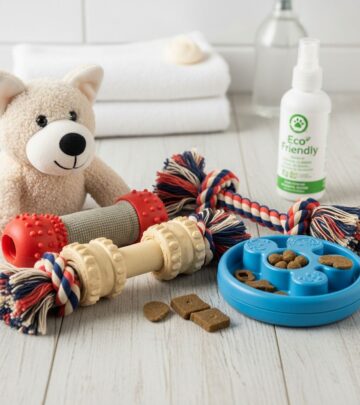
Positive reinforcement trains alternatives. Reward calm sitting with treats when itch urges arise, using high-value rewards like chicken bits. Consistency is vital; family members must participate.
| Behavior Issue | Strategy | Expected Outcome |
|---|---|---|
| Paw Licking | Offer chew toy on cue “settle” | Reduced licking by 50% in weeks |
| Flank Scratching | Lead to mat with “go to mat” | Diverted energy to relaxation |
| Rubbing on Furniture | Interrupt with “leave it”, redirect to bed | Less furniture damage |
Desensitization Techniques for Allergy-Prone Dogs
For environmental triggers, gradual exposure desensitizes responses. Pair low-level allergens (e.g., mild pollen walks) with rewards, building tolerance. Vet-supervised immunotherapy shots provide long-term relief for atopy.
Counter-conditioning shifts emotional associations: during itch times, engage in play or training sessions to replace scratching with fun activities.
Environmental Adjustments to Minimize Triggers
Reduce allergens by frequent vacuuming, HEPA filters, and hypoallergenic bedding. Bathe weekly with oatmeal shampoos for moisture, avoiding over-bathing. Flea preventives year-round prevent infestations.
Humidifiers combat dry skin, and omega supplements support barrier function. These changes lessen itch intensity, making behavior mods more effective.
Stress Reduction as an Itch Ally
Anxiety amplifies perceived itch. Daily exercise, puzzle toys, and pheromone diffusers calm nerves. Massage affected areas gently post-vet approval to soothe without scratching.
Mindfulness training like short “stay” sessions builds impulse control, applicable to itch resistance.
Tracking Progress and When to Escalate
Log scratching episodes daily to measure improvement. Apps or journals note triggers, severity, and responses to interventions. If no change in 2 weeks, revisit vet for advanced diagnostics like biopsies.
Holistic Approaches Complementing Behavior
Aromatherapy with vet-safe lavender calms, and acupuncture shows promise for chronic cases. Always integrate with proven meds.
FAQs
What causes most dog itching cases?
Environmental allergies and fleas top the list, affecting skin via inflammation.
Are home remedies enough?
They provide temporary relief; vet diagnosis is essential for persistent issues.
How long until behavior training works?
Visible changes in 1-4 weeks with consistency, faster alongside meds.
Can diet fix itching?
Hypoallergenic trials help food allergies, but test under vet guidance.
Is Cytopoint safe long-term?
Yes, it targets itch specifically with a strong safety profile.
References
- Why Is My Dog So Itchy? Possible Causes & Treatment — American Kennel Club. 2023-10-15. https://www.akc.org/expert-advice/health/why-is-my-dog-so-itchy/
- Dog Scratching a Lot? Identify the Causes and Fix Them Fast — Topaz Veterinary. 2024-05-20. https://www.topazvet.com/dog-scratching-causes-allergies-and-flea-solutions/
- The Main Causes of Itchy Skin in Dogs and How to Treat It — The Complete Pet Animal Hospital. 2024-02-10. https://www.thecompletepetanimalhospital.com/blog/the-main-causes-of-itchy-skin-in-dogs-and-how-to-treat-it
- Why Is My Dog So Itchy? 5 Causes of Itchiness in Dogs — GoodRx. 2024-08-12. https://www.goodrx.com/pet-health/dog/why-is-my-dog-so-itchy
- Itch in dogs and cats — PMC – NIH (gov). 2023-06-01. https://pmc.ncbi.nlm.nih.gov/articles/PMC10286147/
- Pruritus – Itching and Scratching in Dogs — VCA Animal Hospitals. 2024-11-05. https://vcahospitals.com/know-your-pet/pruritus-itching-and-scratching-in-dogs
Similar Articles






Read full bio of Sneha Tete