

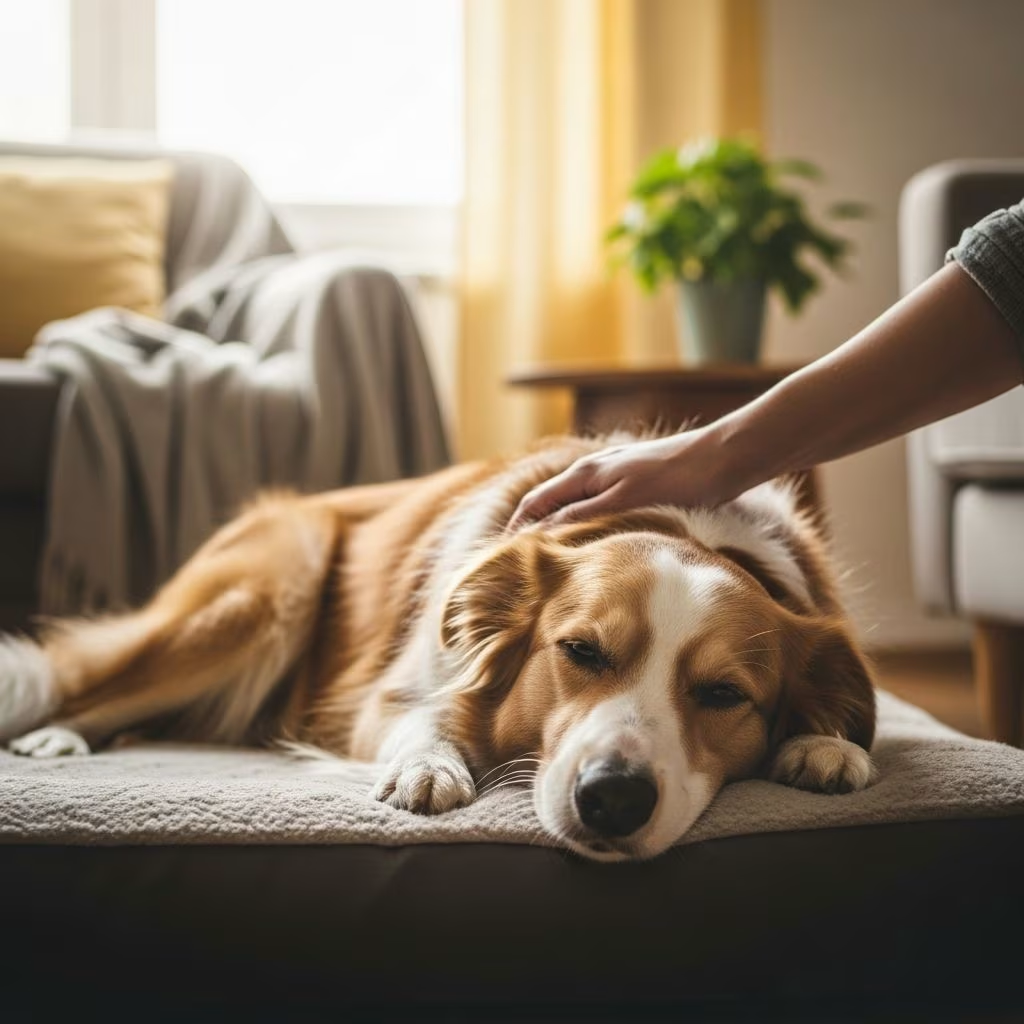
Heartworm treatment demands strict rest for dogs, especially those with boundless energy, to prevent deadly complications from dying parasites. This guide outlines practical, vet-endorsed methods to maintain calmness while addressing mental needs.
The Critical Need for Rest in Heartworm Recovery
Heartworm disease, caused by Dirofilaria immitis parasites, lodges in a dog’s pulmonary arteries and right ventricle, potentially leading to heart failure if untreated. Treatment involves injecting melarsomine to kill adult worms, but as they die and fragment, physical exertion can dislodge pieces into lungs or brain vessels, causing clots or strokes. The American Heartworm Society stresses exercise restriction starting one month before injections through two months post-treatment to minimize these risks.
High-energy breeds like Border Collies or Labrador Retrievers face unique challenges, as their natural drive for play conflicts with bed rest mandates. Ignoring restrictions heightens permanent lung and heart damage, particularly in advanced cases. Veterinary protocols, such as the three-dose melarsomine series, succeed in 95% of cases when rest is followed rigorously.
Establishing a Structured Daily Routine
Begin recovery management by mapping your dog’s typical schedule. Note peak activity windows—like morning zoomies or post-meal excitement—to preemptively substitute with low-impact alternatives. A written log helps the whole family align, ensuring consistent enforcement.
- Identify nap times and leverage them for household quiet periods.
- Plan interventions for high-energy slots, such as replacing fetch with puzzle toys.
- Adjust feeding to calmer hours, avoiding overstimulation from rapid meals.
This proactive approach prevents accidental excitement, making compliance easier across the household.
Safe Environmental Adjustments for Tranquility
Modify your home to naturally curb activity. Remove triggers like toys or balls from sight, storing them until vet clearance. Designate a quiet rest zone away from doors or windows where external stimuli like squirrels or passersby could provoke barking or jumping.
| Area | High-Risk Setup | Safe Alternative |
|---|---|---|
| Entryways | Open access leading to dashes | Gated off with supervised passes |
| Furniture | Free jumping on/off couches | Ramps or no-access rule |
| Backyard | Unleashed potty runs | Leashed, brief outings only |
Decide on furniture policies upfront: some dogs tolerate gentle access without heart rate spikes, but monitor closely and redirect promptly. Crate training in a peaceful spot reinforces boundaries without isolation.
Mental Enrichment Without Physical Strain
Rest doesn’t mean boredom, which fuels restlessness. Focus on brain games that tire the mind minus movement. Veterinary behaviorists recommend scent work, food puzzles, and training for cognitive engagement.
Chewing and Foraging Solutions
Provide durable, safe chews like antlers or rubber toys stuffed with kibble. Rotate options to sustain interest, channeling innate chewing urges productively. Snuffle mats or stuffed Kongs mimic foraging, extending mealtimes into 20-30 minute sessions.
Training Low-Impact Commands
Teach “settle,” “quiet,” or “place” using treats without motion. Short, 2-5 minute sessions reward stillness, building impulse control applicable post-recovery.
Sensory Stimulation Techniques
Play calming music, nature sounds, or dog-specific TV channels featuring animals. These provide auditory companionship, reducing stress from isolation. Gentle massages on back, hips, and legs alleviate bed sores and promote relaxation—use slow strokes for 10 minutes daily.
Controlled Outdoor Protocols
Potty breaks must be leashed and minimal: 5-minute maximum, no sniffing marathons or chases. Walk slowly if vet-approved later in recovery, capping at 10 minutes, 3-4 times daily. Avoid off-leash entirely to prevent bolting.
Stationary games like rolling a ball under a blanket for nose work keep engagement local. Hide treats in blankets or boxes for search games confined to the rest mat.
Nutrition and Medication Support
Prolong feeding with puzzle dispensers to occupy time. If appetite wanes from meds like doxycycline or steroids, offer bland homemade meals temporarily—boiled chicken and rice—to entice eating without digestive upset.
Monitor for treatment side effects: lethargy post-injection is normal for 1-3 days, but persistent issues warrant vet contact. Steroids may curb inflammation but require strict rest adherence.
Family and Multi-Dog Household Strategies
In homes with multiple pets, separate during high-excitement times. Use baby gates to block play views, preventing arousal from observing others romp. Educate children on no roughhousing rules, turning supervision into a family effort.
Whole-house commitment amplifies success: consistent messaging prevents mixed signals that confuse the patient.
Monitoring Progress and Vet Follow-Ups
Track heart rate if possible, aiming below 120 bpm at rest. Note any coughing, gagging, or refusal to eat as red flags. Antigen tests may remain positive for months post-treatment due to residual antigens, not live worms—confirm via ultrasound if concerned.
Follow-up x-rays and bloodwork at 6-12 months verify clearance. Success hinges on 100% prevention post-recovery: monthly topicals or orals year-round.
Common Challenges and Solutions
- Begging for Play: Ignore initially, reward calm with praise/chew.
- Nighttime Restlessness: Evening puzzle before bed, blackout room.
- Escape Attempts: Secure crate with blankets for den-like security.
FAQs
How long must my dog stay restricted after heartworm treatment?
Typically 2 months post-final injection, per American Heartworm Society guidelines. Consult your vet for personalized timeline.
Can my hyper dog ever exercise again fully?
Yes, gradually after clearance. Start with short leashed walks, building over weeks.
What if my dog gets excited accidentally?
Redirect immediately to rest spot. One slip rarely causes issues, but consistency prevents patterns.
Is crate rest necessary?
Not always full-time, but recommended for supervision in active dogs.
How to prevent future heartworm infection?
Year-round preventives, tested annually. Mosquito control at home helps.
Long-Term Wellness After Recovery
Post-restriction, reintroduce fitness slowly: sniffing walks first, then fetch. Maintain mental games to curb hyperactivity long-term. Annual check-ups ensure sustained health, transforming a crisis into thriving vitality.
References
- 3 Ways To Keep Your Active Dog Calm During Heartworm Treatment — Poocho on a Couch. 2023. https://poochonacouch.com/keep-active-dog-calm-during-heartworm-treatment/
- 15 Tips on How to Keep a Hyper Dog Calm After Heartworm Treatment — Dogster. 2024. https://www.dogster.com/dog-health-care/how-to-keep-hyper-dog-calm-after-heartworm-treatment
- What to Expect After a Dog’s Heartworm Treatment — GoodRx for Pets. 2025. https://www.goodrx.com/pet-health/dog/what-to-expect-after-dog-heartworm-treatment
- Do’s and Don’ts of Exercise Restriction — American Heartworm Society. 2024. https://www.heartwormsociety.org/resources/vet/infographics/862-do-s-and-don-ts-of-exercise-restriction
- Keeping dogs mentally stimulated but physically quiet during heartworm treatment — American Heartworm Society. 2023. https://www.heartwormsociety.org/resources/vet/video/702-keeping-dogs-mentally-stimulated-but-physically-quiet-during-heartworm-treatment



