

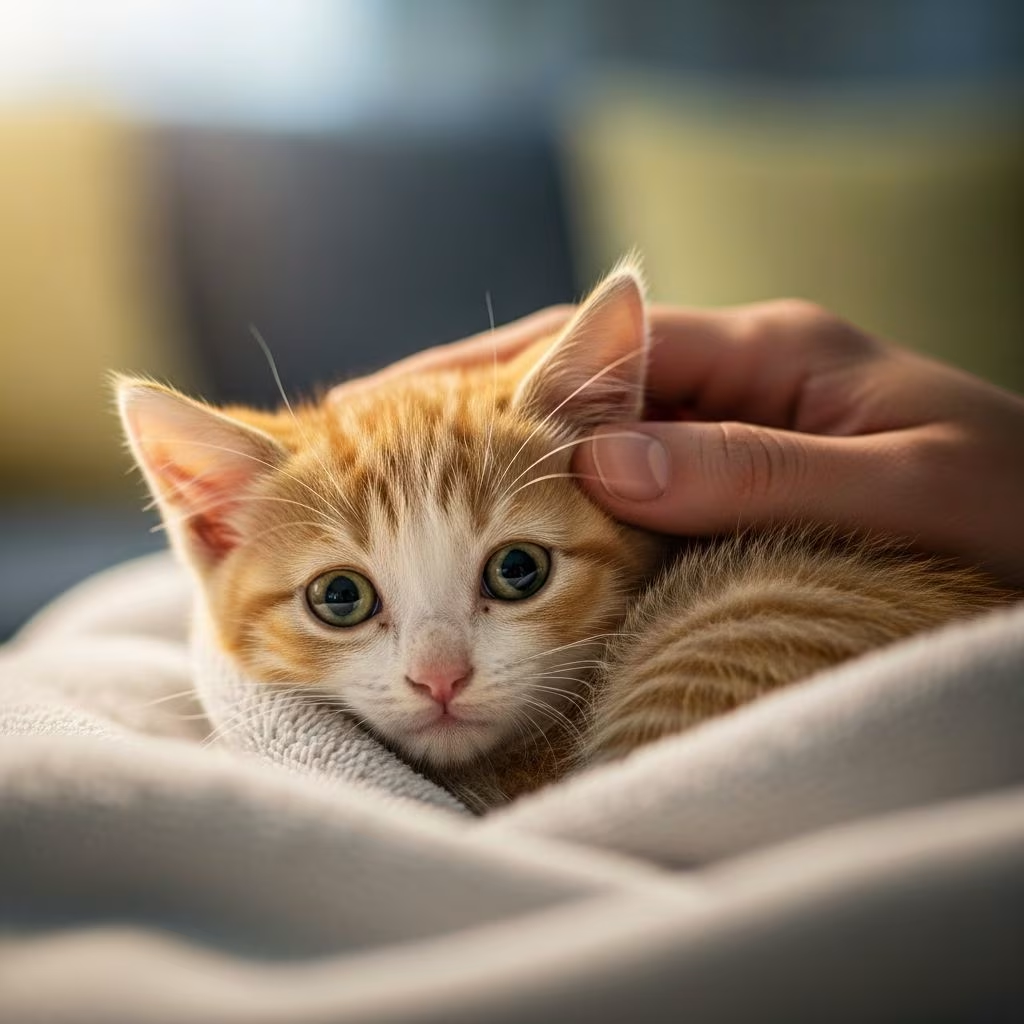
Fearful behavior in kittens often stems from early experiences or lack of exposure, but with patience and targeted approaches, you can help them feel secure and confident. This guide draws on veterinary insights to provide actionable steps for transforming a timid kitten into a bold companion.
Understanding the Roots of Kitten Fear
Kittens exhibit fear for various reasons, primarily tied to their developmental stage and past encounters. During the critical socialization period from 2 to 7 weeks, positive exposures to people, sounds, and environments build resilience, while negatives can instill lasting anxiety.
Lack of socialization leaves kittens ill-equipped for new stimuli, making everyday household noises or strangers overwhelming. Trauma from abuse or neglect associates humans with danger, prompting hiding or aggression. Health issues can amplify fear, as sick kittens instinctively seek isolation to avoid predators. Genetic factors and maternal stress during pregnancy also influence fear thresholds.
Spotting Signs of Distress in Your Kitten
Recognizing fear early prevents escalation. Common indicators include:
- Hiding in tight spaces or under furniture, signaling a need for safety.
- Body language cues like flattened ears, tucked tail, cowering, or arched back with piloerection.
- Vocalizations and actions such as hissing, growling, scratching, shaking, or fleeing.
- Aggression or submission, where fear manifests as attack or freeze responses.
Observe from afar without forcing interaction, as stress can worsen symptoms.
Building a Secure Sanctuary for Your Kitten
A dedicated safe room minimizes overwhelm. Choose a quiet, low-traffic area with essentials: food, water, litter box, and bedding. Cover potential hideouts to encourage using provided spots, and include a crate if familiar.
Enhance comfort with:
- Cozy beds or heated mats for warmth and security.
- Covered dens like boxes or blanket forts mimicking natural shelters.
- Fabric-heavy furnishings to absorb and redistribute comforting scents.
Pheromone products, such as synthetic feline facial pheromone diffusers or sprays, signal safety when applied to bedding (allow drying to avoid alcohol aversion). Low-volume classical music or cat-specific calming tracks reduces noise sensitivity.
Establishing Predictable Daily Routines
Consistency reassures kittens. Fixed schedules for feeding, play, and litter use create predictability, lowering stress.
| Daily Routine Element | Benefits | Implementation Tips |
|---|---|---|
| Mealtimes | Builds anticipation and trust | Feed at set times; use treats for positive associations |
| Play Sessions | Channels energy, boosts confidence | 10-15 minutes, 2-3 times daily with interactive toys |
| Quiet Time | Allows decompression | Dim lights, soft music post-activity |
| Socialization Exposures | Gradual habituation | Short, positive introductions to new stimuli |
Stick to this framework, adjusting based on progress.
Gentle Techniques to Earn Trust
Approach slowly without direct eye contact or looming over them. Sit at floor level, speak softly, and let the kitten initiate contact. Avoid punishment, yelling, or startling tactics, which reinforce fear.
Hand-feeding treats or wet food from a distance bridges the gap. Use long toys for petting to maintain space. Progress to brief, gentle strokes on head or cheeks once relaxed.
Harnessing Play for Confidence Building
Interactive play redirects fear into instinctual hunting, fostering endorphin release. Start with wand toys mimicking prey: subtle wiggles on the ground or air to entice without overwhelm.
End sessions positively with treats. Alternate intensities to match energy levels, pausing frequently to prevent overstimulation. Toys like feather wands teach boundaries, avoiding hand play that encourages biting.
Systematic Socialization to Prevent Phobias
Expose kittens gradually to triggers like vacuums, guests, or other pets. Begin at low intensity: distant sounds or quiet observers. Pair with rewards to countercondition fear.
If hissing occurs, retreat and reduce stimulus until calm, then retry. Persistent fear warrants professional desensitization. Daily short sessions during routine build coping skills.
Advanced Calming Aids and Environmental Tweaks
Beyond basics, consider:
- Door barriers like latches allowing kitten access to safe rooms without intruders.
- Vertical spaces: shelves or trees for observation perches.
- Scent enrichment: familiar blankets rotated to maintain novelty safely.
Monitor health; vet checks rule out pain mimicking fear.
When to Seek Professional Guidance
If fear persists after weeks of consistent efforts, consult a veterinarian or behaviorist. Signs include unrelenting hiding, aggression, or appetite loss. They may recommend medication or therapy.
Frequently Asked Questions (FAQs)
How long does it take to help a scared kitten?
Weeks to months, depending on age and history. Patience yields gradual trust.
Is my kitten scared because of me?
Often not personal; past experiences or instincts dominate. Consistent gentleness rebuilds bonds.
Can older kittens overcome fear?
Yes, though harder post-socialization window. Structured methods still work.
What if my kitten hisses during play?
Pause, redirect to toys, and shorten sessions. Builds positive associations.
Are pheromone products safe?
Yes, vet-approved synthetics mimic natural signals without side effects.
References
- Socialization and Fear Prevention in Kittens — VCA Animal Hospitals. 2023. https://vcahospitals.com/know-your-pet/socialization-and-fear-prevention-in-kittens
- Scared Kittens: How to Get Them to Trust You — Purina. 2024. https://www.purina.com/articles/cat/kitten/behavior/how-to-help-scared-kitten
- How to Help Your Scared Kitten Overcome Their Fear — Chewy. 2024. https://www.chewy.com/education/cat/training-and-behavior/help-your-scared-kitten-overcome-fear
- Shy and Fearful Cats: The Complete Guide — San Diego Humane Society. 2023. https://sdhumane.org/resources/shy-and-fearful-cats-complete/
- Socializing a Fearful Kitten — Washington County Humane Society (inferred from context). 2024. https://www.wihumane.org/socializing-fearful-kitten



