Calming Dogs During Fireworks and Storms
Effective strategies and vet-approved treatments to ease your dog's fear of loud noises from fireworks and thunderstorms.
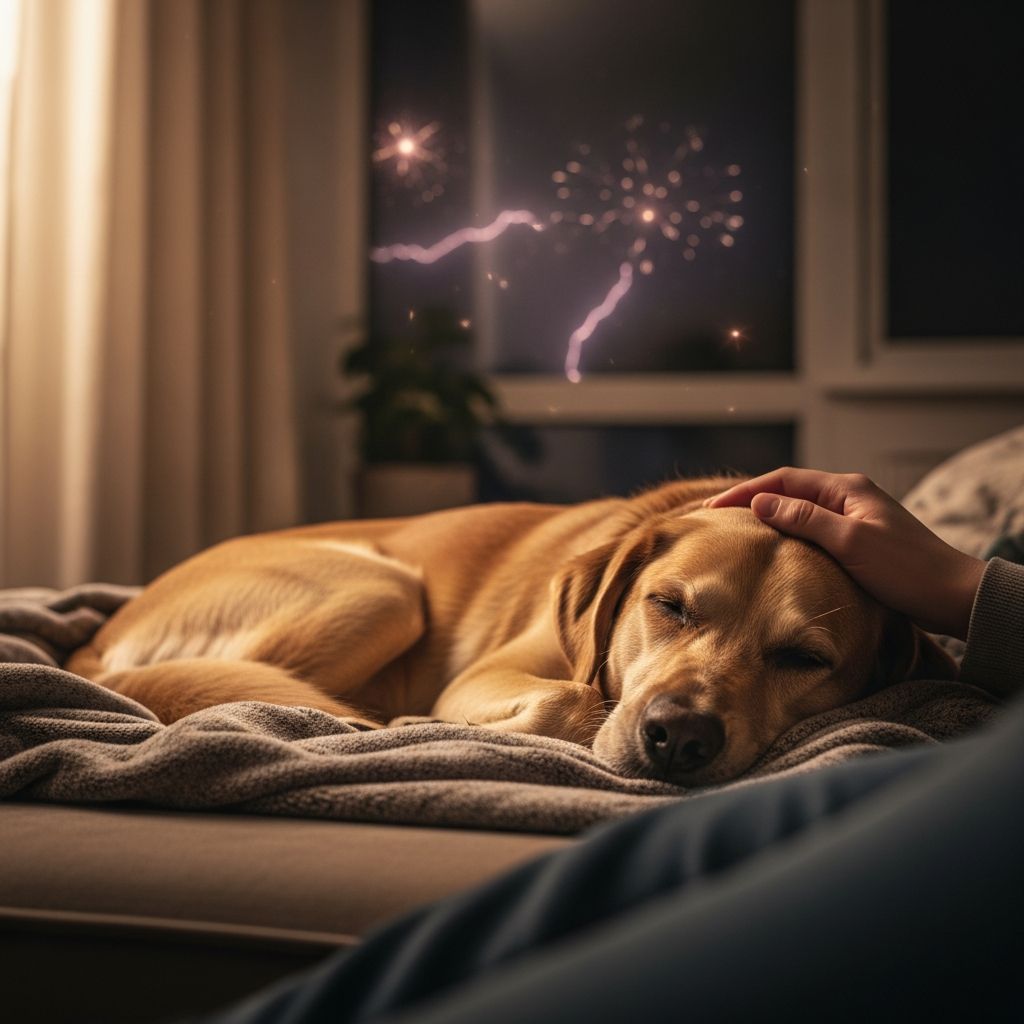
Dogs often experience intense fear from the booming sounds of fireworks and thunderstorms, leading to trembling, hiding, or attempts to escape. These reactions stem from their sensitive hearing and natural instincts, but owners can implement a range of interventions to provide relief and improve their pet’s well-being.
Recognizing Signs of Noise-Related Anxiety in Dogs
Common indicators include pacing, whining, panting, drooling, destructive behavior, or trying to flee. These phobias affect many dogs, particularly during summer holidays or stormy seasons, and can escalate without intervention. Early recognition allows for proactive management, preventing escalation to chronic stress.
Environmental Modifications for Immediate Comfort
Create a dedicated safe zone in a quiet, interior room away from windows, such as a bathroom or basement. Cover crates with blankets and add familiar bedding to mimic a den-like security. Block light flashes with closed curtains and use heavy drapes to muffle sounds.
- Play white noise machines, fans, or calming music to drown out external booms.
- Layer sounds like a fan with soft classical tracks for optimal masking, as recommended by veterinary experts.
- Secure all exits to prevent panic-induced escapes, a leading cause of lost pets during fireworks.
During events, remain composed since dogs mirror owner anxiety. Engage them gently with toys or short games if they show interest, avoiding forced interaction during peak distress.
Non-Pharmacological Aids and Tools
Several products offer drug-free support. Pheromone diffusers or collars release synthetic appeasing pheromones that mimic those from nursing mothers, promoting calm. Studies show these reduce fear signs in simulated noise scenarios.
Anxiety wraps apply gentle, constant pressure similar to swaddling, helping many dogs feel secure. Introduce these gradually during calm periods for acclimation. Static-reducing mats or capes can counter storm-related electricity buildup, which some dogs sense acutely.
| Tool | How It Helps | Best Use |
|---|---|---|
| Anxiety Wrap | Provides hugging pressure | During events, after habituation |
| Pheromone Collar | Releases calming scents | Continuous wear |
| White Noise Machine | Masks loud sounds | Pre-event setup |
Behavioral Training Techniques for Long-Term Relief
Desensitization and counter-conditioning form the foundation of phobia management. Start months ahead of peak seasons by playing low-volume recordings of fireworks or thunder paired with high-value treats and praise. Gradually increase volume while maintaining positive associations, ensuring no fear signs emerge.
- Acquire sound tracks from reliable sources.
- Begin at barely audible levels for short sessions.
- Pair exclusively with rewards; stop if anxiety appears.
- Progress slowly over weeks, consulting professionals if needed.
Train a “settle” command in the safe space using cues like specific blankets. This builds reliability, turning the area into an automatic calm zone. Combine with exercise routines: tire dogs with pre-event walks to promote rest during noises.
Prescription Medications: When and What to Use
For moderate to severe cases, veterinarians prescribe fast-acting options. Administer 30-60 minutes before anticipated noise for peak effect; timing is critical as panicked states reduce efficacy. Trial doses on quiet days identify rare paradoxical agitation, especially with benzodiazepines.
- Sileo (dexmedetomidine oral gel): FDA-approved for noise aversion; quick onset via mucous membranes.
- Alprazolam (Xanax): Rapid sedative; monitor for reverse reactions in 10% of dogs.
- Trazodone: Balances serotonin; suitable for storms or fireworks.
- Gabapentin: Calms nerves; often combined for enhanced effect.
Chronic cases benefit from daily antidepressants like fluoxetine or clomipramine, started weeks prior. These alter fear responses over time, with as-needed boosters for events. Always obtain from vets to tailor dosages by weight and health.
Preparing a Comprehensive Action Plan
Schedule vet visits 2-4 weeks before seasons. Discuss history, trial meds, and training referrals. Track responses post-event to refine strategies. For absences, arrange check-ins or use cameras. Inform guests of needs during gatherings.
Melatonin supplements offer mild, natural sedation; dose per vet guidance. Avoid over-the-counter human meds due to toxicity risks.
Potential Risks and Professional Guidance
Medications carry side effects like drowsiness or GI upset; vets minimize via precise dosing. Untreated phobias can lead to injury or worsened conditions. Seek veterinary behaviorists for resistant cases, integrating therapy with meds for superior outcomes.
Frequently Asked Questions
Can I give my dog Benadryl for fireworks anxiety?
Benadryl provides mild sedation but isn’t ideal for noise phobias. Consult vets for targeted options like trazodone instead.
How early should I start desensitization training?
Begin 3-6 months before events for gradual progress without pressure.
What if my dog has a bad reaction to medication?
Trials prevent surprises; alternatives like pheromones or wraps exist.
Is exercise enough to calm storm-phobic dogs?
Pre-event activity helps but combine with other methods for full effect.
Do pheromone products really work?
Research supports reduced fear behaviors in many dogs.
Building Resilience Year-Round
Consistent routines foster confidence. Regular training sessions reinforce calm responses beyond events. Monitor for multi-phobia overlaps, like storms plus separation. Patience yields resilient pets enjoying holidays safely.
Integrate approaches: meds for acute relief, training for permanence, environment for support. This multi-faceted strategy transforms dread into tolerance.
References
- Helping Dogs with Severe Phobias During Storms and Fireworks — VCA Animal Hospitals. 2023-05-15. https://vcahospitals.com/know-your-pet/helping-dogs-with-severe-phobias-during-storms-and-fireworks
- What Can I Give My Dog for Anxiety During Storms and Fireworks? — Embrace Pet Insurance. 2024-06-20. https://www.embracepetinsurance.com/waterbowl/article/medicating-for-storm-and-fireworks-phobia
- Thunderstorms and Fireworks: How to Calm an Anxious Pet — EMC Animal Hospital. 2023-11-10. https://www.emcanimalhospital.com/blog/thunderstorms-and-fireworks-how-to-calm-an-an-anxious-pet
- Help Fido Through Thunderstorms, Fireworks and Other Noise — University of Wisconsin School of Veterinary Medicine. 2024-07-04. https://www.vetmed.wisc.edu/help-fido-through-thunderstorms-and-fireworks/
- 9 Tips for Helping a Dog That’s Scared of Fireworks — PetMD. 2023-12-01. https://www.petmd.com/dog/tips-helping-dogs-thats-scared-fireworks
Similar Articles








Read full bio of Sneha Tete