

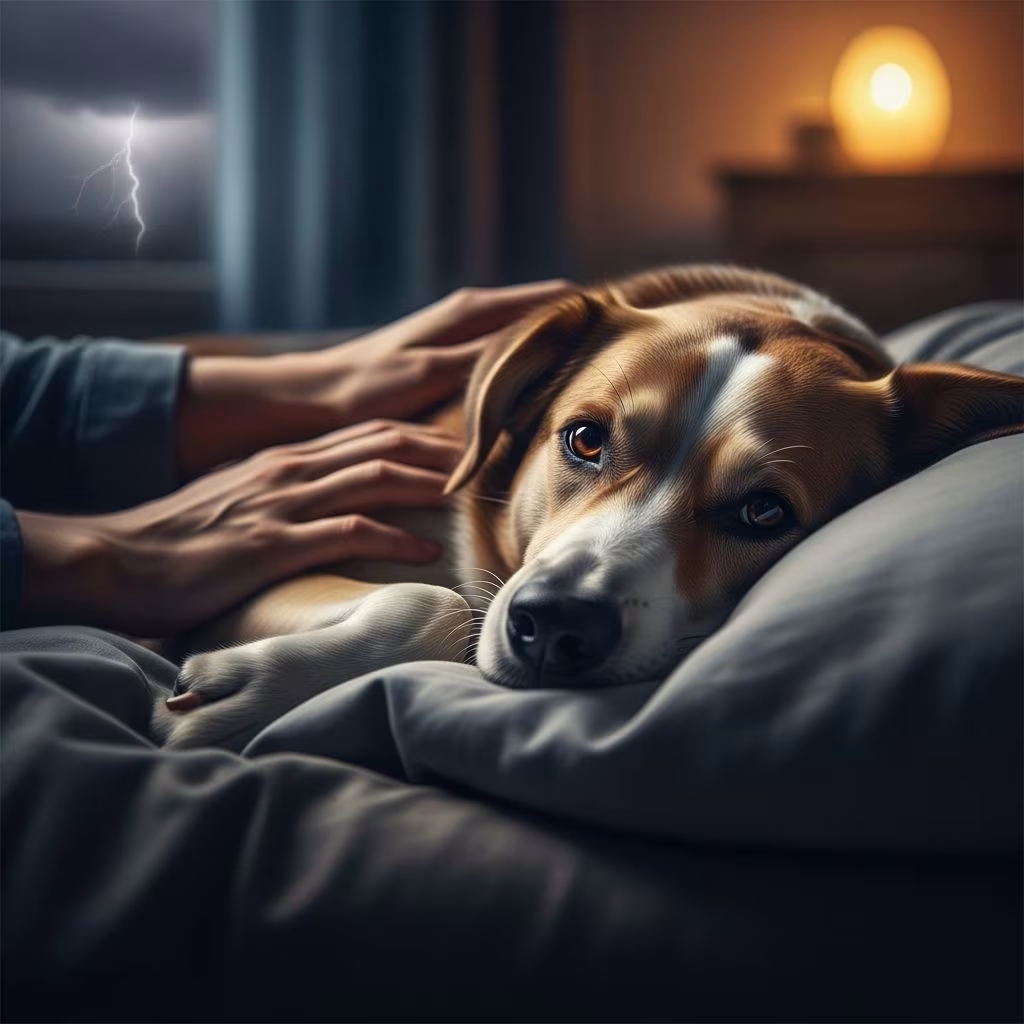
Many dogs experience intense fear during thunderstorms, triggered by a mix of sensory overloads like loud booms, flashing lights, and pressure shifts. Understanding these reactions allows owners to implement targeted calming methods that reduce distress and prevent escalation into chronic phobia.
Understanding the Roots of Thunderstorm Fear in Canines
Dogs perceive thunderstorms through heightened senses that detect subtle changes humans miss, such as drops in barometric pressure, static buildup, and low-frequency rumbles. These elements activate the sympathetic nervous system, flooding the body with adrenaline in a fight-or-flight response, leading to panic.
Genetic factors play a role, with herding breeds like Border Collies and Australian Shepherds showing higher susceptibility due to their sensitivity to environmental cues. Early life experiences matter too; a frightening storm during the sensitive puppy period (4-7 months) can imprint lasting phobia, especially if the dog was confined.
Over time, initial reactions to thunder alone can generalize to wind, rain, or darkening skies without intervention, broadening the fear response.
Distinguishing Normal Unease from Severe Phobia
Not all storm discomfort qualifies as phobia. Fear is a brief, adaptive reaction to immediate threats, while anxiety involves anticipatory worry with physical tension. Phobia represents an extreme, ungraded panic that persists and intensifies, often with escape attempts or shutdown behaviors.
| Reaction Type | Characteristics | Examples |
|---|---|---|
| Fear | Immediate, proportional response | Startling at a single thunderclap |
| Anxiety | Anticipatory vigilance, mild symptoms | Pacing before storm peaks |
| Phobia | Extreme, inflexible panic | Cowering at distant rumble, destructive escapes |
This table highlights key differences to help owners assess severity accurately.
Spotting the Signs of Storm-Related Distress
Dogs signal thunderstorm anxiety through behavioral and physical cues that often start pre-storm, as they sense impending changes. Common indicators include:
- Trembling or shaking uncontrollably
- Panting heavily despite cool conditions
- Pacing restlessly or freezing in place
- Whining, barking, or howling excessively
- Hiding in closets or under furniture
- House soiling despite being trained
- Drooling, dilated pupils, or sweaty paws
- Destructive chewing or clawing at doors
- Loss of appetite or gastrointestinal upset
Severe cases may involve self-injury from frantic escapes, rapid heart rates, or aggression when handled.
Physical Toll of Unmanaged Storm Anxiety
Chronic fear stresses multiple systems. Cardiovascular strain from elevated heart rates, elevated cortisol leading to metabolic issues, and gastrointestinal distress like vomiting or diarrhea are frequent. Injuries from escape bids, such as paw cuts or tooth damage, compound risks, potentially weakening immunity over time.
Sudden onset in adults or seniors may signal underlying health issues like pain or cognitive decline, warranting veterinary evaluation.
Building a Safe Haven for Stormy Days
Create a dedicated comfort zone to buffer sensory inputs. Select a quiet interior room away from windows, fortify it with heavy blankets or a covered crate to muffle sounds and block flashes.
Incorporate calming elements:
- White noise machines or calming music to drown low rumbles
- Familiar bedding with your scent for security
- Pressure wraps like ThunderShirts that mimic swaddling
Practice leading your dog there during calm weather to build positive associations.
Desensitization and Counterconditioning Techniques
Gradual exposure reduces fear over time. Record storm sounds at low volume, pair with high-value treats or play during short sessions, slowly increasing intensity as tolerance builds.
Countercondition by associating storm cues with rewards: Offer treats before predicted anxiety spikes. Consistency is key; professional behaviorists can guide complex cases.
Calming Aids and Supplements
Vet-recommended options include pheromone diffusers (Adaptil) that mimic maternal scents, CBD treats for anxiety relief, or prescription anti-anxiety meds for severe phobias.
Natural supplements like L-theanine or melatonin promote relaxation without sedation. Always consult a vet before starting, especially for drug interactions.
Training Exercises to Boost Storm Resilience
Daily obedience training enhances confidence. Teach “settle” commands using positive reinforcement, rewarding calm states. Obedience games during mild weather prep dogs for distractions.
Socialization to noises via apps with adjustable volumes prevents sensitization. Track progress in a journal to adjust approaches.
Long-Term Management and Professional Help
Monitor patterns; apps predicting storms allow preemptive calming. For persistent cases, board-certified veterinary behaviorists offer tailored plans, possibly combining therapy with meds.
Breeds prone to anxiety benefit from early screening and proactive exposure.
Frequently Asked Questions
Why do some dogs suddenly fear thunder later in life?
Triggers include negative associations, health changes, or insufficient early exposure, heightening vulnerability.
Can puppies outgrow storm fear?
With intervention yes, but untreated fears during development periods often persist or worsen.
Is medication always necessary?
No, behavioral mods suffice for mild cases; meds support severe phobias under vet supervision.
How do I know if it’s a true phobia?
Phobias show extreme, consistent reactions to storm cues, unlike graded fear responses.
Are there breed-specific risks?
Herding and sensitive breeds like Shepherds face higher odds due to genetics and alertness.
References
- Why Are Dogs Scared of Thunder? | Explained By a Vet — Advanced Animal Care. 2024. https://www.advancedanimalcaremp.com/services/dogs/blog/why-are-dogs-scared-thunder-dog-thunderstorm-anxiety-and-phobia-explained
- Thunderstorm Phobias in Dogs: How to Manage Dog Storm Anxiety — PetMD. 2024. https://www.petmd.com/dog/conditions/behavioral/c_dg_thunderstorm_phobias
- Noise and Storm Phobias and Anxiety in Dogs — Today’s Veterinary Practice. 2024. https://todaysveterinarypractice.com/behavior/noise-storm-phobias-anxiety-in-dogs/
- Dog Storm Anxiety — Shallowford Animal Hospital. 2024. https://shallowfordvet.com/dog-storm-anxiety/
- Fear of Thunderstorms — Your Dog’s Friend. 2024. https://yourdogsfriend.org/help/fear-of-thunderstorms/
- Fear of Thunderstorms and Fireworks — University of Pennsylvania School of Veterinary Medicine. 2024-12. https://www.vet.upenn.edu/wp-content/uploads/2024/12/fear-of-thunderstorms-amp-fireworks-pdf.pdf



