

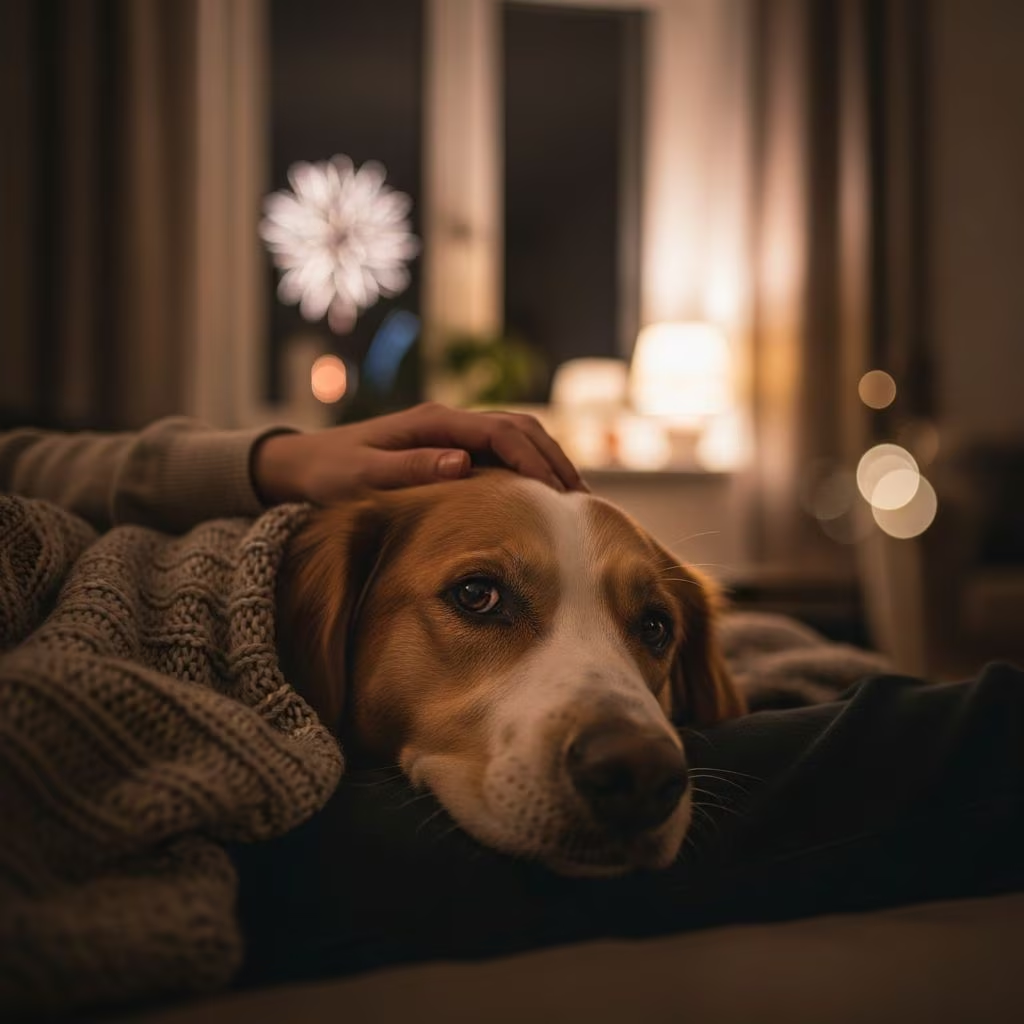
Fireworks displays bring joy to many during holidays like the Fourth of July or New Year’s Eve, but for countless dogs, the sudden booms and flashes trigger intense fear. Noise phobias affect a significant portion of pets, leading to trembling, hiding, vocalizing, or even attempts to escape. Understanding this reaction helps owners implement targeted relief measures. Dogs perceive these unpredictable sounds as threats due to their acute hearing, which detects frequencies and volumes beyond human range. Early intervention through preparation can transform these events from terrifying ordeals into manageable moments.
Recognizing Signs of Fireworks Fear in Dogs
Identifying anxiety early allows for prompt action. Common indicators include pacing or restlessness, excessive panting or drooling, whining, barking, or howling, destructive chewing, and loss of bladder or bowel control indoors. Some dogs flatten their ears, tuck their tails, or seek dark corners. Severe cases may involve self-injury from frantic scratching or escape attempts. These behaviors stem from a fight-or-flight response, where cortisol surges elevate heart rates and blood pressure. Observing patterns during past events helps tailor responses effectively.
Building a Sanctuary for Your Pet
A dedicated safe haven provides security amid chaos. Select an interior room without windows, such as a bathroom, laundry area, or basement, to minimize sound and light penetration. Line it with soft bedding, familiar blankets carrying your scent, and durable chew toys. Introduce this space during calm periods with positive associations like treats or play sessions, fostering voluntary retreats. Crates covered with heavy blankets work well for den-loving breeds. Ensure ventilation and access to water, turning the spot into a comforting retreat rather than confinement.
Proactive Desensitization Training Techniques
Systematic exposure reduces sensitivity over time. Start months ahead by sourcing low-volume fireworks audio tracks online. Play them at barely audible levels during mealtimes or play, pairing with high-value rewards like small bits of chicken or cheese. Gradually increase volume and duration over weeks, always maintaining calm associations. Sessions should last 5-10 minutes, several times daily, stopping if stress appears. This counterconditioning rewires neural pathways, associating blasts with positivity. Consistency yields results, with many dogs showing marked improvement by event time.
Physical Exercise to Tire Out Anxiety
A fatigued dog is less reactive. Plan extended morning walks, fetch games, or agility drills hours before displays. Aim for 45-60 minutes of vigorous activity to release endorphins and deplete energy reserves. Mental puzzles like treat-dispensing balls extend benefits. Post-exercise naps align with peak fireworks hours, promoting restful states. Hydrate well and monitor for overheating, adjusting intensity to your dog’s fitness level.
Sound Masking and Environmental Adjustments
Muffling external noise preserves calm. Draw curtains, close windows and doors tightly, and seal gaps with towels. Activate fans, air conditioners, or white noise machines to create steady backdrops. Classical music playlists or TV shows with dialogue drown out booms effectively, as studies indicate soothing genres lower stress hormones. Avoid silence, which amplifies every pop. These barriers reduce perceived threat intensity significantly.
Calming Aids and Wearable Solutions
Specialized products offer non-invasive relief. Anxiety vests apply gentle, constant pressure akin to swaddling, activating calming nerve responses for up to 70% efficacy in mild cases. Acclimate dogs gradually with short wear times paired with praise. Pheromone diffusers mimic maternal scents, dispersing via collars or plugs. Calming chews containing chamomile, L-theanine, or melatonin provide nutritional support; consult dosing with vets. These tools complement behavioral strategies without sedation.
| Aid Type | How It Works | Best For | Pros | Cons |
|---|---|---|---|---|
| Anxiety Vest | Pressure therapy | Mild-moderate fear | Drug-free, reusable | Fitting required |
| Pheromone Diffuser | Scent signaling | Multi-pet homes | Passive, long-lasting | Slow onset |
| Calming Chews | Nutraceuticals | Occasional use | Tasty, easy admin | Varies by dog |
Your Composure as the Ultimate Anchor
Dogs mirror owner emotions via subtle cues. Maintain relaxed body language, soft voices, and steady breathing during events. Gentle petting along the sides or chest regulates their nervous system, unlike frantic comforting which escalates tension. Sit nearby offering quiet presence rather than isolating. This partnership reinforces trust, signaling safety through your unwavering calm. Avoid over-reassurance phrased as questions, opting for affirmations like smooth strokes.
Interactive Distractions to Shift Focus
Engage senses away from noises. Frozen Kongs stuffed with peanut butter or yogurt demand licking effort, releasing soothing brain chemicals. Puzzle feeders dispense kibble slowly, channeling problem-solving instincts. Tug toys or indoor fetch maintain light play without overexcitement. Rotate options to sustain interest, timing introductions pre-boom. These activities redirect attention, building positive holiday memories.
When to Seek Professional Veterinary Guidance
For persistent or extreme reactions, experts provide tailored plans. Vets assess for underlying issues like generalized anxiety, prescribing short-term anti-anxiety meds such as trazodone or gabapentin, dosed safely for events. Behaviorists design custom protocols, possibly incorporating CBD oils or acupuncture after evaluation. Never self-medicate; professional input ensures health compatibility. Early consultation prevents escalation to chronic phobia.
Long-Term Management and Prevention Strategies
Beyond single events, holistic approaches build resilience. Year-round training maintains desensitization gains. Microchipping and updated IDs prevent lost pets during panics. Skip outdoor displays entirely, as crowds overwhelm even bold dogs. Track progress in journals to refine tactics annually. Community fireworks bans or indoor alternatives reduce exposure frequency.
Frequently Asked Questions
Can comforting my dog during fireworks reinforce fear?
No, providing gentle reassurance during genuine stressors like fireworks supports emotional security without ingraining phobia. Stay composed to model calm.
How long does desensitization take to work?
Typically 4-8 weeks of daily sessions, starting well before holidays, yields noticeable calm in responsive dogs.
Are calming treats safe for all dogs?
Most are, but check ingredients for allergies and consult vets for puppies, seniors, or medicated pets.
What if my dog tries to escape?
Secure yards, windows, and doors; use baby gates for interiors. Indoor containment trumps outdoor risks.
Do anxiety vests work for every dog?
They help 60-80% with mild anxiety; trial fits and combine with other methods for best outcomes.
Essential Precautions for Holiday Safety
- Update microchips and collars with current contacts before events.
- Never walk dogs unleashed near displays to prevent bolting.
- Supervise closely, blocking yard access during peaks.
- Stock supplies early to avoid last-minute stress.
- Monitor post-event for lingering effects like appetite loss.
Implementing these multifaceted strategies empowers owners to safeguard canine well-being amid celebrations. Patience and consistency turn fearful nights into peaceful ones, strengthening bonds enduringly.
References
- Managing Fear of Storms and Fireworks in Dogs — VCA Animal Hospitals. 2023. https://vcahospitals.com/resources/behavior-dog/training/treating-fear-of-thunderstorms-and-fireworks-in-dogs
- Managing Pet Anxiety During Fourth of July Fireworks — ASPCA. 2024-07-01. https://www.aspca.org/news/managing-pet-anxiety-during-fourth-july-fireworks-and-other-festivities
- 9 Tips for Helping a Dog That’s Scared of Fireworks — PetMD. 2024. https://www.petmd.com/dog/tips-helping-dogs-thats-scared-fireworks
- How to Calm Your Dog During Holiday Fireworks — GoodRx. 2024. https://www.goodrx.com/pet-health/dog/dogs-and-fireworks
- 10 Tips for Keeping Pets Safe and Calm During Fireworks — Humane Animal Partners. 2023. https://www.humaneanimalpartners.org/10-tips-for-keeping-pets-safe-and-calm-during-fireworks/



