

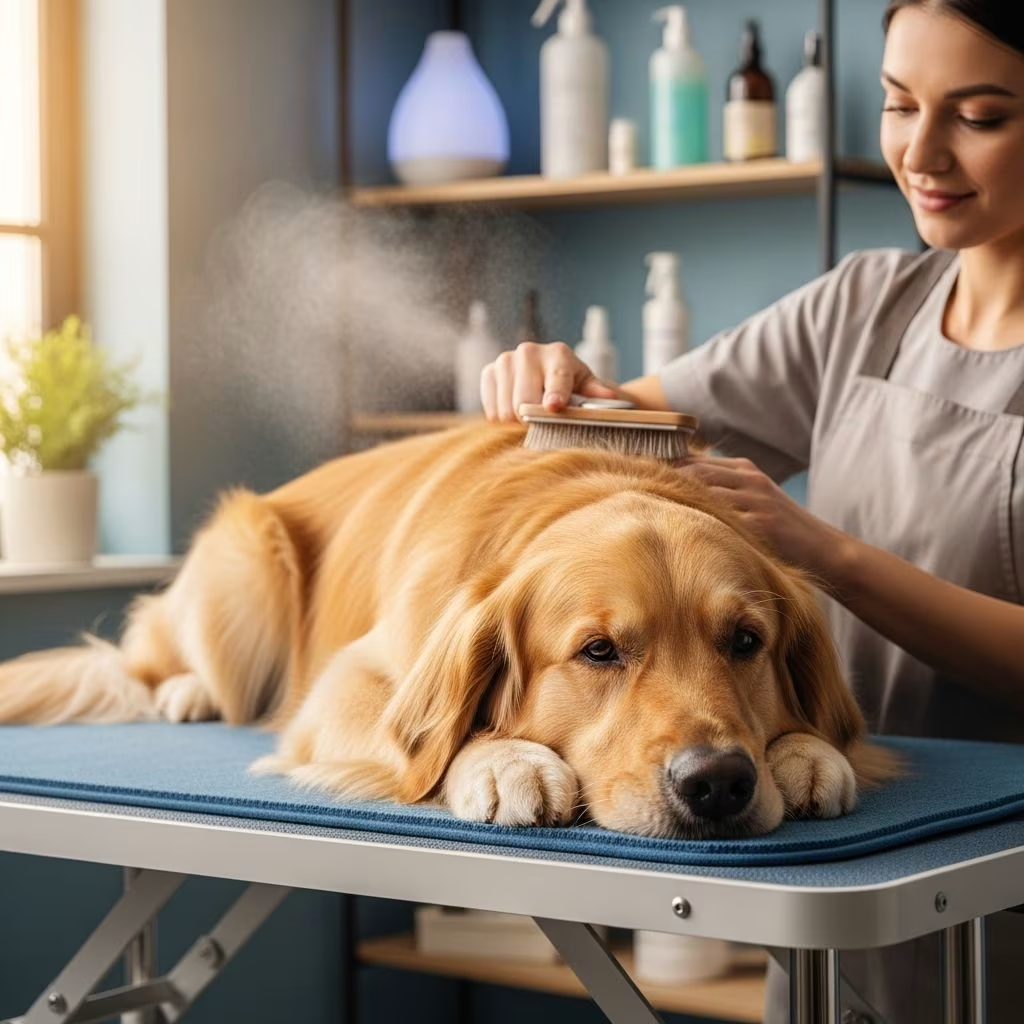
Grooming is essential for a dog’s health, but for many pets, it triggers intense fear or aggression. Sedation offers a controlled solution when other methods fail, allowing safe handling while minimizing trauma. This article examines veterinary-guided approaches, weighing benefits against risks and prioritizing non-invasive options first.
Understanding Grooming-Related Stress in Dogs
Dogs experience grooming stress from noises, handling, and confinement, often leading to trembling, vocalizing, or biting. Rescue dogs with matted fur or those with painful conditions like arthritis may require intervention to prevent injury. Early signs include avoidance behaviors or escalating reactions during nail trims and baths.
- Fear responses: Panting, dilated pupils, and attempts to flee.
- Aggression indicators: Growling, snapping, or stiff posture signaling defensive readiness.
- Physical factors: Skin issues, injuries, or age-related mobility problems amplifying discomfort.
Assessing these cues helps determine if professional intervention is needed, always starting with a veterinary evaluation to rule out medical causes.
Non-Sedation Strategies to Ease Grooming Fears
Before turning to drugs, behavioral conditioning builds tolerance. Gradual desensitization exposes dogs to grooming tools at low intensity, rewarding calm responses with treats. Tools like calming pheromone diffusers or anxiety wraps provide mild relief without chemicals.
| Method | Benefits | Best For |
|---|---|---|
| Counter-conditioning | Transforms negative associations into positive ones | Mildly anxious dogs |
| Professional handling training | Teaches groomer-pet trust | Reactive breeds |
| Supplements (e.g., L-theanine) | Natural calming without drowsiness | Daily maintenance |
Consistent home practice, such as gentle brushing sessions, reduces overall sensitivity. Facilities specializing in fearful pets use these techniques to avoid sedation in 80% of cases.
Veterinary Sedation: When and Why It’s Necessary
Sedation becomes essential for severely matted coats, post-surgical recovery, or trauma histories where handling risks harm. Veterinarians prescribe based on health profiles, selecting agents that address anxiety, not just immobility. Common scenarios include aggressive biters or seniors with chronic pain.
- Consultation process: Full exam, bloodwork if senior or ill.
- Procedure oversight: Performed in-clinic with monitoring equipment.
- Customization: Dosage tailored to breed, weight, and genetics like MDR1 defects.
Facilities combine grooming with sedation for efficiency, but limit scope to safe tasks like clipping and nail trims while unconscious.
Types of Sedation Medications and Their Profiles
Vets choose from oral tranquilizers, injectables, or light anesthetics. Avoid outdated options like acepromazine, which immobilizes without calming and ignores pain.
| Medication Type | Effects | Duration | Cautions |
|---|---|---|---|
| Mild oral sedatives (e.g., trazodone) | Reduces anxiety, allows cooperation | 4-6 hours | Monitor for lethargy |
| Injectable protocols | Full unconsciousness for safety | 1-2 hours | Vet supervision required |
| Gas anesthesia | Reversible, precise control | Adjustable | Advanced facilities only |
Genetic testing prevents adverse reactions in breeds like Collies prone to drug sensitivities.
Safety Protocols During Sedated Grooming Sessions
Trained professionals maintain vital signs via pulse oximetry and temperature checks. Emergency drugs and oxygen stand ready. Limit time under sedation to essentials, avoiding baths or detailed styling on unconscious pets due to positioning risks.
- Pre-procedure: Fasting guidelines, health clearance.
- Intra-procedure: Continuous monitoring, quiet environment.
- Team coordination: Vet oversees, groomer executes.
Post-groom contact ensures owners pick up recovered pets only.
Potential Risks and Side Effects to Watch For
While safe under guidance, complications include respiratory depression, hypothermia, or allergic responses. Brachycephalic breeds face higher overheating risks—avoid enclosed dryers. Repeated use may dull learning, perpetuating fear cycles.
Owners report rare issues like prolonged grogginess or vomiting, underscoring vet involvement. Bloodwork pre-sedation mitigates age-related organ strain.
Step-by-Step Recovery After Sedation
Recovery demands quiet, warm spaces with restricted movement. withhold food 2-4 hours, then offer small bland meals. Watch for pale gums, seizures, or disorientation signaling emergencies.
- Monitor vitals every 15 minutes initially.
- Provide water gradually to prevent aspiration.
- Limit activity 24 hours; leash walks only.
- Follow-up vet check if symptoms persist.
A comfortable crate setup aids smooth return to normalcy.
Ethical Dimensions of Routine Sedation Use
Weigh sedation against long-term welfare—frequent dosing hinders behavioral progress. Prioritize training for sustainable calm. Ethical grooming favors least invasive paths, consulting multidisciplinary teams.
Vets advocate assessing necessity rigorously, promoting welfare over convenience.
Cost Breakdown and Practical Considerations
Sedated sessions range $200-500, covering consults, drugs, and monitoring—higher than standard grooms. Insurance may offset for medical needs. Compare facilities: Vet clinics offer precision; some salons partner with vets.
| Service | Avg. Cost | Inclusions |
|---|---|---|
| Standard Groom | $50-100 | Bath, trim, nails |
| Sedated Groom | $250-450 | Exam, sedation, basic clip |
| Bloodwork Add-On | $100+ | Senior safety screen |
Alternatives to Full Sedation for Challenging Pets
Mild options like CBD treats or prescription anxiolytics suit cooperative dogs. Mobile groomers reduce transport stress. Long-term, professional behaviorists address roots via positive reinforcement.
- Anxiety vests for sensory comfort.
- Pheromone collars pre-session.
- Scheduled short sessions building duration.
FAQs on Dog Grooming Sedation
Is sedation safe for puppies? Rarely recommended; focus on acclimation unless medically urgent. Consult vet for age-specific risks.
How often can a dog be sedated? Limit to 2-3 times yearly; prioritize training to reduce frequency.
What if my dog reacts badly before? Stop immediately, seek vet alternatives like different meds.
Can I sedate at home? No—risky without monitoring; professional oversight essential.
Does insurance cover it? Varies; medical necessity often qualifies.
Building a Fear-Free Grooming Routine Long-Term
Combine strategies: Weekly touch desensitization, professional reinforcement, health maintenance. Track progress in journals to refine approaches. Engaged owners foster confident pets, minimizing sedation reliance.
Ultimately, informed choices ensure grooming supports holistic care.
References
- Sedating a Dog for Grooming: Expert Insights and Considerations — GouGou Pets. 2023. https://gougoupets.com/blogs/news/sedating-a-dog-for-grooming-expert-insights-and-considerations
- Pet Sedation for Grooming Explained and When It’s the Right — Adogable Pet Services. 2023. https://adogablepets.com/pet-sedation-for-grooming/
- The Ins and Outs of a Sedated Grooming — Lone Tree Veterinary Clinic. 2023. https://www.lonetreevet.com/blog/the-ins-and-outs-of-a-sedated-grooming/



