

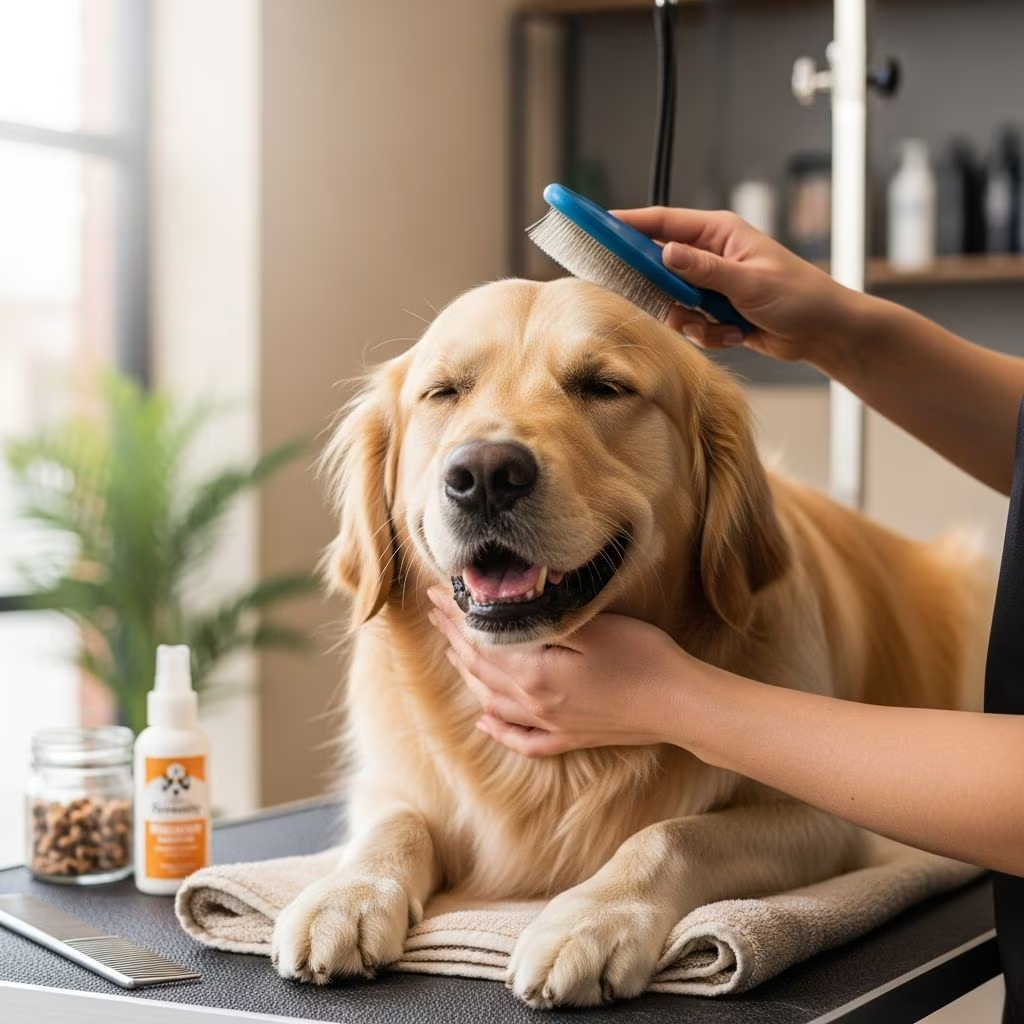
Grooming is essential for maintaining a dog’s health, hygiene, and comfort, yet it often triggers significant anxiety in many pets. Signs of distress during these sessions include trembling, whining, avoidance behaviors, and attempts to escape. Addressing this issue requires a multifaceted approach combining preparation, behavioral conditioning, environmental adjustments, and supportive tools. By implementing targeted strategies, pet owners can help their dogs associate grooming with positivity rather than fear, leading to smoother experiences at home or with professionals.
Understanding the Roots of Grooming Fear
Anxiety during grooming stems from various factors. Sensitive areas like paws, ears, and tails can feel invasive, while unfamiliar noises from clippers or dryers overwhelm a dog’s heightened senses. New environments, such as busy salons, introduce social stressors and sensory overload from scents and sounds. Past negative encounters may condition dogs to anticipate discomfort, creating a cycle of fear. Recognizing these triggers through body language cues—such as lip licking, yawning, tucked tails, or flattened ears—allows for timely intervention.
Breeds with specific traits, like those prone to matting or heavy shedding, may require more frequent grooming, amplifying stress if not managed early. Puppies introduced to handling young build resilience, but adult rescues often carry unresolved traumas. Awareness of these causes empowers owners to tailor solutions effectively.
Building Foundations: Early Desensitization Techniques
Desensitization forms the cornerstone of reducing grooming anxiety by gradually exposing dogs to stimuli in low-stress settings. Start with brief, positive interactions at home to create familiarity without overwhelm.
- Handle Sensitive Zones Gently: Touch paws, ears, and tail for seconds at a time, pairing each contact with high-value treats and verbal praise. Progress slowly over days or weeks until the dog remains relaxed for longer durations.
- Introduce Tools Progressively: Allow sniffing of brushes, nail clippers, and combs before activation. Run quiet tools nearby, rewarding calm responses, then apply lightly to the body.
- Simulate Salon Sounds: Play recordings of dryers or clippers at low volume while offering comfort items, gradually increasing intensity as tolerance builds.
Consistency is vital; short daily sessions prevent fatigue and reinforce neural pathways linking grooming to rewards. Track progress in a journal to adjust pacing.
Pre-Grooming Preparation for Peak Calmness
Physical and mental readiness transforms grooming days. Exercise beforehand burns excess energy, promoting relaxation through endorphin release.
| Activity | Duration | Benefits |
|---|---|---|
| Brisk Walk | 20-30 minutes | Reduces pent-up energy, lowers heart rate |
| Fetch or Tug Play | 15-20 minutes | Engages mentally, tires physically |
| Dog Park Visit | 30 minutes | Social outlet, natural fatigue |
Follow activity with a quiet cool-down period. At-home grooming benefits from a dedicated space: dim lighting, soft music, and familiar bedding minimize distractions. Have all supplies pre-arranged to maintain a serene flow, speaking in soothing tones to convey security.
Leveraging Positive Reinforcement Effectively
Rewards shape behavior profoundly. Use treats, toys, or affection timed precisely with calm tolerance.
- Clip one nail, then immediately reward—no sessions end on stress.
- Brush in short strokes, treating after each to build duration.
- Praise lavishly for voluntary stillness, fostering self-confidence.
Avoid punishment, as it heightens fear. Patience yields results; what takes one session for a confident dog may span weeks for the anxious one.
Selecting and Collaborating with Grooming Professionals
Experienced groomers versed in anxiety management make sessions tolerable. Seek those offering low-stress handling, such as force-free methods and quiet facilities.
- Visit beforehand for familiarization trips without services.
- Opt for walk-ins over drop-offs if separation anxiety exists.
- Provide history notes on triggers and preferences.
Maintain upbeat drop-offs: quick goodbyes with a scented blanket prevent cueing distress. Regular 4-6 week intervals normalize visits, preventing coat issues that prolong future appointments.
Innovative Calming Aids and Products
Supplementary tools bridge gaps for severe cases, always vet-approved.
- Pheromone Diffusers: Adaptil mimics maternal scents for innate soothing.
- Compression Garments: Thundershirts apply gentle pressure akin to swaddling.
- Calming Supplements: Chews with L-theanine or CBD derivatives promote tranquility.
- Aromatherapy: Lavender diffusers in moderation, ensuring no ingestion risks.
Combine with behavioral methods for synergy; no aid replaces foundational training.
Maintaining Routines for Long-Term Success
Consistency breeds predictability, diminishing fear. Weekly mini-sessions sustain desensitization between professional visits. Monitor coat health to preempt discomfort from mats or irritations.
Owner demeanor influences outcomes profoundly—project calm confidence, as dogs mirror tension. If progress stalls, consult veterinary behaviorists for tailored plans, potentially including medication for extreme phobias.
Frequently Asked Questions
How long does desensitization take?
Typically 2-6 weeks with daily practice, varying by dog’s history and temperament. Patience ensures lasting change.
Can puppies be groomed without anxiety?
Yes, starting young with positive exposures prevents issues. Begin handling from 8 weeks.
What if my dog panics mid-session?
Stop immediately, soothe, and regress to easier steps next time. Never force completion.
Are calming collars safe for all dogs?
Generally yes, but consult vets for allergies or interactions. Monitor initial responses.
How often should anxious dogs be groomed professionally?
Every 4-6 weeks to maintain coat without overwhelming buildup.
Advanced Strategies for Stubborn Cases
For persistent anxiety, integrate counter-conditioning: pair triggers with counter-phobic stimuli like favorite meals. Professional training incorporating commands like “stay” enhances control. Some facilities use music therapy or weighted blankets for added sensory relief. Track metrics—stress signals per minute—to quantify improvement objectively.
Holistic wellness supports resilience: balanced nutrition bolsters skin health, reducing grooming needs, while ample daily exercise builds emotional stability. Community resources, like certified trainers, offer hands-on guidance.
References
- 6 Ways to Calm Your Dog’s Grooming Anxiety — DOGTV. 2023-10-15. https://www.dogtv.com/6-ways-to-calm-your-dogs-grooming-anxiety/
- Grooming & Anxiety in Dogs: What to Do & How to Help — Crossroads Veterinary Hospital. 2023-10-15. https://www.crossroadsvets.com/site/blog/2023/10/15/grooming-anxiety-dogs–what-do-how-help
- How to Help a Dog with Grooming Anxiety – Tips for Stress-Free Visits — Groovy Grooming. 2024-01-20. https://groovygroomingsc.com/blog/how-to-help-a-dog-with-grooming-anxiety-tips-for-stress-free-visits
- Make Grooming a Calming Experience for Nervous Pets — Paws Oasis Pet Resort. 2023-11-10. https://pawoasispetresort.com/how-to-make-grooming-a-calming-experience-for-nervous-pets/
- A Guide to Anxiety-Free Dog Grooming — Kradle My Pet. 2024-02-05. https://kradlemypet.com/blogs/cbd/anxiety-free-dog-grooming
- How to Help Dogs Tolerate Grooming and Vet Handling — Best Friends Animal Society. 2023-09-12. https://bestfriends.org/pet-care-resources/how-help-dogs-tolerate-grooming-and-vet-handling



