

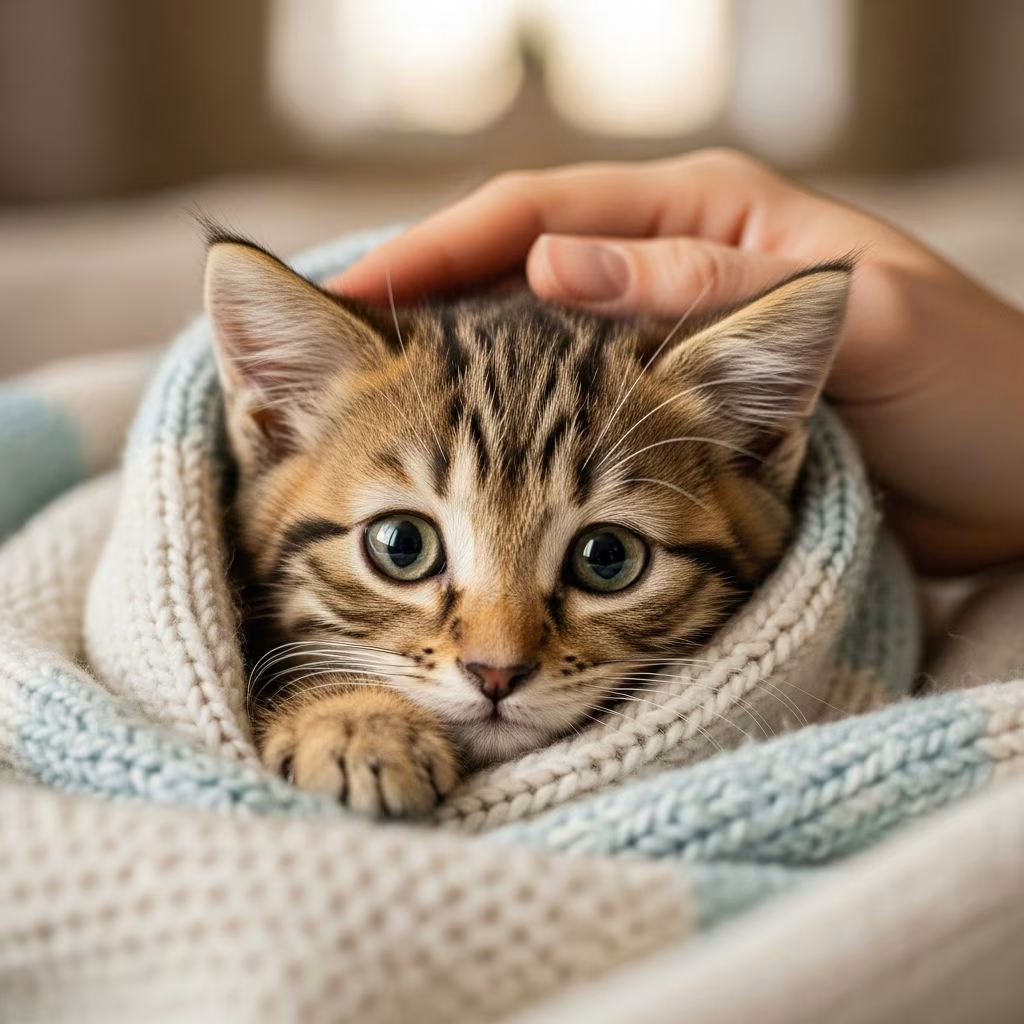
Kittens use vocalizations like crying to signal their needs, much like human infants, indicating hunger, discomfort, or emotional distress. Addressing these cries promptly through proper feeding, companionship, and environmental adjustments can foster a secure and content feline companion.
Understanding the Reasons Behind Kitten Vocalizations
Newborn and young kittens cry frequently because they are born deaf and blind, relying entirely on meows to communicate needs for sustenance and warmth during their first weeks. As they develop, persistent crying often stems from unmet basic requirements or adjustment challenges in a new home.
- Hunger signals: Kittens cry when intervals between meals extend too long, similar to babies demanding food.
- Loneliness or separation: Recently adopted kittens may wail for their mother, littermates, or human interaction.
- Elimination needs: Difficulty adapting to a litter box prompts fussiness until acclimated.
- Disorientation: Navigating an unfamiliar space can cause confusion and cries for guidance.
Recognizing these patterns allows owners to respond effectively, preventing escalation into chronic stress.
Essential Feeding Practices to Prevent Hunger Cries
Establishing a consistent feeding routine is crucial, as daily cries around mealtimes suggest insufficient frequency or inappropriate portions. Kittens under 8 weeks require bottle-feeding with specialized kitten formula, avoiding cow’s milk which can cause digestive upset.
| Age Group | Feeding Frequency | Recommended Food |
|---|---|---|
| Newborn to 4 weeks | Every 2-3 hours | Kitten formula via bottle |
| 4-8 weeks (weaning) | 4-6 times daily | Soft weaning food + formula |
| 8 weeks+ | 3-4 times daily | Kitten kibble/wet food |
Monitor weight gain and stool quality; consult a veterinarian if cries persist post-feeding adjustments.
Combating Loneliness in Single Kitten Households
Solitary kittens often cry from missing sibling play and maternal comfort, especially post-adoption. Adopting pairs from the same litter provides natural companionship, reducing vocal distress significantly.
For single kittens, daily interactive play sessions mimicking hunting—using wand toys or laser pointers—fulfill physical and mental stimulation needs. Allocate 15-30 minutes twice daily to tire them out, minimizing nighttime disturbances rooted in crepuscular activity peaks.
Optimizing the Litter Box Experience
Kittens may vocalize distress when unable to defecate comfortably in a new setup. Introduce the litter box gradually in a quiet, accessible location with unscented, fine-grained litter to match their preferences.
- Place box away from food/water areas.
- Ensure low sides for easy access.
- Scoop daily and fully clean weekly.
If cries accompany straining or accidents, rule out parasites via veterinary fecal exam.
Creating a Safe and Familiar Environment
Overwhelm from expansive homes leads to disoriented cries; confine initial explorations to one room equipped with bed, food, litter, and toys. Gradual introductions build confidence.
Warmth is vital for young kittens; use blanket-lined carriers or low-heat pads (supervised) to replicate maternal huddling. Pheromone diffusers mimicking calming scents can further ease transitions.
Addressing Pain and Health-Related Distress
Shrill, piercing cries indicate injury or illness, such as stuck limbs, teething sensitivity, or infections not visible externally. Fatigue combined with meowing warrants immediate veterinary evaluation.
Teething phases around 2-6 months cause irritability; offer safe chew toys like frozen wet washcloths to alleviate gum discomfort.
Daily Enrichment and Routine Building
Boredom fuels mischievous cries; enrich with puzzle feeders, scratching posts, and window perches for natural behaviors. Consistent schedules for meals, play, and sleep reinforce security, curbing attention-seeking vocalizations.
Affection through gentle petting and talking strengthens bonds, but respect cues to avoid overstimulation.
Special Considerations for Nighttime Crying
Kittens’ natural dawn/dusk activity leads to nocturnal meows; pre-bed play exhausts energy reserves. Blackout curtains and white noise machines dampen external stimuli prompting wakefulness.
For persistent night cries, check for age-related issues in older kittens or underlying conditions like cognitive changes, though rare in youth.
When to Seek Professional Veterinary Help
Nonstop crying despite interventions signals potential medical issues; contact a vet promptly for diagnostics. Spaying/neutering eliminates mating-related yowls in eligible kittens.
Frequently Asked Questions (FAQs)
Why does my new kitten cry all night?
Night cries often stem from loneliness, hunger, or adjustment stress. Implement play routines and companionship to resolve.
Is it normal for kittens to cry when teething?
Yes, sensitivity causes fussiness; provide chew toys for relief.
How often should I feed a crying kitten?
Adjust based on age: frequent small meals prevent hunger cries.
Can adopting another kitten stop the crying?
Often yes, as pairs offer mutual comfort and play.
What if cries sound painful?
Seek vet care immediately for injury or illness assessment.
References
- 5 Reasons Your Kitten May Be Crying — Pawp. 2023. https://pawp.com/kitten-crying/
- 6 Reasons Your Kitten Is Crying — PetMD. 2024-02-15. https://www.petmd.com/cat/slideshows/6-reasons-your-kitten-crying
- My Cat Cries A Lot: Is This Normal? — Partners Veterinary Wellness. 2023-05-10. https://partnersvetwl.com/?p=4891
- Why is My Kitten Crying? (& How to Help Them Stop) — Hill’s Pet. 2024. https://www.hillspet.com/cat-care/behavior-appearance/how-to-soothe-a-crying-kitten
- Meowing and Yowling — ASPCA. 2023. https://www.aspca.org/pet-care/cat-care/common-cat-behavior-issues/meowing-and-yowling



