

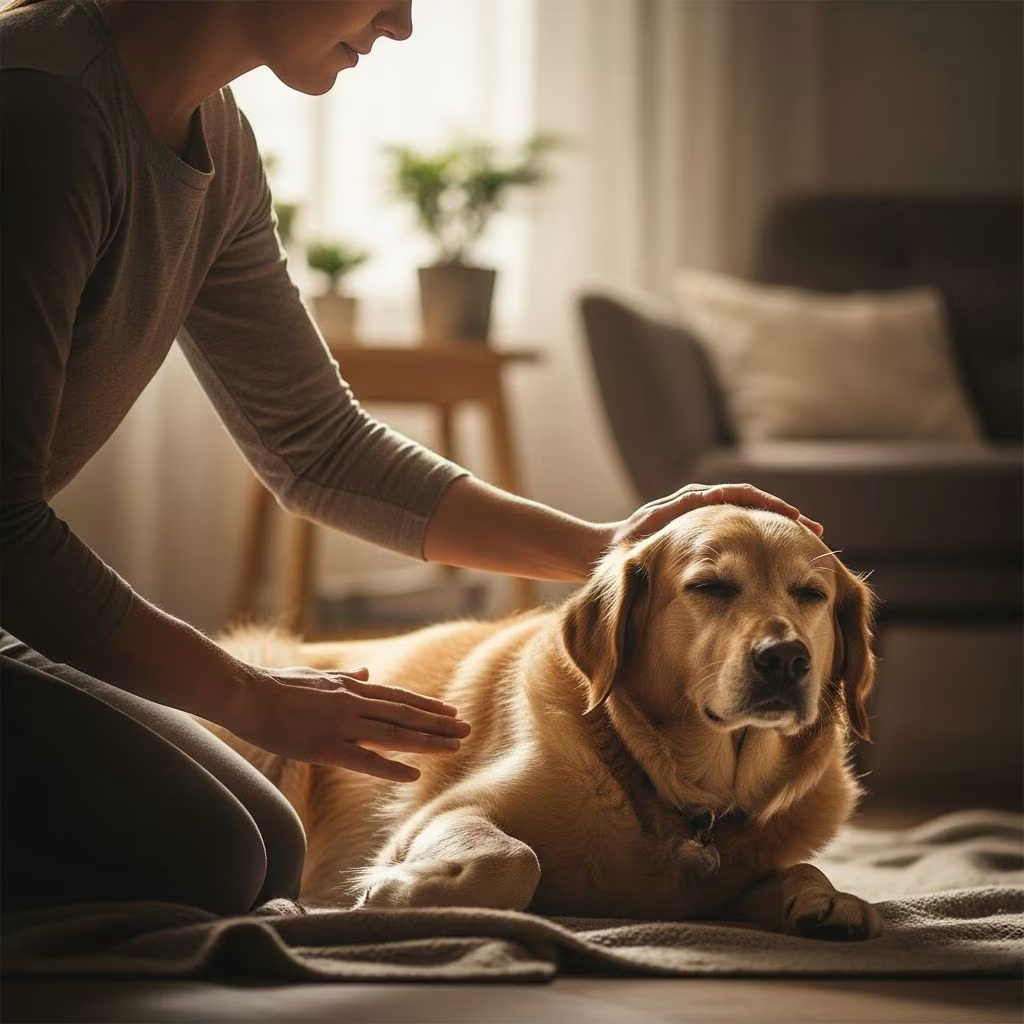
Teaching dogs to breathe slowly and deeply offers a powerful way to manage stress, enhance focus during training, and foster a deeper connection between pet and owner. These methods leverage the physiological link between respiration, heart rate, and emotional state, helping dogs shift from anxiety to relaxation.
Why Breathing Matters for Canine Well-Being
Dogs experience stress through rapid panting or shallow breaths, signaling heightened arousal or fear. Slow, deliberate breathing activates the parasympathetic nervous system, reducing cortisol levels and promoting a state conducive to learning and rest. Research shows that synchronized breathing between humans and dogs can lower both parties’ heart rates, creating mutual calm.
Physiological benefits include decreased respiratory rates, stabilized blood pressure, and improved attentiveness. For owners, practicing alongside their dogs models calm behavior, reinforcing positive outcomes during potentially stressful events like vet visits or thunderstorms.
Foundational Principles of Dog Breathing Training
Start in a quiet environment with minimal distractions. Use high-value treats to motivate focus without overwhelming the dog. Consistency is key—short daily sessions of 5-10 minutes yield better results than infrequent long ones.
- Observe your dog’s natural breathing patterns before intervening.
- Reward only calm responses to build associations.
- Pair verbal cues like “breathe” or “relax” with the action.
- Progress gradually, increasing duration and complexity.
Technique 1: Treat-Guided Deep Breaths
This method uses visual focus and treat movement to encourage breath-holding and slow inhalation, mimicking natural relaxation signals.
- Have your dog sit and hold a treat near your eyes, prompting eye contact. Say “look.”
- Quickly lower the treat to just in front of their nose without delivering it. Cue “breathe” and watch for nostril flaring, indicating inhalation.
- Praise softly and offer the treat only when the dog remains calm.
- Repeat, delaying the treat by 1-2 seconds to extend the breath hold.
- Advance to longer holds (up to 5 seconds) as proficiency grows.
Over time, dogs learn to associate the cue with deep breaths, slowing their heart rate independently.
Technique 2: Diaphragmatic Belly Breathing
Also called belly breathing, this promotes full lung expansion for profound relaxation. Ideal for side-by-side practice.
Lie down next to your dog in a comfortable spot. Place one hand on your belly and another gently on theirs (if tolerated).
- Inhale deeply through your nose for 4 counts, feeling bellies rise.
- Exhale slowly through your mouth for 4-6 counts, watching bellies fall.
- Continue for 5 minutes, allowing your dog to mirror your rhythm.
Dogs often sync naturally, reducing restlessness and unwanted behaviors rooted in stress.
Technique 3: Counted Breath for Anxiety Relief
A structured approach using numbers to regulate pace, adaptable for solo or paired sessions.
Sit upright with your dog nearby. Maintain an open posture to model full breaths.
| Step | Action | Count |
|---|---|---|
| 1 | Inhale through nose | 4 |
| 2 | Hold | 4 |
| 3 | Exhale through mouth | 4 |
| 4 | Hold | 4 |
Repeat cycles while softly cueing your dog. Use words like “calm” during exhales to anchor the response. Short sessions prevent fatigue.
Technique 4: Synchronized Rhythm Matching
Observe and match your dog’s breaths to build harmony, transitioning to leading the pace.
- Watch chest/abdomen movement for 30 seconds.
- Align your inhales/exhales precisely.
- Gently guide slower patterns with your steady rhythm.
- End with praise and a treat for unity.
This fosters trust and anticipates calm periods.
Advanced Applications in Real-Life Scenarios
Integrate techniques during triggers: before walks, car rides, or grooming. For vet visits, practice deep breaths upon entry, rewarding focus.
Combine with biofeedback: Note ear position, tail set, and eye softness as relaxation indicators. Trainers emphasize rewarding these over mere compliance.
Common Challenges and Solutions
| Challenge | Solution |
|---|---|
| Dog gets agitated by treat near nose | Desensitize slowly with professional guidance; use distance. |
| Short attention span | Keep sessions under 5 minutes; build gradually. |
| No mirroring | Practice daily in varied quiet spots; add scents like lavender. |
| Panting persists | Close mouth gently to encourage nasal breathing. |
Benefits Beyond Calm: Training Enhancements
Mindful breathing prepares dogs for learning by optimizing hormonal balance for focus over reactivity. Owners stay patient, modeling composure.
- Improved recall and heeling under distraction.
- Reduced fear responses in novel environments.
- Stronger human-animal bond through shared rituals.
Building a Routine for Lasting Results
Schedule sessions morning and evening. Track progress in a journal: note breath depth, session length, and behavior changes. Vary techniques to maintain engagement.
For puppies, start simpler; seniors may prefer passive syncing. Consult vets for respiratory issues before intensive practice.
Frequently Asked Questions
Can all dogs learn breathing exercises?
Yes, with patience. Adapt for age, breed, and health; seek trainer help for severe anxiety.
How long until I see results?
Noticeable calm in 1-2 weeks with daily practice; full proficiency in 4-6 weeks.
Is this a substitute for medication?
No, complements vet-prescribed treatments for anxiety disorders.
What if my dog holds breath too long?
Monitor; natural limits prevent issues. Reward exhales promptly.
Can I use these for multi-dog households?
Yes, practice individually then together for group calm.
Expert Insights on Physiological Links
Veterinary behaviorists note that nasal breathing slows respiration inherently, aiding stress reduction. Heart rate variability improves, signaling autonomic balance.
Trainers advocate pre-session breaths for handlers to embody calm, as dogs read human tension.
References
- Teaching Your Dog Calm, Slow Breathing — Whole Dog Journal. 2023. https://www.whole-dog-journal.com/training/teaching-your-dog-calm-slow-breathing/
- 4 Soothing Breathing Exercises For Dogs And Humans — Central Coast Dog Trainers. 2024. https://centralcoastdogtrainers.com/breathing-exercises-for-dogs-and-humans/
- Breathing for Dog Trainers — Michael’s Dogs Behavior Group. 2017-02-24. https://www.michaelsdogs.com/2017/02/24/breathing-for-dog-trainers/
- Fear-Free Veterinary Visit Tip: Just Breathe — dvm360. 2023. https://www.dvm360.com/view/fear-free-veterinary-visit-tip-just-breathe



