
Calm Vet Visits for Pets
Discover strategies to minimize pet stress during veterinary care and foster positive experiences for lifelong wellness.
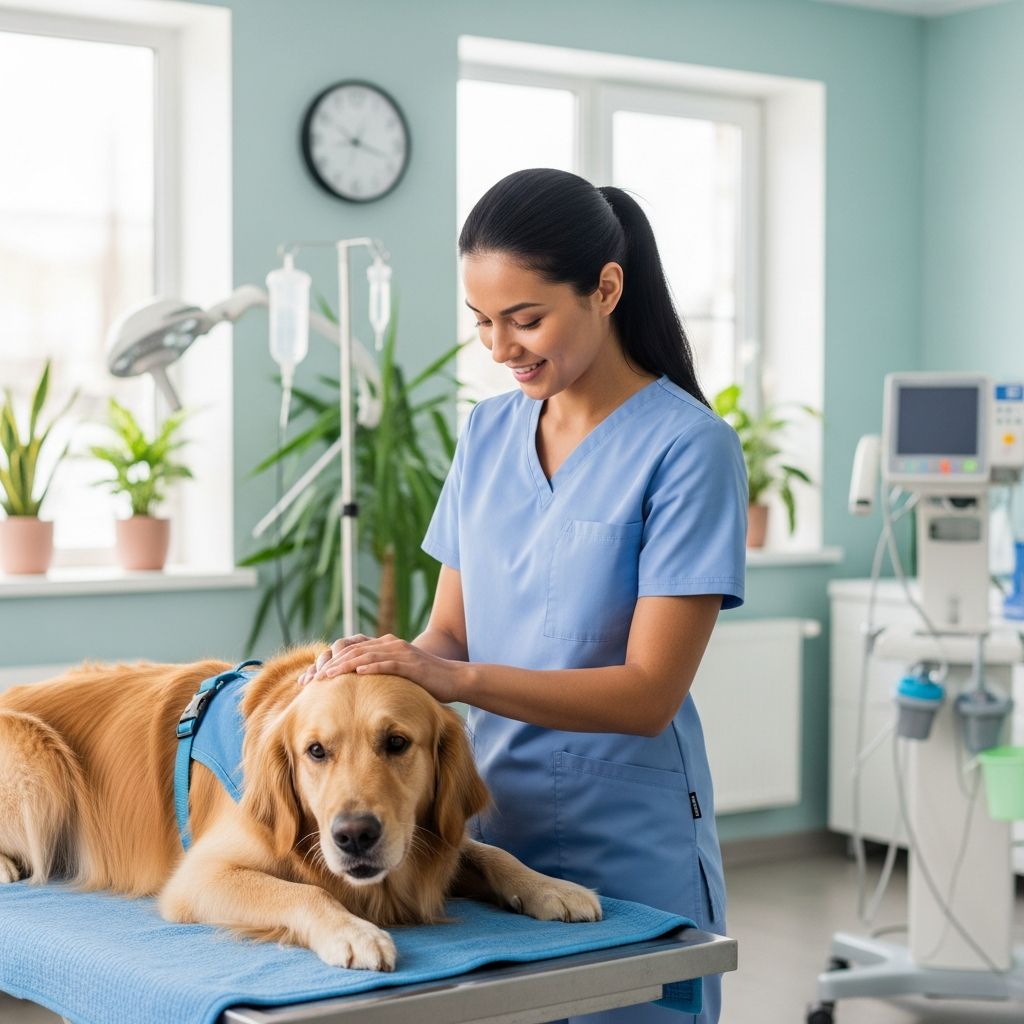
Traditional veterinary appointments often trigger significant stress in dogs and cats, leading to inaccurate assessments and strained relationships. Fear Free veterinary care revolutionizes this by prioritizing emotional comfort through evidence-based strategies that minimize fear, anxiety, and stress (FAS) across the entire visit process.
Understanding the Roots of Pet Stress in Clinics
Pets experience heightened anxiety in veterinary settings due to unfamiliar smells, sounds, and handling methods reminiscent of predatory threats. This physiological response elevates heart rates, releases stress hormones, and can mask underlying health issues, complicating diagnoses. Fear Free approaches address these triggers holistically, from home preparation to post-visit recovery, ensuring pets remain physiologically stable for reliable medical evaluations.
Recognizing subtle stress signals—such as lip licking, yawning, ear flattening, or avoidance—is crucial. These body language cues indicate discomfort before escalation to growling or biting, allowing proactive interventions that preserve safety for all involved.
Core Principles Driving Fear Free Success
Fear Free certification equips veterinary professionals with comprehensive training in behavior science, low-stress handling, and environmental design. Key tenets include:
- Patient-Centered Pacing: Procedures advance only at the pet’s comfort level, incorporating pauses and choices to empower the animal.
- Multimodal Comfort: Combining pheromones, soothing music, and pastel-colored environments to mimic calming home conditions.
- Team Coordination: All staff trained uniformly to read and respond to pet signals consistently.
These principles, developed by experts like Dr. Marty Becker, have gained international traction, with practices reporting higher compliance and client satisfaction.
Step-by-Step Home Preparation for Smooth Visits
Effective Fear Free care begins long before the clinic door. Owners play a pivotal role in desensitizing pets to travel and clinical stimuli.
| Preparation Phase | Actions | Expected Outcome |
|---|---|---|
| Carrier Acclimation (Weeks 1-2) | Leave carrier open with treats inside daily; feed meals nearby. | Pet views carrier as safe, rewarding space. |
| Car Ride Practice (Weeks 3-4) | Short drives ending at parks with playtime; avoid clinic proximity initially. | Reduces motion sickness and travel aversion. |
| Mock Vet Sessions (Week 5+) | Gently touch paws, ears while offering high-value treats; simulate exams at home. | Builds tolerance to ‘vet touch’ handling. |
Withhold food 8-12 hours pre-visit to maximize treat motivation, but ensure hydration. For highly anxious pets, consult on pre-medication like gabapentin 2-3 hours prior.
Arrival and Waiting Room Strategies
Upon entering the clinic, separate canine and feline areas prevent interspecies stress. Many Fear Free practices offer ‘happy visits’—brief, treat-only stops without exams—to precondition positivity. Pheromone diffusers (e.g., Feliway for cats, Adaptil for dogs) disperse calming scents, while low-volume classical music or white noise masks startling sounds.
Owners receive guidance to remain calm, as pets mirror human tension. Leash tension signals restraint; opt for harnesses allowing natural movement.
Advanced Calming Protocols for Severe Cases
For pets with phobia-level anxiety, clinics deploy structured protocols like the CHILL regimen: gabapentin for anxiolysis, melatonin for sedation, and acepromazine for mild tranquility, administered orally at home. Dosing is weight-based and vet-prescribed to avoid over-sedation.
During exams, chemical aids pair with non-pharmacologic tools. Trazodone offers flexible on-demand relief, enabling cooperation without full anesthesia.
Low-Stress Examination Techniques
Fear Free exams eschew cold steel tables for floor-level assessments on blankets or pet beds. Staff approach from the side, not overhead, starting with least sensitive areas (e.g., shoulder before paw).
- Towel Wraps: Secure yet gentle for cats, simulating maternal carrying.
- Minimalist Restraint: One hand supports, never pins; allow head turns for security.
- Distraction Flow: Continuous high-value treats (e.g., chicken paste) pair with procedures like blood draws or nail trims.
This ‘assent-based’ model grants pets control—pausing if they pull away—fostering voluntary participation.
Positive Reinforcement as the Foundation
Central to Fear Free is operant conditioning: rewarding calm behaviors to overwrite negative associations. Pets arrive hungry for a ‘treat tsunami’—small, frequent rewards creating cognitive dissonance against fear. Toys, luring, and praise reinforce handling tolerance, with many pets wagging tails by visit end.
Long-term, repeated positive visits rewire neural pathways, turning vets into anticipated allies rather than threats.
Clinic Design Innovations for Serenity
Physical spaces amplify behavioral efforts. Low-arousal palettes (blues, greens) replace stark whites; elevated exam tables yield to ground-level options. Separate ventilation prevents scent overload, and private recovery rooms allow decompression post-procedure.
Some facilities incorporate nature views or aquariums for passive enrichment, aligning with biophilic design principles proven to lower animal cortisol.
Benefits Across the Care Ecosystem
For Pets: Reduced FAS improves immune function, treatment adherence, and welfare. Accurate vitals reflect true health status.
For Owners: Less emotional distress; empowered through education and involvement (e.g., hand-feeding during exams).
For Vets: Safer workflows cut bite risks by 70% in certified practices; higher job fulfillment from rewarding interactions.
Population-level data shows Fear Free clinics achieve better preventive care compliance, curbing disease progression.
Frequently Asked Questions
What certifications indicate a Fear Free practice?
Vets and staff complete Fear Free courses from fearfree.com, earning credentials in handling, pharmacology, and client communication.
Can all pets benefit, even seniors or rescues?
Yes; tailored protocols accommodate mobility issues, trauma histories, or chronic pain, often yielding dramatic improvements.
How do I find a Fear Free provider near me?
Search fearfree.com directories or inquire about certification during calls.
Are pre-visit meds safe for routine use?
Under vet guidance, yes; they’re low-risk, reversible, and enhance voluntary cooperation.
What if my pet resists despite preparations?
Clinics split visits into micro-sessions or use advanced sedation; persistence builds success over time.
Implementing Changes at Home and Beyond
Owners extend Fear Free ethos daily: pheromone collars for thunderstorms, gradual grooming intros, or play-based husbandry. Collaborate with trainers versed in force-free methods for holistic support.
Advocate for your pet by scripting preferences (e.g., ‘no scruffing’) and tracking progress in a journal. This partnership amplifies veterinary efficacy.
References
- What is a Fear Free Veterinarian? A Calmer Approach to Pet Care — Saratoga Veterinary Hospital. 2023. https://saratogavethosp.com/blog/what-is-a-fear-free-veterinarian/
- Fear-Free Veterinary Visits: What to Expect and How to Prepare — Blue Vista Veterinary Hospital Durham. 2024. https://bvhdurham.com/fear-free-veterinary-visits-what-to-expect-and-how-to-prepare/
- Building a Fear Free Practice – Prioritizing Pets’ Emotional Well-Being — IDEXX Veterinary Software. 2023. https://software.idexx.com/resources/blog/building-a-fear-free-veterinary-practice-prioritizing-pets-emotional-well-being
- Creating A Fear Free Environment For Your Pet — Animal Veterinary Center of Orlando. 2024. https://avcorlando.com/blog/creating-a-fear-free-environment-for-your-pet/
- A Look Inside Fear-Free Practices — American Animal Hospital Association (AAHA). 2024-03-01. https://www.aaha.org/trends-magazine/march-2024/a-look-inside-fear-free-practices/
- 10 Things That Make Fear Free Vet Visits Different — University of Illinois College of Veterinary Medicine. 2021-12. https://vetmed.illinois.edu/wp-content/uploads/2021/12/10-Things-That-Make-Fear-Free-Vet-Visits-Different.pdf
- Fear Free: Home — Fear Free Pets. 2026 (Accessed). https://www.fearfree.com
Similar Articles








Read full bio of Sneha Tete


