

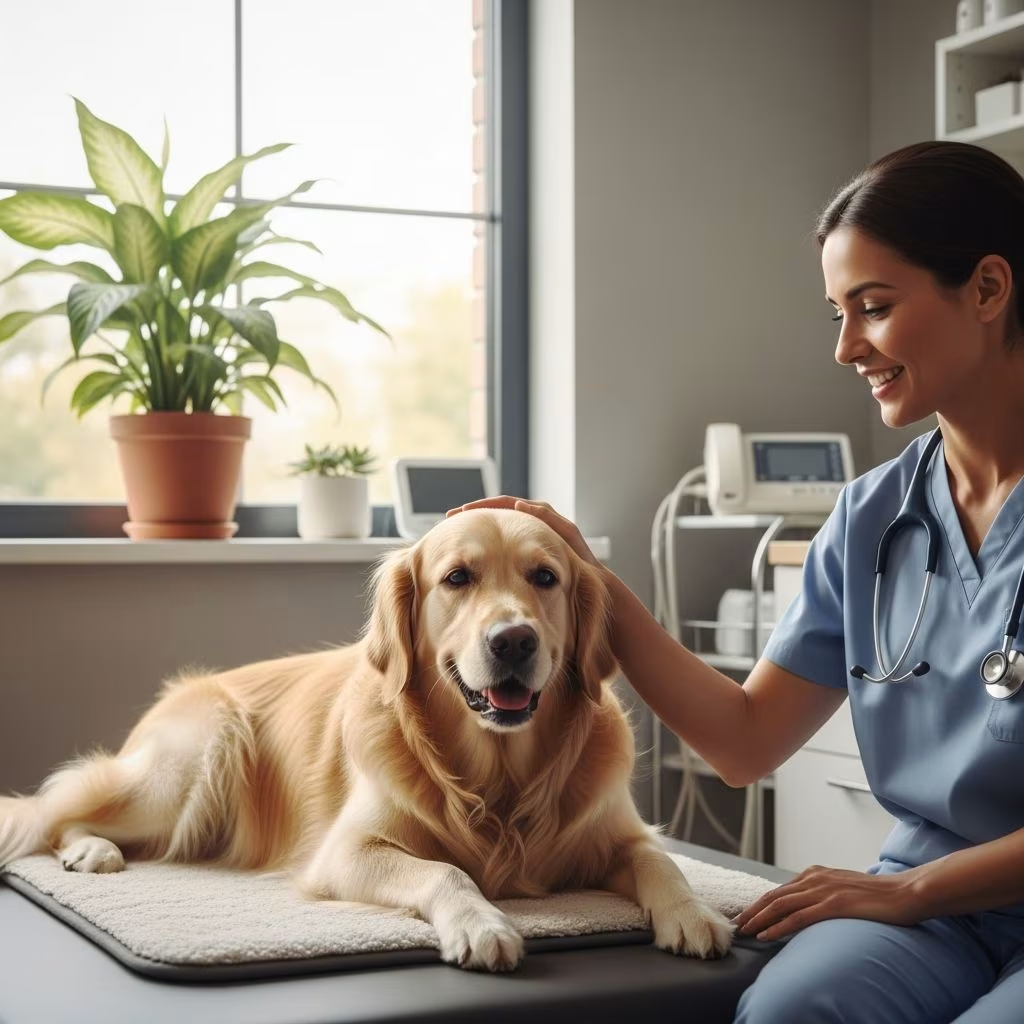
Veterinary visits often trigger intense anxiety in dogs due to unfamiliar environments, handling, and past negative associations. Implementing targeted preparation strategies can significantly reduce this stress, improving both the dog’s welfare and the quality of medical care provided.
Understanding Canine Stress Signals During Vet Appointments
Dogs communicate discomfort through subtle body language cues that owners must recognize to intervene early. Common signs include lip licking, yawning, whale eye (whites of eyes visible), tucked tail, flattened ears, trembling, pacing, avoidance of eye contact, and attempts to hide or escape.
These behaviors stem from the fight-or-flight response activated by novel smells, sounds, and restraint in clinical settings. Elevated stress hormones like cortisol impair immune function and hinder accurate examinations, making stress reduction essential for effective healthcare.
- Lip licking or yawning: Indicates mild unease; offer treats to redirect focus.
- Whale eye or ear flattening: Signals rising tension; pause handling and allow space.
- Trembling or cowering: High stress level; consider medication or rescheduling.
Choosing a Fear-Friendly Veterinary Practice
Selecting a clinic trained in low-stress handling transforms routine visits. Look for facilities certified in programs like Fear Free or Low Stress Handling, which emphasize minimal restraint, quiet environments, and floor-level exams to respect canine comfort.
Modern clinics often play soothing music, reduce overhead noise, and provide separate waiting areas for dogs. Inquire about their protocols: do they allow owners to remain present? Can exams occur on soft mats instead of cold tables? These accommodations prevent escalation from anxiety to panic.
| Feature | Benefit | Example Clinics Might Offer |
|---|---|---|
| Low-restraint techniques | Reduces panic | Floor exams, gentle positioning |
| Calming ambiance | Lowers arousal | Soft lighting, pheromone diffusers |
| Staff training | Consistent handling | Fear Free certification |
Building Positive Associations with Happy Visits
Happy visits involve brief, non-medical trips to the clinic where dogs receive treats and gentle interactions, countering negative expectations. Start in puppyhood but apply to adults by calling ahead for low-traffic times.
Begin externally: treats in the parking lot progress to lobby greetings. Limit duration to what the dog tolerates, ending on a high note. Repeat weekly to rewire the brain’s association from fear to reward.
- Phone the clinic to confirm staff availability.
- Drive to the lot; dispense high-value treats.
- Enter briefly for petting and snacks if calm.
- Depart promptly; never force participation.
Desensitization Training at Home
Systematic exposure to vet-like stimuli prevents overwhelm. Pair paw touching, ear inspections, and mouth opening with rewards daily, advancing slowly to simulate exams.
Practice table simulations using a raised, stable surface covered in a familiar blanket. Reward voluntary compliance; if resistance occurs, regress to easier steps. Owner calmness is crucial, as dogs mirror tension.
For car anxiety, conduct short joy rides to parks with play sessions, decoupling travel from clinics. Use secure harnesses and calming classical music to enhance relaxation.
Essential Tools and Products for Calming
Calming aids bridge gaps in behavioral prep. Pheromone products like Adaptil collars or sprays mimic maternal soothing signals, applied to bandanas or carriers hours prior.
- Anxiety wraps (e.g., ThunderShirt): Apply gentle pressure like swaddling; test fit pre-visit.
- Frozen Kongs or LickiMats: Filled with peanut butter for distraction during waits.
- Calming supplements: Consult vet for options like L-theanine; avoid unproven herbals.
Bring small, soft favorite treats; a hungry dog (skip breakfast) engages more readily. Refusal signals excessive stress—pause and adjust.
Optimizing the Day-Of Experience
Schedule early morning or midday slots to avoid crowds. Request quiet rooms or outdoor waits if indoor stimuli overwhelm. Exercise beforehand to burn energy, then arrive composed.
Stay relaxed: speak normally without baby-talk reassurance, which can amplify anxiety. Allow the dog to lead interactions; never force proximity to staff.
Role of Medications in Severe Cases
For dogs with profound fear, pre-appointment anti-anxiety meds like trazodone or gabapentin, dosed 1-2 hours prior at home, enable cooperation without full sedation.
These improve welfare, facilitate thorough exams, and prevent injury risks from thrashing. Veterinary behaviorists can tailor protocols; start with trial doses for tolerance.
Long-Term Strategies for Confidence Building
Combine methods for lasting change: track progress in a journal noting triggers and successes. Enroll in positive reinforcement classes to generalize calm behaviors.
Annual wellness integrates fun elements, maintaining positivity. Monitor for separation anxiety links, addressing via consistent routines.
Frequently Asked Questions
What if my dog refuses treats at the vet?
This indicates overload; retreat to a quieter space, reduce stimuli, or use meds next time.
Can puppies learn to love vet visits?
Yes, early happy visits from 8 weeks build lifelong ease.
Are pheromone products safe?
Adaptil is vet-recommended with minimal side effects; confirm with your clinician.
How often should I do happy visits?
1-2 times weekly until improvement, then monthly maintenance.
What if low-stress clinics aren’t available?
Request accommodations or seek mobile vets; prioritize desensitization.
References
- Separation Anxiety and Vet Visits: How to Manage Your Dog’s Stress — Allied Animal Healthcare. 2023. https://www.alliedanimalhealthcare.com/blog/separation-anxiety-and-vet-visits-how-to-manage-your-dogs-stress.html
- How to make veterinary visits less stressful for dogs — Cornell University College of Veterinary Medicine. 2024-10-15. https://www.vet.cornell.edu/departments-centers-and-institutes/riney-canine-health-center/canine-health-topics/how-make-veterinary-visits-less-stressful-dogs
- Tips for Less Stressful Veterinary Visits — Cobb Animal Hospital. 2023. https://cobb.vet/tips-for-less-stressful-veterinary-visits/
- Low Stress Vet Visits — Best Friends Veterinary Center. 2022. https://bestfriendsvet.com/library/low-stress-vet-visits/
- How to Calm Pet Anxiety During Vet Visits: 10 Proven Tips — Pooler Veterinary Hospital. 2024. https://poolervet.com/calm-pet-anxiety-during-vet-visits/
- Reducing Fear of Veterinary Visits for Dogs — VCA Animal Hospitals. 2023-05-01. https://vcahospitals.com/know-your-pet/reducing-fear-of-veterinary-visits-for-dogs
- Vet Visits: How to Calm Your Dog Down — Taste of the Wild Pet Food. 2023. https://www.tasteofthewildpetfood.com/articles/health/vet-visits-how-to-calm-your-dog-down/



