

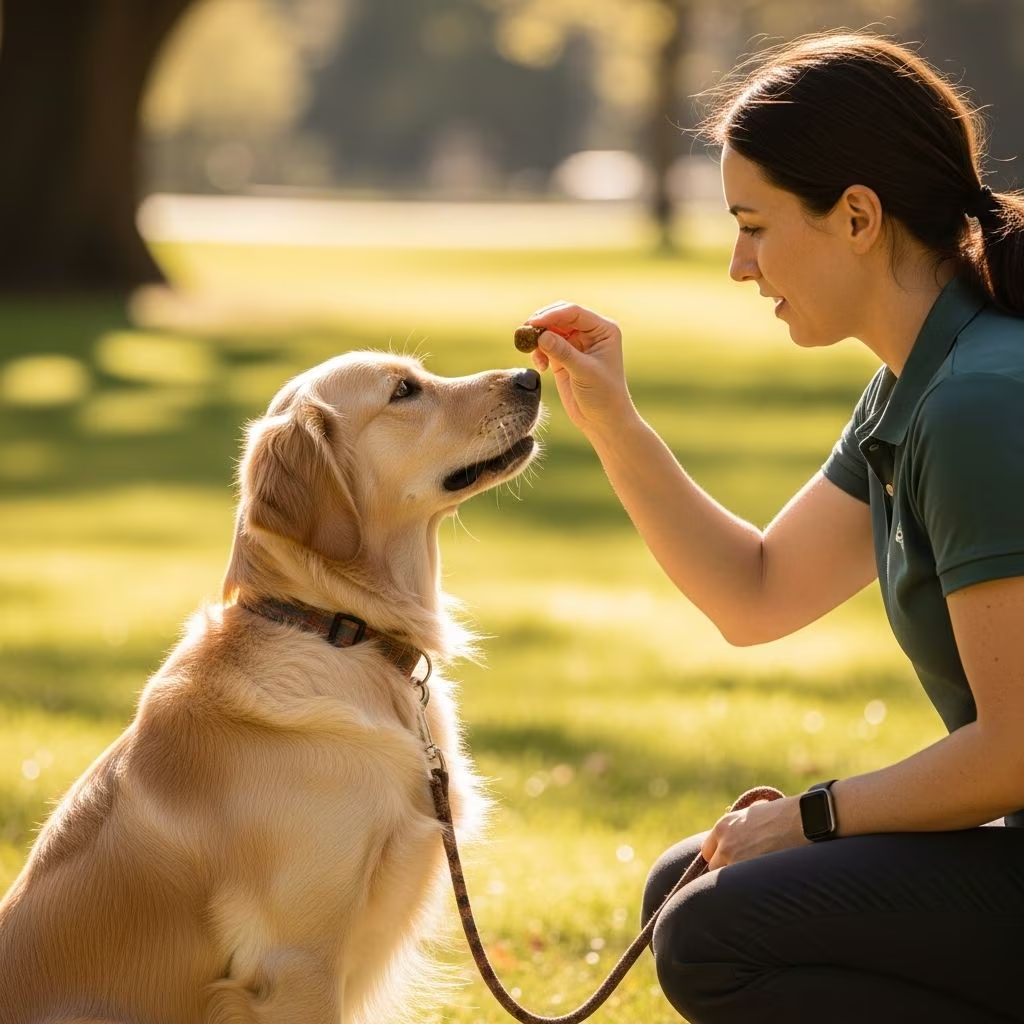
Effective dog training hinges on the trainer’s emotional state. When frustration or anger takes over, learning stops, and behavioral issues can worsen. Positive, reward-focused methods, supported by scientific research, foster quicker results and stronger bonds without the risks of aversive tactics.
The Hidden Cost of Frustrated Training Sessions
Training a dog requires patience because animals sense human emotions acutely. Elevated heart rates, tense muscles, and sharp tones signal danger to dogs, triggering stress responses that impair focus and retention. Studies comparing training styles reveal that sessions marked by owner irritation lead to higher stress signals in dogs, slower behavior acquisition, and increased aggression risks over time.
Consider a scenario where a dog repeatedly ignores a “sit” command. Yelling or physical corrections might yield momentary compliance, but they instill fear rather than understanding. Dogs in such environments often develop avoidance behaviors, shutting down or acting out unpredictably. In contrast, calm sessions allow dogs to engage willingly, associating commands with positive outcomes.
Why Positive Reinforcement Outshines Punishment
Reward-based training leverages natural learning laws, motivating dogs through treats, praise, or play. This approach not only teaches behaviors faster but also minimizes side effects like anxiety or redirected aggression. Research demonstrates that dogs trained positively exhibit fewer stress indicators, greater trust in handlers, and faster mastery of complex tasks.
- Positive methods build enthusiasm: Dogs eagerly repeat rewarded actions.
- Punishment creates compliance through fear: Short-term gains often lead to long-term regressions.
- Force-free training addresses root causes: Trainers manage environments and rule out health issues for holistic improvement.
Comparative analyses confirm these benefits. Dogs in reward programs show improved obedience and human-animal bonds compared to those subjected to shocks or leash jerks.
Debunking Persistent Training Misconceptions
Myths perpetuate ineffective practices. One common belief posits that aversive techniques deliver quicker results. However, while punishment may suppress behaviors temporarily, it fails to teach alternatives, causing rebounds or new problems.
| Myth | Reality | Evidence |
|---|---|---|
| Punishment works faster | Rewards teach sustainable skills | Studies show positive training accelerates learning without side effects |
| Positive training lacks structure | It enforces clear boundaries | Trainers prevent unwanted actions while guiding to alternatives |
| Dogs need dominance displays | They thrive on clear communication | Dominance theory stems from flawed wolf studies |
Another fallacy claims rewards equate to bribery. In truth, strategic reinforcement creates lasting associations, fading lures over time to ensure reliability without constant treats.
Building Lasting Obedience Through Consistency
Obedience training benefits every dog, not just those with issues. It strengthens relationships and prevents problems proactively. Short, daily sessions—mere minutes long—prove more effective than marathon efforts, respecting dogs’ attention spans.
Age is no barrier; older dogs learn readily with tailored, patient methods. Puppies benefit from early starts, but lifelong reinforcement keeps skills sharp, especially for safety commands like recall.
- Start small: Focus on one behavior per session.
- Use high-value rewards: Match treats to motivation levels.
- Fade aids gradually: Transition from lures to verbal cues.
- Maintain positivity: End on successes to boost confidence.
Practical Strategies for Stress-Free Sessions
To train effectively, prepare mentally. If anger brews, pause and reset. Walk away, breathe deeply, or enlist help. Dogs mirror calm handlers, accelerating progress.
Environmental management is crucial. Confine access to prevent rehearsal of bad habits, creating opportunities for success. For jumping, leash control and rewards for four paws down work wonders without scolding.
Integrate training into routines: Reward sits before meals or calm waits at doors. This seamless approach embeds behaviors naturally.
Understanding Canine Learning Principles
Dogs learn via association and consequence. Positive reinforcement strengthens desired links, while punishment risks confusion or suppression without comprehension. Science emphasizes motivation: Every new skill needs a compelling “why” for the dog.
Personalities vary by genetics and experiences, demanding customized plans. No universal method fits all; observe your dog’s cues and adapt.
Common Pitfalls and How to Avoid Them
Avoid over-reliance on food by varying rewards and phasing them out. Counter table-begging by training elsewhere first, not during meals.
Steer clear of outdated tactics like alpha rolls, which induce fear, not submission. Modern evidence favors guidance over force.
- Identify triggers: Frustration often stems from unclear expectations.
- Track progress: Note wins to stay motivated.
- Seek professionals: Certified positive trainers offer tailored guidance.
FAQs on Effective Dog Training
Is positive training suitable for all dogs?
Yes, it works across breeds, ages, and temperaments by addressing individual needs.
How long until I see results?
Consistency yields changes in days for basics, weeks for reliability. Short sessions maximize efficiency.
What if my dog ignores commands?
Prevent the behavior, reward alternatives, and check for medical issues. Patience prevents escalation.
Do treats create dependency?
No, when faded properly, they build intrinsic response to cues.
Can training fix aggression?
It manages through prevention and alternatives, but consult experts for severe cases.
Long-Term Benefits of Patient Training
Beyond obedience, calm training enhances welfare. Dogs gain confidence, owners reduce stress, and bonds deepen. Research links positive methods to better mental health for both.
Commit to this path for a harmonious life. Your dog’s trust and responsiveness will reward every patient moment.
References
- Myth vs Fact | Positively.com — Positively.com. 2023. https://positively.com/dog-training/article/positive-training-myth-vs-fact
- Common Myths About Obedience Training Debunked — Focused Dog Training. 2024-10-08. https://focuseddogtraining.com/2024/10/08/obedience-training-myths-debunked/
- What are Some of the Common Myths About Dog Training? — APDT. 2017-01. https://apdt.com/wp-content/uploads/2017/01/training-myths.pdf
- The 5 biggest dog training myths debunked by science — BBC Science Focus. 2023. https://www.sciencefocus.com/nature/dog-training-myths-busted
- 7 Myths About Dog Training — PetSmart Services. 2023. https://services.petsmart.com/content/7-Myths-About-Dog-Training



