

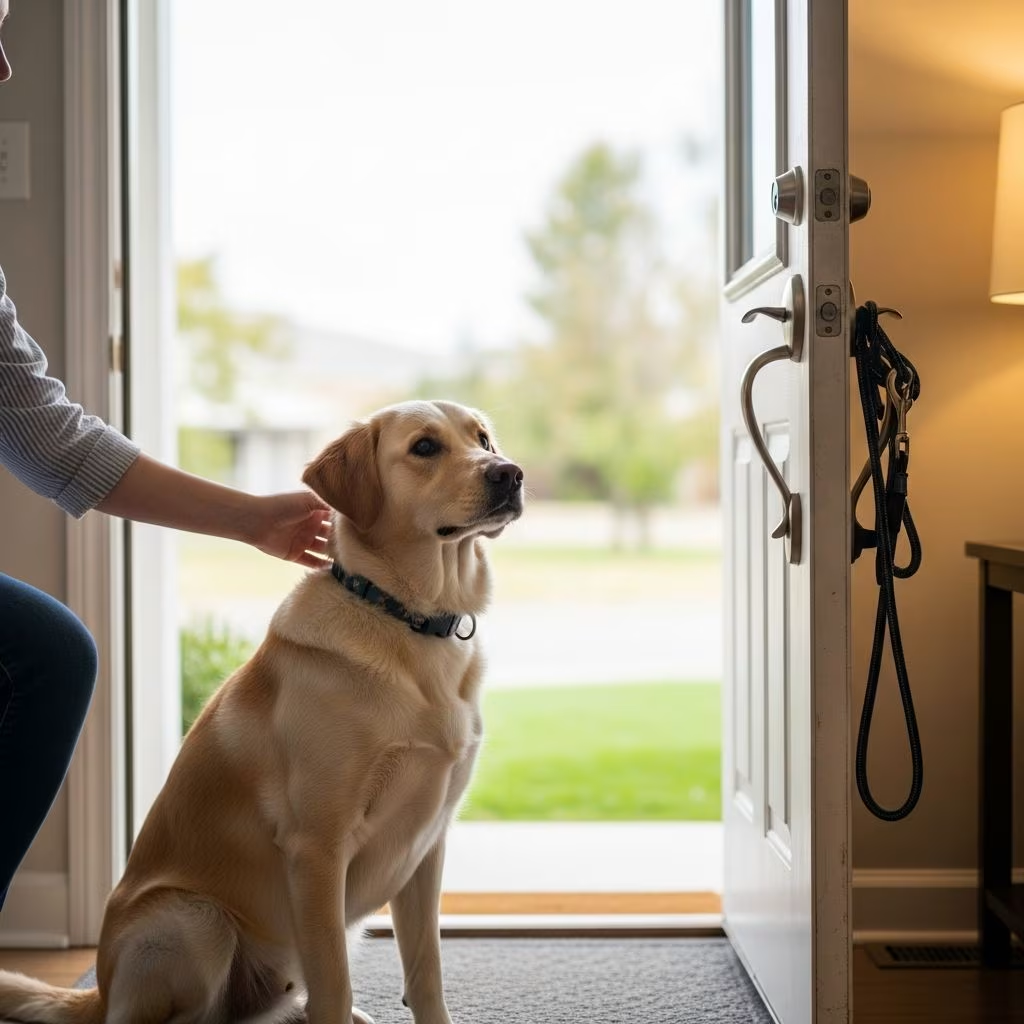
Many dog owners face the daily challenge of an overly enthusiastic pet at the front door, whether it’s frantic jumping on guests, bolting outside, or wild anticipation for walks. This guide outlines a comprehensive approach to reshaping these behaviors using positive, force-free methods grounded in behavioral science. By focusing on clear communication, management tools, and consistent rewards, you can foster a more relaxed household dynamic.
Understanding Door-Related Excitement in Dogs
Dogs often become hyperaroused at doors due to high-value triggers like visitors, leashes, or freedom. This stems from natural instincts amplified by unintentional reinforcement, such as attention from jumping or successful escapes. Common manifestations include leaping on arrivals, door-darting attempts, leash-induced bouncing, and even mild aggression from frustration. Recognizing these as learned responses rather than ‘bad’ traits is key to effective change.
Physiologically, excitement floods a dog’s system with adrenaline, making self-calming difficult without guidance. Factors like breed energy levels, age, exercise deficits, or past experiences influence intensity. For instance, high-drive breeds like Border Collies may amplify anticipation, while rescues might react from insecurity. Addressing root causes through structured training prevents escalation and builds confidence.
Core Principles of Positive Behavior Modification
Effective training hinges on three pillars: defining ideal outcomes, blocking rewards for unwanted actions, and amplifying successes. This framework, drawn from operant conditioning, ensures behaviors shift sustainably without punishment, which can heighten fear or reactivity.
- Define the Goal: Picture and verbalize the calm response you seek, like ‘sit patiently by the door.’
- Manage the Environment: Use barriers to halt problem reinforcement immediately.
- Reward Profusely: Pair treats, praise, or access to fun with good choices to make them habitual.
Consistency across household members is vital; mixed signals undermine progress. Track sessions in a journal to monitor improvements and adjust as needed.
Tools and Setup for Success
Equip your training with everyday items: leashes, tethers, baby gates, crates, high-value treats (e.g., cheese or chicken), and a clicker or marker word like ‘yes.’ Designate a ‘settle spot’ such as a mat or bed near the door for reliability.
| Tool | Purpose | Example Use |
|---|---|---|
| Tether/Leash | Prevent darting | Secure dog during guest arrivals |
| Baby Gate | Block access | Isolate during knock simulations |
| High-Value Treats | Motivate calm | Reward sit-stay at door |
| Clicker | Precise marking | Time rewards for exact behaviors |
Training for Calm Visitor Greetings
Transform chaotic welcomes into polite encounters by teaching a ‘place’ command tied to door cues. Start in a quiet space, luring your dog to the settle spot with a treat. Mark and reward arrival, then add distance. Once proficient, introduce knocks or bells as the new cue.
Progression: Begin close (2-3 feet), graduate to room-spanning dashes. If confusion arises, bridge with your verbal prompt initially. For real visitors, tether at the spot beforehand and instruct guests to ignore until settled. This prevents jumping reinforcement while rewarding compliance.
- Practice 5-10 reps daily, 3-5 minutes each.
- Fade lures as reliability grows.
- Add distractions like family movement.
Owners report 80% improvement in 2 weeks with daily practice, per behaviorist insights.
Managing Leash and Outing Anticipation
Dogs often whirl into frenzy at leash sight, associating it with adventure. Counter this with desensitization: Pick up the leash repeatedly without exiting, resetting if arousal spikes. Say ‘oops’ cheerfully and pause until calm resumes.
Desired behavior: Calm sitting for attachment. Reward by proceeding with the walk, reinforcing patience as the gateway to fun. Practice non-walk leashing around the house to normalize it. Combine with exercise routines to burn excess energy beforehand.
Pro Tip: Leash in varied locations, not just by the door, to dilute excitement triggers.
Preventing Door Darting and Escapes
Bolting poses safety risks, so prioritize prevention. Train a ‘wait’ cue: Hold the door ajar with dog leashed, rewarding sustained pauses before release. Use gates for initial control, gradually increasing door openings.
Family protocol: Never open fully if dog is unclipped. Simulate dashes by having helpers knock rapidly, tethering dog to enforce stay. Reinforce with games post-success, linking control to rewards.
Addressing Reactive or Aggressive Door Responses
For growling or snapping at arrivals/departures, rule out pain or fear via vet check. Then, apply management: Dog to crate on cues, no direct contact until calm. Redirect to toys or chews, rewarding quiet observation.
Desensitization helps: Expose to muffled door sounds at low volumes, counter-conditioning with treats. Progress slowly to avoid thresholds. Professional help recommended if aggression persists.
Building Long-Term Calm Through Lifestyle Changes
Training integrates with daily habits. Ensure 30-60 minutes daily exercise, mental puzzles, and routine to reduce baseline arousal. Teach ‘settle’ in varied contexts for generalization.
- Morning walks set positive tones.
- Enrichment toys during alone time.
- Family calm modeling influences dogs.
Monitor body language: Lip licks or whale eyes signal overload; intervene early.
Frequently Asked Questions (FAQs)
How long until I see results?
Most dogs improve in 1-3 weeks with 10-15 minute daily sessions. Puppies learn faster; adults with habits take longer.
What if my dog ignores commands during excitement?
Prevent access first, build skills in low-distraction settings, then proof.
Can I use punishment like yelling?
Avoid; it increases stress and reactivity. Positive methods yield durable calm.
Multi-dog households?
Train separately initially, then together with tethers.
Puppy vs. adult dog differences?
Puppies respond quicker to prevention; adults need more desensitization.
Advanced Techniques and Troubleshooting
For plateaus, vary rewards or add hand targets for redirection. Track via video for self-review. If fear-based, consult certified trainers (IAABC.org recommended).
Incorporate body language reading: Yawning or averting gaze means ‘back off’. Use positive interrupters like ‘gentle’ to pause antics mid-flow.
Table of Common Pitfalls:
| Pitfall | Solution |
|---|---|
| Inconsistent family rules | Group training meetings |
| Too few rewards | High-value, jackpot randomly |
| Rushing progress | Short, frequent sessions |
| Ignoring exercise needs | Daily 45-min activities |
Real-World Success Stories
Owners like Dewey’s guardians saw door calm after leash desensitization and body language focus. BC SPCA tips emphasize ignore-and-redirect for jumpers. Consistent application turns chaos to harmony.
References
- 3 Steps For Solving Your Dog’s Overexcited Behavior at the Door — Whole Dog Journal. 2023. https://www.whole-dog-journal.com/behavior/3-steps-for-solving-your-dogs-overexcited-behavior-at-the-door/
- How to Help When a Dog Gets Excited at the Door — Dog Gone Problems. 2023. https://www.doggoneproblems.com/dog-gets-excited-at-the-door-dewey/
- From Chaos to Calm: How to Manage an Overly Excited Dog — BC SPCA. 2024. https://spca.bc.ca/news/calming-overly-excited-dog-tips-tricks/
- Disobedient, Unruly and Excitable Dogs — VCA Animal Hospitals. 2025. https://vcahospitals.com/know-your-pet/disobedient-unruly-and-excitable-dogs
- How to Calm an Over Excited Dog — Cornerstone Gundog Academy. 2024. https://www.cornerstonegundogacademy.com/blog/how-to-calm-an-over-excited-dog



