

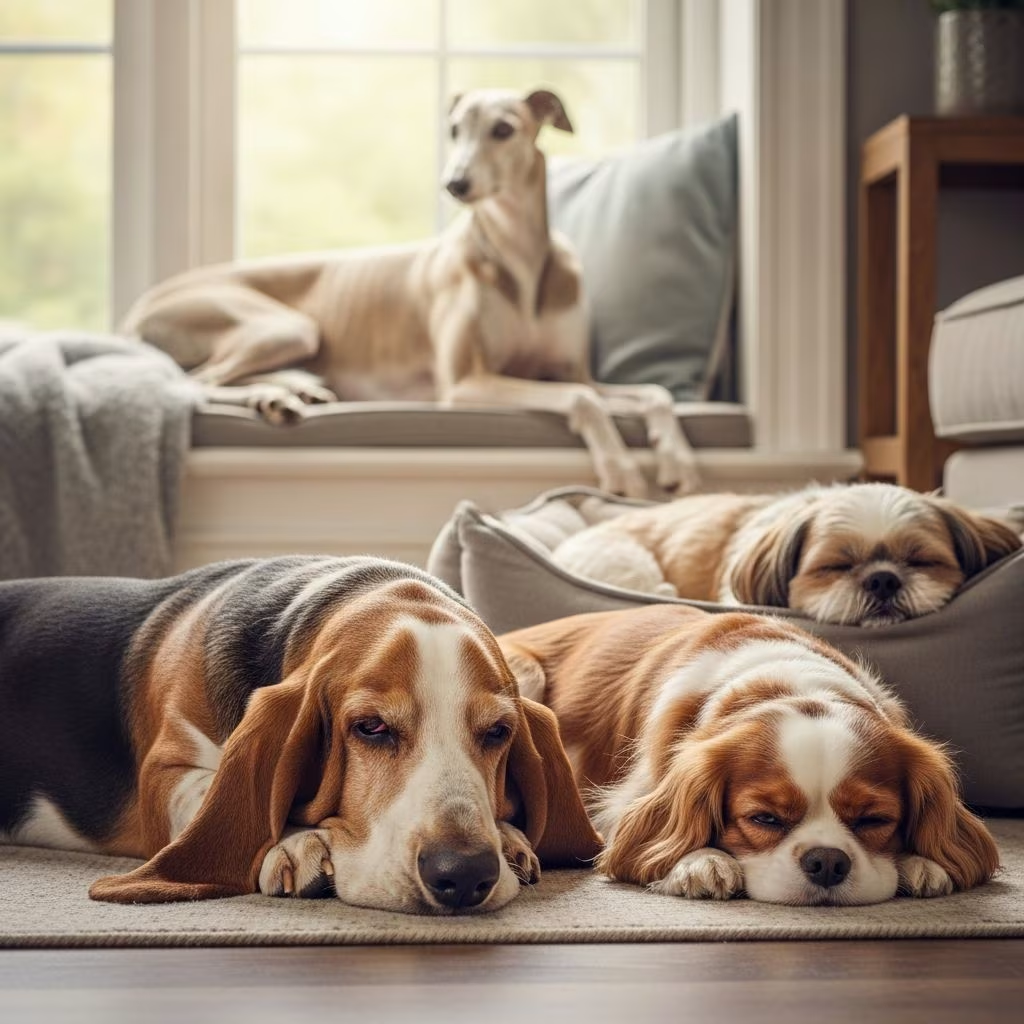
Many people dream of dog ownership but worry about fitting high-energy exercise routines into their daily lives. Low-energy dog breeds offer the perfect solution, providing unwavering loyalty and affection without demanding hours of vigorous activity. These relaxed companions are content with short walks, indoor play, and plenty of lounging time, making them ideal for apartment dwellers, seniors, busy professionals, or anyone seeking a mellow pet.
Selecting a low-energy breed involves understanding their temperament, physical needs, and historical background. Often bred for companionship, guarding, or short-burst tasks rather than endurance work, these dogs prioritize relaxation. This guide explores 12 standout low-energy breeds, detailing their characteristics, exercise requirements, and lifestyle compatibility to help you find your ideal furry friend.
Why Choose a Low-Energy Dog?
Low-energy dogs adapt well to sedentary lifestyles, reducing the risk of destructive behaviors stemming from pent-up energy. They typically need just 20-45 minutes of daily activity, often in the form of leisurely strolls or gentle games. Benefits include:
- Minimal Exercise Commitment: Perfect for those with limited mobility or time.
- Apartment-Friendly: Quiet and low-shedding options abound for small spaces.
- Family Compatibility: Gentle natures suit homes with children or other pets.
- Health Perks: Less prone to obesity with moderate activity, though monitoring diet is key.
However, ‘low-energy’ doesn’t mean zero effort. Consistent short sessions prevent weight gain and support mental stimulation. Breeds with brachycephalic (short-nosed) features require extra caution in heat.
Small and Mighty Relaxed Companions
Small breeds pack big personalities into tiny frames, often thriving as lap warmers with minimal upkeep. Here are some top picks:
Shih Tzu: The Imperial Lap Dog
Weighing 9-16 pounds, the Shih Tzu exudes regal charm with its flowing coat and expressive eyes. Originating from Tibetan royalty, these dogs prioritize cuddles over cardio. A brief daily walk or indoor fetch suffices, but their flat faces make them susceptible to overheating—opt for cool mornings or air-conditioned play.
Grooming is essential; regular brushing prevents mats. Train early for best results, as they can be stubborn yet affectionate with family.
Chinese Crested: Sleek and Serene
This unique breed comes in hairless and powderpuff varieties, both sharing a cat-like independence and low drive. At 10-13 pounds, they relish short play sessions but adore napping in sunbeams (apply sunscreen for hairless types). Delicate limbs demand gentle handling; avoid roughhousing.
They’re quiet apartment stars, hypoallergenic in hairless form, and bond deeply with owners while remaining aloof with strangers.
Pekingese: Regal and Reserved
Ancient companions to Chinese emperors, Pekingese weigh around 14 pounds and sport a lion-like mane. Low-energy by design, they prefer sedentary supervision over romps. Short walks maintain fitness; their pushed-in noses limit endurance.
Loyal to the core, they make vigilant watchdogs despite size. Weekly grooming and dental care are musts.
Medium-Sized Mellow Marvels
Medium breeds strike a balance, offering presence without overwhelming space needs.
English Bulldog: The Ultimate Couch Potato
Sturdy at 40-50 pounds, English Bulldogs embody docility with wrinkled faces and bat ears. Built for lounging, not sprinting, they thrive on 20-30 minute walks in mild weather. Brachycephalic traits mean no hot hikes—indoor puzzles keep minds sharp.
Sociable and low-maintenance in activity, they drool and snore but win hearts with clownish charm.
Basset Hound: Scent-Driven Sloths
With soulful eyes and floppy ears, Basset Hounds (50-65 pounds) track scents leisurely rather than race. Despite hunting roots, they’re happiest napping post-short walk. Nose games like treat hunts provide engagement without exhaustion.
Independent yet affectionate, they’re vocal bayers—ideal for patient owners.
Cavalier King Charles Spaniel: Gentle Cuddlers
At 13-18 pounds, Cavaliers blend elegance with adaptability. They match owner energy: playful bursts or sofa snuggles. Daily 20-minute outings suffice; their silky coat needs occasional brushing.
Heart disease risks warrant vet checks, but their sweet temperament shines in families.
Giant Guardians with Gentle Souls
Large breeds surprise with their chill vibes, guarding homes with minimal fuss.
Saint Bernard: Alpine Angels
Massive at up to 150 pounds, Saint Bernards exude calm majesty. Rescue history belies their love for lounging; moderate daily walks keep them fit. Great with kids, they shed seasonally—brush often.
Drool is inevitable, but their patience is priceless.
Great Pyrenees: Livestock Lounge Lizards
Weighing 85-120 pounds, these fluffy guardians adapt to activity levels. Bred to watch flocks quietly, they lounge by day and patrol softly at night. Fenced yards allow low-key roaming.
Independent thinkers need consistent training; double coats demand grooming.
Mastiff: Majestic Minimalists
Mastiffs (120-230 pounds) protect with presence alone. Low-energy titans prefer owner proximity over play. Short leashed walks prevent joint strain; their wrinkled skin requires cleaning.
Gentle giants, they’re wary of strangers but devoted to family.
Unexpected Low-Energy Athletes
Greyhound: Sprint-and-Snooze Specialists
Racing legends (60-70 pounds) morph into homebodies post-track. Long legs crave one daily sprint or walk, then couch dominion. Thin coats need blankets in cold; they’re sight hounds—secure fencing essential.
Chow Chow: Aloof Aristocrats
At 45-70 pounds, Chow Chows bear lion manes and blue tongues. Independent and reserved, they need brief outings; grooming combats heavy shedding. Early socialization tempers aloofness.
Clumber Spaniel: Droopy Dreamers
Stocky at 55-70 pounds, Clumber Spaniels sport sleepy eyes matching their vibe. Hunting heritage means fetch in yards, but low stamina rules. Socialize for mellowness.
Exercise and Care Essentials for Low-Energy Breeds
Even chill dogs need routine:
| Breed Size | Daily Exercise | Key Health Watch |
|---|---|---|
| Small | 15-25 min | Heat sensitivity, dental |
| Medium | 20-35 min | Joints, breathing |
| Large | 30-45 min | Hips, obesity |
Mental stimulation via toys or training equals physical. Monitor weight; many brachycephalic breeds face respiratory issues.
Lifestyle Matching: Is a Low-Energy Dog Right for You?
Assess your routine: apartments favor small/quiet types; families need kid-friendly giants. Allergies? Hypoallergenic options like Cresteds. Seniors benefit from minimal grooming breeds like Greyhounds.
FAQs: Low-Energy Dog Breeds
What is the lowest-energy dog breed?
Bulldogs, Basset Hounds, and Shih Tzus top lists for minimal needs, content with short walks.
Are these breeds good for apartments?
Yes—low barking and exercise make them ideal for small spaces.
Do low-energy dogs suit active families?
Many adapt, like Great Pyrenees or Cavaliers, ramping up as needed.
How much exercise do they really need?
Typically 20-45 minutes daily, split into sessions.
Any training challenges?
Stubbornness in some (e.g., Bassets, Chows) requires positive reinforcement.
References
- 13 Low-Energy Dog Breeds — PetMD (Erica Puisis). 2023. https://www.petmd.com/dog/general-health/low-energy-dog-breeds
- Top 10 Low Energy Dog Breeds Who Love Being Lazy — Up Dog Shop. 2024. https://updogshop.com/blogs/news/low-energy-dogs
- What Are The Best Low Energy Dog Breeds To Relax With? — Petworks. 2023. https://www.petworks.com/articles/low-energy-dog-breeds/
- Top 15 Low-Energy Dog Breeds for Laid-Back Owners — Healthy Paws Pet Insurance. 2024. https://www.healthypawspetinsurance.com/blog/dog-breed-guide/top-low-energy-dog-breeds.html
- Best Lazy Dog Breeds: 25+ Low Energy Dogs for Busy Owners — Potty Buddy. 2024. https://pottybuddy.co/blogs/potty-buddy-blog/best-bog-breeds-for-lazy-owners



