

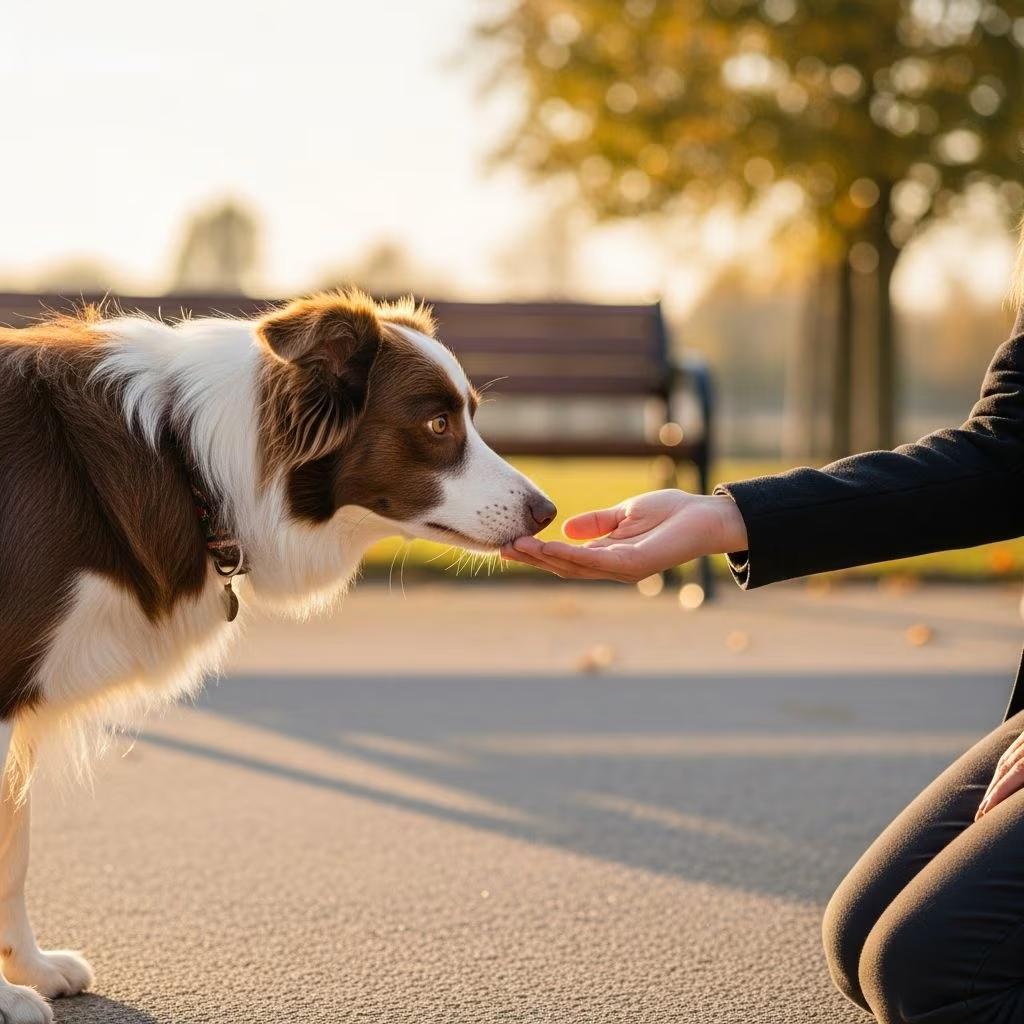
Many dog owners face the challenge of overexcited pets during visitor arrivals. Dogs often bark, jump, or lunge at the door, turning simple visits into stressful events. Using physical barriers like dog gates combined with targeted training offers a reliable solution to foster calm behavior. This approach prioritizes safety, consistency, and positive reinforcement to reshape your dog’s response to doorbells and knocks.
Why Dogs React Strongly to Visitors
Dogs perceive door activity as high-stakes events. The sound of a knock or doorbell triggers their alert system, rooted in ancestral instincts to protect territory. Excitement builds from anticipation, especially if past greetings involved attention for jumping or barking. Without guidance, this energy escalates into unwanted actions like nipping or excessive vocalization.
Understanding these triggers is key. High-arousal states make learning difficult, so management tools prevent rehearsals of poor habits while building new ones. Barriers create space for de-escalation, allowing dogs to observe without direct interaction initially.
Selecting the Ideal Dog Gate Setup
Choose a sturdy, adjustable dog gate that fits your doorway or hallway. Pressure-mounted models work well for renters, while hardware-mounted ones suit permanent installations. Opt for gates tall enough to deter jumping—typically 36 inches or higher for medium to large breeds—and with narrow bar spacing to prevent squeezing through.
- Freestanding gates: Versatile for room division, easy to reposition.
- Expandable gates: Customize width for various openings.
- Gate extensions: Add height or width for active dogs.
Position the gate strategically: across the entryway or creating a ‘safe zone’ in an adjacent room. This setup lets your dog see arrivals without physical access, reducing frustration while promoting calm observation.
Building a Designated Calm Zone
Create a comfortable ‘settle area’ behind the gate equipped with a cozy bed, durable toys, and fresh water. This becomes your dog’s go-to spot for visitor arrivals. Introduce it during low-stakes times to build positive associations.
Start with short sessions: Guide your dog to the zone with a treat lure, rewarding settling with praise and chews. Gradually add door simulations like soft knocks. Consistency turns this into a reliable cue, such as ‘place’ or ‘settle.’
| Zone Essential | Purpose | Tips |
|---|---|---|
| Orthopedic bed | Promotes relaxation | Choose chew-resistant material |
| Interactive toys | Distracts and engages | Rotate to maintain interest |
| Kong with treats | Long-lasting occupation | Freeze peanut butter inside |
| Water bowl | Hydration without spills | Use no-tip design |
Step-by-Step Training Protocol
Implement a progressive plan blending management and reinforcement. Begin in controlled settings before real visits.
Phase 1: Desensitization to Triggers
Play doorbell sounds at low volume via an app, rewarding calm behavior from the zone. Progress to family members knocking from outside. If arousal spikes, reset by increasing distance or using the gate barrier.
- Cue dog to zone before trigger.
- Mark calm (clicker or ‘yes’) and treat.
- Build duration: 5 seconds to minutes.
Phase 2: Controlled Helper Practice
Enlist a friend as a ‘decoy visitor.’ Instruct them to ignore the dog—no eye contact or talk—until settled. Leash your dog if needed, guiding back to the zone for resets.
Success metric: Dog remains seated or lying down for 30 seconds post-entry.
Phase 3: Real-World Application
Tire your dog with pre-visit exercise like a 30-minute walk. Inform guests of the plan: Pause at the door, wait for calm. Reward lavishly once composed.
Positive Reinforcement Techniques
Focus on what works: Reward desired actions to strengthen them. Use high-value treats like chicken or cheese for motivation. Pair visitor presence with goodies tossed into the zone, creating joyful links.
- Avoid punishment; it heightens fear and reactivity.
- Ignore bad behavior; attention fuels it.
- Pet gently post-calmness to reinforce.
Clicker training shines here: Precise timing marks exact calm moments, accelerating learning.
Addressing Common Challenges
Persistent Barking: Counter-condition by feeding treats through the gate during simulated knocks, fading as response improves.
Jumping Attempts: Shorten leash or reinforce gate height; practice ‘four on the floor’ rewards.
Fearful Dogs: Keep out of sight initially (crate or separate room), gradually introducing at sub-threshold distances with counter-conditioning.
For nippy dogs, prioritize consent-based greetings: Let them approach hands first, watching body language for stress signals like lip licks or ear pinning.
Preparing for Long-Term Success
Practice weekly, varying scenarios for generalization. Use door signs requesting calls before knocking to control timing. Track progress in a journal: Note triggers, responses, and improvements.
Maintenance sessions prevent regression. As proficiency grows, fade treats to verbal praise or play, but retain the gate for unpredictable high-energy days.
Benefits Beyond the Doorway
This training enhances overall impulse control, benefiting walks, vet visits, and family gatherings. Dogs learn self-regulation, reducing stress for everyone. Owners report fewer incidents and stronger bonds through clear leadership.
Frequently Asked Questions
How long until my dog calms at the door?
Typically 2-4 weeks with daily 10-minute sessions, varying by age, breed, and consistency.
Can puppies learn this?
Yes, start young for best results; use softer triggers and shorter durations.
What if my dog destroys the zone?
Supervise initially; provide destructible toys like bully sticks to redirect energy.
Is a gate enough without training?
No—management prevents issues, but training teaches lasting skills.
How to handle multiple dogs?
Train individually first, then together with ample space and rewards.
References
- Training Your Dog to Behave Around Guests — Whole Dog Journal. 2023-05-15. https://www.whole-dog-journal.com/behavior/training-your-dog-to-behave-around-guests/
- From Doorbell Disaster to Gracious Greeter: Training Your Dog to Greet Guests Politely — Pet Dog Trainer. 2024-02-10. https://www.petdogtrainer.com/blog/from-doorbell-disaster-to-gracious-greeter-training-your-dog-to-greet-guests-politely
- 8 Ways to Help Your Dog Get Used to Visitors — Dog-G8. 2023-11-20. https://www.dog-g8.com/blogs/blog/8-ways-to-help-your-dog-get-used-to-visitors-so-everyone-can-relax
- Visitors at the Door? Here’s How to Help Your Dog Behave Properly Around Guests — Positive Pets Boise. 2024-01-05. https://www.positivepetsboise.com/visitors-at-the-door-heres-how-to-help-your-dog-behave-properly-around-guests/
- Teaching Your Dog to Be Calm with Visitors at the Front Door — Four Legged Scholars. 2016-04-01. https://fourleggedscholars.com/blog/2016/04/01/teaching-your-dog-to-be-calm-with-visitors-at-the-front-door/



