

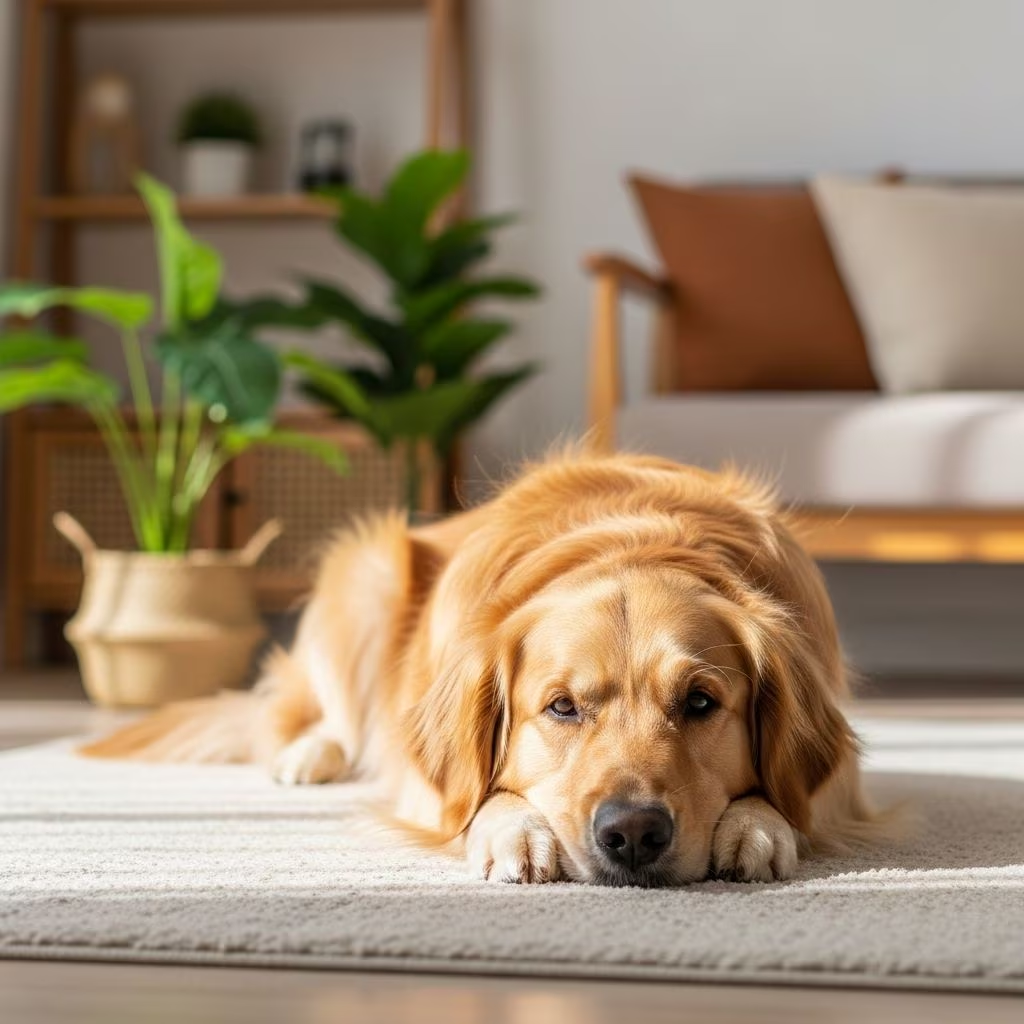
When considering adding a dog to your household, energy level often ranks among the most important factors. Some people lead busy lives, live in compact spaces, or simply prefer a quieter home environment. For these individuals, selecting a low-energy dog breed can transform pet ownership into a genuinely enjoyable experience rather than a constant struggle to meet exercise demands. Understanding which breeds naturally gravitate toward relaxation and comfort can help potential owners make informed decisions that benefit both themselves and their future canine companions.
Understanding Low-Energy Dog Characteristics
Low-energy dogs possess distinctive traits that set them apart from their more active counterparts. These breeds typically demonstrate a strong preference for indoor lounging over outdoor activities, contentment with brief daily walks rather than extended exercise sessions, and a generally calm demeanor that rarely involves excessive excitement or hyperactivity. Rather than viewing low energy as laziness, it’s more accurate to understand it as a natural temperament preference built into certain breeds through generations of selective breeding.
Most low-energy breeds share common characteristics: they adapt well to apartment or smaller home environments, maintain relatively quiet dispositions with minimal barking, and show patience and gentle behavior toward family members. These dogs often form strong bonds with their owners through quiet companionship rather than demanding play sessions. They’re content with a comfortable spot on the couch and derive satisfaction from simply being near their human companions.
Toy and Small Breed Options for Compact Living
For apartment dwellers or those with limited space, toy and small low-energy breeds offer perfect solutions. These diminutive companions pack significant personality into their tiny frames while demanding minimal exercise.
The Pomeranian represents an interesting case within small breeds. Although they display spirited and confident personalities, weighing only 3-7 pounds, they satisfy their energy needs through short indoor play sessions and brief walks totaling 20-30 minutes daily. These intelligent and trainable dogs make excellent watchdogs despite their small stature, though potential owners should prepare for some barking tendency.
The Cavalier King Charles Spaniel brings sweetness and cuddle-loving nature to toy breed options. With moderate energy levels, these adaptable and friendly dogs enjoy short play sessions and daily walks but thrive in calmer households. Their beautiful coats require regular grooming attention, but grooming time can become a peaceful bonding activity rather than a demanding chore.
Shih Tzus excel as indoor companions for apartment living. These affectionate dogs require minimal exercise and genuinely prefer relaxing in comfortable home environments. While their luxurious coats demand regular grooming to prevent matting, many owners find this grooming routine meditative and enjoyable, strengthening their connection with their pets.
The Italian Greyhound offers a smaller alternative to its larger relatives. These elegant and affectionate dogs need only minimal exercise through short walks and indoor play. One important consideration: Italian Greyhounds are sensitive to cold weather, requiring dog sweaters during winter months in cooler climates.
Medium-Sized Calm Companions
Medium-sized low-energy breeds provide an excellent middle ground for those wanting more substantial dogs without extreme exercise demands. These breeds often deliver surprising calm indoors despite their working or sporting heritage.
The Basset Hound stands out as one of the most recognizable low-energy breeds, famous for droopy ears and soulful eyes. Known for their minimal energy levels and love of napping, Basset Hounds enjoy short walks and then happily retreat to comfortable resting spots. These gentle and laid-back companions show friendliness toward children and other animals. Important care consideration: their floppy ears require regular cleaning to prevent ear infections, but this grooming need presents an opportunity for close bonding time.
The Chow Chow brings distinctive personality with its lion-like mane. These independent dogs genuinely enjoy lounging and require only short daily walks. Their double coat demands regular grooming, especially in warm weather, making consistent grooming part of their care routine. Chow Chows suit owners preferring quieter dogs with dignified, protective temperaments.
Clumber Spaniels surprise many people with their remarkably low energy despite their sporting heritage. The droopy eyes and sleepy expression that characterize the breed reflect their genuinely mellow nature. These good-natured dogs benefit from proper socialization as puppies but remain fundamentally calm and relaxed indoors. While they enjoy outdoor excursions, they don’t demand the high-activity lifestyle associated with many spaniel breeds.
The Chinese Shar-Pei makes an excellent choice for those drawn to distinctive appearances. Weighing 45-60 pounds with their characteristic wrinkled skin, these calm and independent dogs require only 30-40 minutes of leisurely daily walks. Though they display stubborn tendencies requiring patient training and early socialization, Shar-Peis prove deeply affectionate and devoted to their families while maintaining naturally aloof attitudes toward strangers.
Surprisingly Calm Large Breeds
Perhaps most surprising to potential dog owners, several large breeds demonstrate genuinely low energy levels despite their imposing size. These gentle giants challenge common assumptions about bigger dogs requiring more activity.
The English Bulldog exemplifies low-energy perfection. With their stocky build and easygoing nature, these dogs epitomize relaxation. A few short walks daily satisfy their exercise needs, and they thrive in apartment living despite their size. Critical care concern: English Bulldogs show sensitivity to heat and extreme temperatures, so owners should avoid walking them during the hottest times of day. This breed’s laid-back nature makes them ideal for families seeking calm, affectionate companions.
Greyhounds astonish many people with their classification as low-energy dogs. Bred for speed, these large dogs transform into certified couch potatoes in home environments, often referred to as “45-mile-per-hour couch potatoes.” In domestic settings, Greyhounds require only brief walks and indoor play, making them surprisingly suitable for apartment living. While they do need daily outlets for their pent-up physical energy—a leashed walk or short sprint in a fenced space—their general demeanor remains remarkably relaxed.
The Saint Bernard stands among the most low-energy large breeds. These gentle giants reaching up to 150 pounds possess laid-back demeanors and reputations as one of the calmest dog breeds. Sociable and excellent with children, Saint Bernards remain happy and content with moderate daily walks. Their size requires consideration for space and food costs, but their fundamentally calm nature makes them surprisingly manageable.
Great Danes surprise owners expecting hyperactivity from such large dogs. Despite their size, these gentle giants prove surprisingly calm indoors, content with moderate walks and indoor relaxation. They’re affectionate and protective, making excellent family companions. Their large size means they require high-quality nutrition, but their relaxed nature prevents the exhausting exercise demands some expect from big dogs.
The Bernese Mountain Dog demonstrates that working heritage doesn’t necessitate high energy in modern family settings. Despite a history as a farm dog, most Bernese Mountain Dogs prefer spending majority of their day on sofas or cushy beds. These good-natured and patient dogs readily play with family members while maintaining fundamentally calm dispositions. Their thick double coats require regular brushing and create overheating risks in warm weather, necessitating careful exercise management during summer months.
Additional Calm Breed Considerations
Several other breeds merit consideration for those seeking truly relaxed companions. The Bergamasco Sheepdog offers calm, loyal, and intelligent temperaments with minimal grooming needs despite its distinctive matted coat appearance. These low-maintenance dogs benefit from training approaches respecting their need to understand the “why” behind commands.
Tibetan Spaniels, traditionally companions of Buddhist monks, bring especially gentle dispositions. These small dogs prove eager to please while maintaining playful and laid-back attitudes. Their intelligence makes them excellent students for dog sports training when owners choose to pursue such activities.
Pekingese dogs blend outgoing and friendly natures with genuinely calm, kind temperaments. While affectionate toward their owners and enjoying quality time together, Pekingese also appreciate alone time. These dogs generally prefer adult-focused households over those with small children.
Exercise and Activity Guidelines for Low-Energy Breeds
A common misconception about low-energy breeds suggests they require no exercise whatsoever. In reality, low-energy breeds still need regular physical activity, albeit significantly less than high-energy counterparts. Daily exercise requirements typically range from 15-60 minutes depending on breed size and specific characteristics. Small breeds often satisfy exercise needs through 20-30 minutes of combined short walks and indoor play, while larger breeds typically need 30-45 minutes of moderate activity.
These activity sessions serve important purposes beyond physical fitness. They provide mental stimulation, opportunities for bathroom breaks, and necessary muscle maintenance. Even for naturally relaxed dogs, complete sedentary lifestyles can contribute to weight gain and behavioral issues. The key difference is that low-energy breeds don’t require extensive outdoor activities or high-intensity play—leisurely walks, gentle indoor games, and mental enrichment activities suffice.
Breed-Specific Care Considerations
Beyond exercise needs, different low-energy breeds present specific care requirements owners should understand before commitment. Breeds with floppy ears like Basset Hounds require regular cleaning to prevent infections. Dogs with wrinkled skin such as Shar-Peis need careful skin fold cleaning. Large breeds with double coats including Bernese Mountain Dogs and Great Danes require consistent brushing and benefit from careful heat management.
Some breeds demonstrate stubborn streaks requiring patient, consistent training. Chinese Shar-Peis and Chow Chows, for example, benefit from early socialization and firm but kind training approaches. Understanding breed-specific temperament traits helps owners develop effective training strategies rather than fighting against natural tendencies.
Ideal Household Matches
Low-energy breeds suit various household situations exceptionally well. Apartment dwellers benefit significantly from small and medium low-energy breeds that adapt comfortably to limited space without requiring extensive outdoor access. Busy professionals appreciate breeds satisfied with brief exercise sessions fitting around work schedules. Elderly individuals and retirees often find perfect companions in calm breeds offering quiet companionship without demanding constant engagement.
Families with young children gain from naturally patient, gentle breeds like Great Danes and Bernese Mountain Dogs, though supervision remains important. First-time dog owners often experience greater success with trainable, calm breeds that forgive minor training mistakes rather than demanding perfect execution of commands.
Frequently Asked Questions
Do low-energy dogs require less training than active breeds?
Low-energy dogs don’t inherently require less training; however, their calm temperaments often make training more straightforward. They typically show less tendency toward destructive behaviors rooted in excess energy. Some breeds display stubborn independence requiring patient, consistent training approaches, while others prove eager to please and quick learners.
Can low-energy dogs live in apartments successfully?
Many low-energy breeds thrive in apartment environments. Smaller breeds especially adapt well to limited space. The key consideration is meeting their modest exercise needs through daily walks and play, regardless of living situation.
Are low-energy dogs good for families with children?
Many low-energy breeds excel with families, particularly those demonstrating patience and gentle temperaments. Breeds like Great Danes and Bernese Mountain Dogs are known for excellent behavior with children, though individual dog personalities vary and supervision remains important.
What’s the difference between low-energy and lazy dogs?
Low-energy describes a breed’s natural temperament and exercise requirements. Laziness implies unwillingness to engage in necessary activities. Low-energy dogs still require appropriate exercise and stimulation for optimal health; they simply need less than more active breeds.
How long do low-energy dog breeds typically live?
Lifespan varies by breed. Small breeds often live 12-18 years, while large breeds may live 8-12 years. Proper nutrition, regular veterinary care, and appropriate exercise contribute to longevity across all breeds.
References
- 9 Best Low-Energy Dog Breeds — Modern Veterinary Medicine. 2024. https://modernvetga.com/9-best-low-energy-dog-breeds/
- 13 Low-Energy Dog Breeds — PetMD. 2024. https://www.petmd.com/dog/general-health/low-energy-dog-breeds
- Best Lazy Dog Breeds: 25+ Low Energy Dogs for Busy Owners — Potty Buddy. 2024. https://pottybuddy.co/blogs/potty-buddy-blog/best-bog-breeds-for-lazy-owners
- 10 Low Energy Dog Breeds — WebMD Pets. 2024. https://www.webmd.com/pets/dogs/low-energy-dog-breeds



