

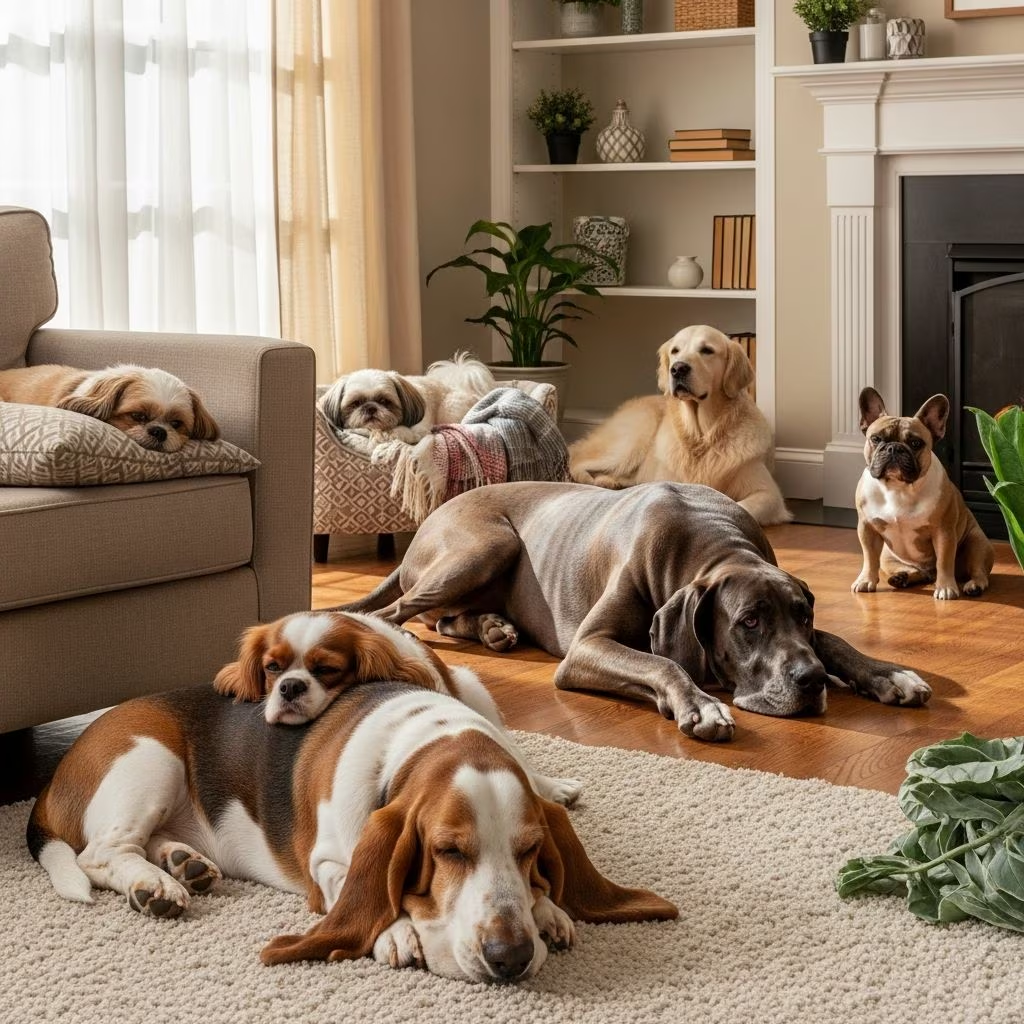
Many dog lovers seek companions that match their relaxed pace of life. Low-energy dog breeds offer loyalty and affection without demanding hours of vigorous activity. These dogs excel in apartments, with seniors, or alongside busy professionals who prioritize quality time over endless play sessions. Understanding their needs ensures a harmonious bond.
Defining Low-Energy Dogs
Low-energy dogs prefer short walks, indoor lounging, and gentle interaction over intense exercise. Factors like breed history, body structure, and genetics contribute to their mellow nature. For instance, breeds originally developed for guarding or companionship often conserve energy rather than expend it on constant motion.
These canines typically need 20-40 minutes of daily activity, such as a leisurely stroll or brief play, to stay healthy. They adapt well to indoor living, making them ideal for urban dwellers or those with limited mobility. However, all dogs benefit from mental stimulation like puzzle toys to prevent boredom.
Ideal Lifestyles for Mellow Mutts
Low-energy breeds shine in specific settings:
- Apartment Dwellers: Quiet and compact, they avoid disturbing neighbors with excessive barking or running.
- Seniors or Less Active Owners: Their gentle pace matches slower routines, providing companionship without exhaustion.
- Busy Families: Short bursts of attention suffice, fitting irregular schedules.
- Families with Kids: Many are patient and tolerant, though supervision is key for larger breeds.
Despite their chill vibe, regular vet check-ups and weight management are crucial, as inactivity can lead to obesity.
Featured Low-Energy Breeds by Size
Breeds vary by size, each bringing unique traits to relaxed homes. Here’s a curated selection supported by veterinary insights.
Small Wonders: Compact Calm Companions
Small breeds pack big personality into tiny frames, perfect for cozy spaces.
| Breed | Weight Range | Daily Exercise | Key Traits |
|---|---|---|---|
| Shih Tzu | 9-16 lbs | 15-20 min walk + play | Affectionate lap dog; heat-sensitive; long coat needs grooming |
| Cavalier King Charles Spaniel | 13-18 lbs | 20-30 min gentle walk | Velcro dog, loves cuddles; heart health monitoring advised |
| Pekingese | 14 lbs avg | 10-15 min indoor/outdoor | Regal, independent; brachycephalic breathing issues |
These pint-sized pals thrive on attention and short interactions, avoiding overheating in warm climates.
Medium Marvels: Balanced and Blissful
Medium dogs offer versatility without overwhelming space requirements.
| Breed | Weight Range | Daily Exercise | Key Traits |
|---|---|---|---|
| English Bulldog | 40-50 lbs | Short walk in cool weather | Docile, sturdy; prone to respiratory issues |
| Basset Hound | 40-65 lbs | Slow walks + scent games | Scent-driven, independent; ear care essential |
| French Bulldog | 16-28 lbs | 15-20 min daily | Playful yet lazy; great with kids, quiet |
| Clumber Spaniel | 55-70 lbs | Moderate walks + fetch | Mellow hunter heritage; socialization key |
Basset Hounds, for example, love nose work over runs, channeling their hunting roots lazily.
Giant Gentles: Majestic Yet Mellow
Large breeds surprise with their sofa-spud tendencies despite impressive statures.
| Breed | Weight Range | Daily Exercise | Key Traits |
|---|---|---|---|
| Great Dane | 100-200 lbs | Moderate walk | Gentle giants; space needed, low activity |
| Saint Bernard | 120-150+ lbs | Daily moderate walk | Calm, kid-friendly; drool alert |
| Irish Wolfhound | 105-120 lbs | Flexible, lounging OK | Sensitive, adaptable; tallest breed |
| Mastiff | 120-230 lbs | Short daily walk | Protective lounger; loyal guardian |
| Great Pyrenees | 85-120 lbs | Low; guarding instinct | Independent, family-oriented |
| Greyhound | 60-70 lbs | Short sprint + walk | Couch potato post-race; speedy heritage |
Surprisingly, Greyhounds sprint briefly then nap for hours, defying their racing past.
Care Essentials for Relaxed Rovers
Maintaining health in low-energy dogs focuses on prevention.
Exercise Tailored to Temperament
Aim for consistency: 20-30 minutes split into sessions. Indoor games like treat hunts engage without overexertion. Avoid heat for flat-faced breeds to prevent breathing distress.
Nutrition and Weight Control
Sedentary lifestyles demand calorie awareness. Feed breed-appropriate formulas, monitor portions, and use puzzle feeders for mental workout. Obesity risks joint issues in giants like Mastiffs.
Grooming and Health Monitoring
- Coated Breeds (Shih Tzu, Chow Chow): Weekly brushing prevents mats.
- Wrinkle-Prone (Shar-Pei, Bulldogs): Daily cleaning avoids infections.
- Common Concerns: Hip dysplasia in larges; regular vet visits essential.
Mental enrichment via toys or training keeps them sharp without physical strain.
Training Tips for Tranquil Tails
Low-energy doesn’t mean untrainable. Positive reinforcement works best for their gentle spirits. Start early for socialization, especially independents like Chow Chows. Short, fun sessions prevent frustration.
Commands like “settle” reinforce calm behavior, ideal for apartment harmony.
Low-Energy Breeds in Real Homes
Owners rave about these dogs’ adaptability. A senior might pair with a Cavalier for gentle walks, while a family enjoys a Great Dane’s watchful lounging. Success hinges on matching lifestyle to breed quirks—like space for giants.
Frequently Asked Questions
Are low-energy dogs suitable for apartments?
Yes, their minimal barking and exercise needs make them excellent for small spaces.
What’s the lowest energy large breed?
Mastiffs and Saint Bernards top lists, content with brief outings.
Do they get along with children?
Many, like Great Pyrenees, are patient, but supervise with toddlers due to size.
How much exercise is truly enough?
20-40 minutes daily, adjusted for age and health; quality over quantity.
Are they prone to health issues?
Brachycephalic breeds face breathing challenges; larges risk joints—vet care key.
Choosing a low-energy breed transforms companionship into effortless joy. Research breeders or rescues, prioritizing health-tested lines for lasting bonds.
References
- 13 Low-Energy Dog Breeds — PetMD (Erica Puisis). 2023-2024. https://www.petmd.com/dog/general-health/low-energy-dog-breeds
- Top 10 Low Energy Dog Breeds Who Love Being Lazy — Up Dog Shop. 2023-2025. https://updogshop.com/blogs/news/low-energy-dogs
- What Are The Best Low Energy Dog Breeds To Relax With? — Petworks. 2024. https://www.petworks.com/articles/low-energy-dog-breeds/
- Best Lazy Dog Breeds: 25+ Low Energy Dogs for Busy Owners — Potty Buddy. 2024. https://pottybuddy.co/blogs/potty-buddy-blog/best-bog-breeds-for-lazy-owners



