

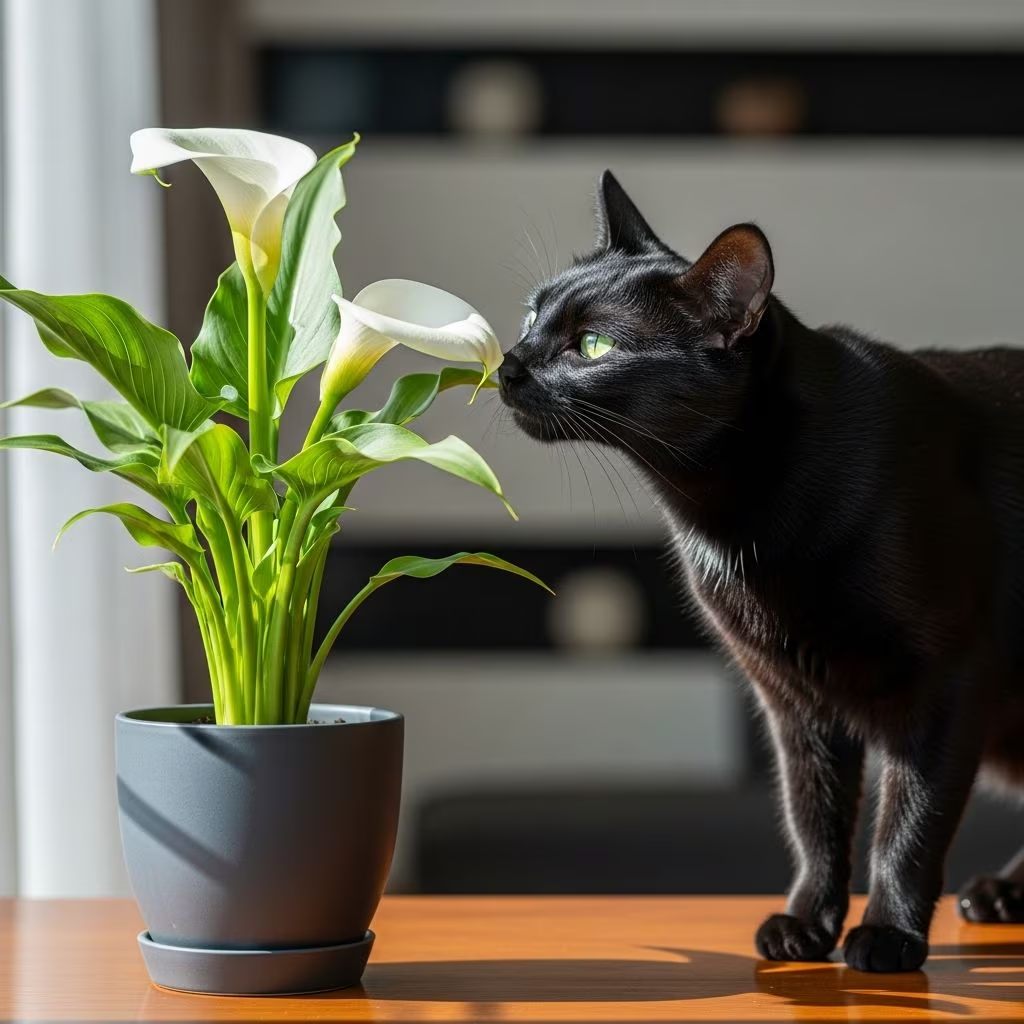
Calla lilies, admired for their elegant trumpet-shaped blooms, can irritate cats’ mouths and throats due to insoluble calcium oxalate crystals released when chewed, but they do not cause the severe kidney failure associated with true lilies.
Understanding Plant Toxicity in Felines
Cats face risks from household plants because of their curious nature, often nibbling leaves or flowers. While many plants pose mild threats, some lead to serious issues. Calla lilies (Zantedeschia aethiopica) belong to the Araceae family and contain sharp crystals that penetrate soft tissues upon ingestion. Unlike Lilium species, which produce a metabolite causing acute renal failure even from pollen or vase water, calla lilies trigger localized burning without systemic organ damage.
This distinction matters for cat owners decorating with florals. True lilies like Easter, Tiger, Stargazer, and daylilies (Hemerocallis) are uniformly deadly; ingestion of any part can kill within days without prompt intervention. Calla lilies, peace lilies, and Peruvian lilies cause discomfort but recover fully with basic care.
Symptoms of Calla Lily Exposure in Cats
When a cat chews calla lilies, crystals embed in the mouth, tongue, lips, and esophagus, provoking immediate reactions. Key signs include:
- Intense oral pain and burning sensation
- Excessive drooling and pawing at the mouth
- Vomiting from irritation
- Difficulty swallowing or hypersalivation
- Lethargy or hiding due to discomfort
These effects appear within minutes and subside in hours to a day as crystals dissolve or pass. Rarely, airway swelling occurs, demanding urgent care. In contrast, true lily symptoms start with vomiting (1-3 hours), progress to polydipsia/polyuria (12-30 hours), and culminate in anuria and death (24-72 hours).
| Plant Type | Toxins | Main Symptoms in Cats | Severity |
|---|---|---|---|
| True Lilies (Lilium spp.) | Unknown metabolite | Vomiting, lethargy, kidney failure | Fatal without treatment |
| Daylilies (Hemerocallis spp.) | Unknown metabolite | Same as true lilies | Fatal without treatment |
| Calla Lily (Zantedeschia) | Calcium oxalates | Oral irritation, drooling, vomiting | Mild, self-resolving |
| Peace Lily | Calcium oxalates | Oral irritation, drooling | Mild |
Immediate Actions if Your Cat Ingests Calla Lilies
Spotting exposure early improves outcomes. Rinse your cat’s mouth gently with cool water or milk to neutralize crystals—dairy helps dissolve oxalates. Avoid forcing anything if the cat resists, as stress worsens distress. Contact a vet or poison hotline like ASPCA at (888) 426-4435 immediately.
Do not induce vomiting for oxalate plants, as crystals already irritate en route. Vets may provide pain relief, anti-inflammatories, or subcutaneous fluids for hydration. Most cats recover within 24 hours without hospitalization. For true lilies, rush to an emergency clinic for decontamination, IV fluids, and possibly hemodialysis.
Why Cats Are Uniquely Vulnerable
Felines process certain compounds poorly due to limited liver enzymes, explaining why lilies devastate cats but only upset dogs’ stomachs. Even tiny amounts—pollen on fur licked during grooming—trigger true lily toxicity. Calla lily risks stem from mechanical irritation, affecting cats and dogs alike. Grooming habits amplify exposure, as cats ingest plant matter while cleaning.
Creating a Cat-Safe Home Environment
Prevention trumps treatment. Opt for non-toxic plants like spider plants, Boston ferns, or cat grass. Keep all lilies—true or otherwise—out of reach or absent from homes with cats. Secure bouquets high up and discard vase water promptly.
For gardens, identify plants accurately; apps or extension services help. Educate visitors: no lilies as gifts. Indoor cats benefit from safe chew toys redirecting nibbling instincts.
- Pet-Safe Alternatives: African violets, orchids (non-lily), parlor palms
- Dangerous Lookalikes: Lily of the valley (cardiac toxins), oleander
- Training Tips: Use bitter sprays on plants, provide vertical gardens
Common Misconceptions About Lily-Like Plants
Many assume all “lilies” endanger cats equally—a dangerous error. Peruvian lilies (Alstroemeria) cause only stomach upset. Names mislead: calla and peace lilies aren’t Lilium relatives. Lily of the valley poisons hearts, not kidneys. Verify scientific names before assuming safety.
Veterinary Insights and Prognosis
With calla lilies, prognosis excels—near 100% recovery if symptoms are mild. True lily survival hinges on treatment within 18 hours; delays mean irreversible damage. Facilities like Angell offer advanced therapies like hemodialysis, boosting odds. Regular checkups and owner vigilance prevent tragedies.
FAQ: Calla Lilies and Cat Safety
Are calla lilies fatal to cats?
No, they cause temporary oral pain from crystals, not organ failure.
What if my cat licks calla lily pollen?
Rinse mouth; monitor for drooling. Unlikely to cause severe issues unlike true lily pollen.
How do I distinguish safe from toxic lilies?
True lilies: Lilium spp.; daylilies: Hemerocallis. Others like calla are irritants only.
Can milk treat calla lily ingestion?
Yes, it binds crystals effectively.
Are there lilies safe for cat homes?
No true lilies; opt for non-lily ornamentals.
Long-Term Strategies for Pet Plant Harmony
Build awareness through labels on pots and family rules. Join pet owner forums for updates on emerging risks. Invest in enclosed plant areas or catios. Annual vet toxin discussions ensure preparedness. By prioritizing education, cat owners enjoy greenery without peril.
Expanding on prevention, consider hydroponic setups inaccessible to pets. Natural deterrents like citrus peels repel nibblers. For multi-pet homes, tailor strategies: dogs ignore plants more than cats. Track seasonal risks—Easter lilies spike exposures.
References
- Lily Toxicity: The Potentially Fatal Danger to Cats — MSPCA-Angell. 2023. https://www.mspca.org/angell_services/lily-toxicity-the-potentially-fatal-danger-to-cats/
- Lily Poisoning in Cats: Everything You Need to Know — MedVet. 2024. https://www.medvet.com/what-is-lily-toxicity-cats/
- Calla Lily – Toxic and Non-toxic Plants — ASPCA. 2025-01-15. https://www.aspca.org/pet-care/aspca-poison-control/toxic-and-non-toxic-plants/calla-lily
- For Cats Lilies are Attractive and Toxic — Just Cats Veterinary Clinic. 2023. https://www.justcatsvet.com/blog/for-cats-lilies-are-attractive-and-toxic
- Calla Lily Are Toxic To Pets — Pet Poison Helpline. 2024. https://www.petpoisonhelpline.com/poison/calla-lily/



