California Gull Becomes Educational Bird
How an injured California gull found purpose as a powerful educational ambassador.
California Gull Becomes Educational Bird: A Story of Second Chances
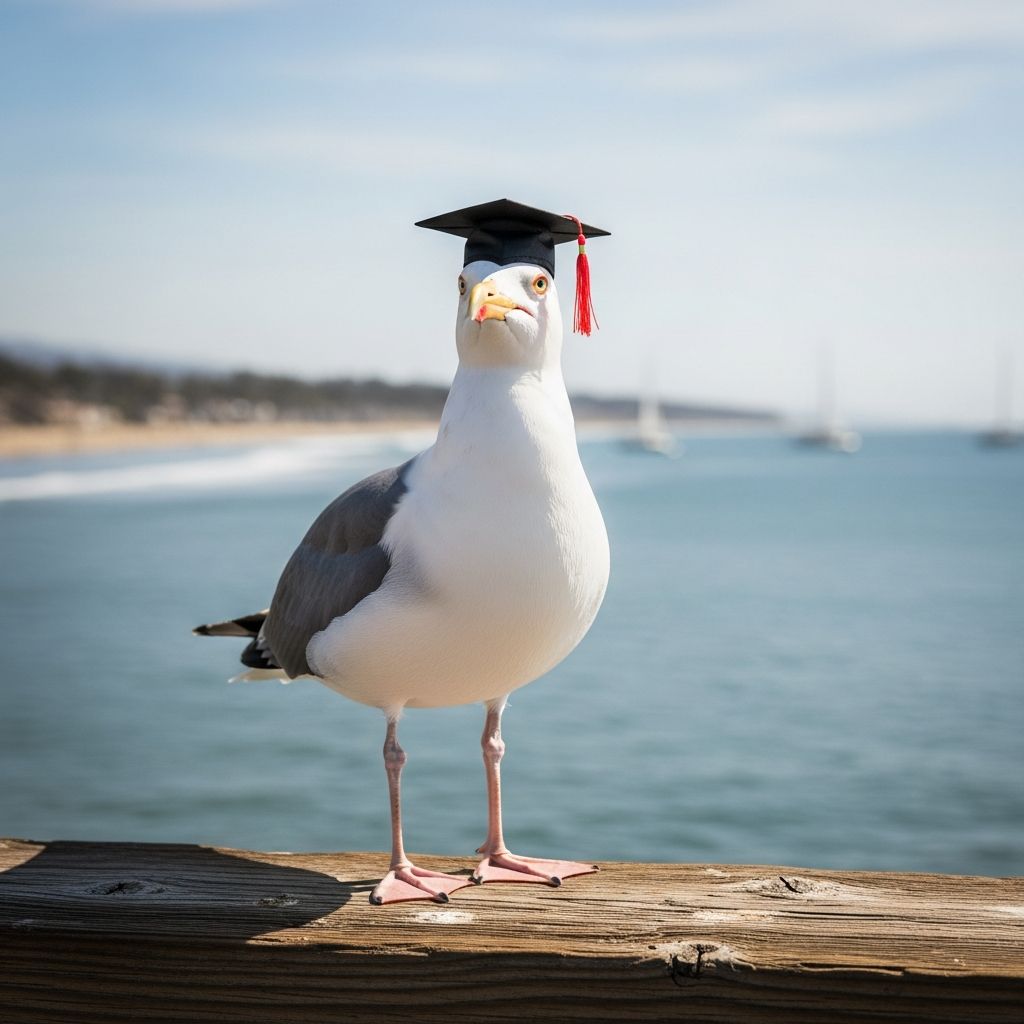
In the heart of Utah’s most dedicated animal sanctuary, an extraordinary transformation took place. A California gull that faced the prospect of never flying again found a new purpose: becoming a powerful educational ambassador. This remarkable journey illustrates the profound impact that rescued wildlife can have on human understanding and compassion toward animals. The story of this California gull offers insights into wildlife rescue, rehabilitation challenges, and the vital role educational programs play in fostering conservation awareness.
Understanding the California Gull
The California gull is a medium-sized gull species found primarily in the western United States. These birds are characterized by their white heads, medium gray backs, yellow legs, and distinctive dark eyes. California gulls measure approximately 18.5 to 21.3 inches in length, with wingspans reaching about 51.2 inches, making them larger than ring-billed gulls but smaller than herring gulls. Unlike some other gull species, California gulls possess slender bills and pointed wings that make them highly agile fliers.
These gulls are known for their remarkable adaptability and intelligence. In Utah, California gulls hold special significance in local history and culture. The species has become an icon of resilience and survival, particularly due to their historical importance in the state’s ecosystem and human communities.
Why California Gulls Matter in Utah
California gulls hold deep cultural and ecological significance in Utah, particularly in the Great Salt Lake region. These birds are considered heroic figures in Utah’s natural history, earning them recognition and protection among conservation communities. Their presence in the state’s waterways reflects the health of wetland ecosystems and serves as an indicator of environmental conditions. The gulls’ ability to thrive in challenging desert environments demonstrates their remarkable adaptability to varying habitats and climate conditions.
The historical relationship between Utah residents and California gulls has created a unique bond. This connection makes the species particularly suited to serve as educational ambassadors, as community members already possess an inherent interest in and respect for these birds.
The Journey to Best Friends Animal Society
Best Friends Animal Society, located in Utah, operates one of the nation’s largest animal sanctuaries dedicated to rescue and rehabilitation. The organization’s commitment to caring for animals extends beyond traditional domesticated pets to include wildlife species like the California gull. When the gull in question arrived at the sanctuary, it carried a significant limitation: an injury or condition that prevented it from flying, a challenge that would have severely impacted its survival in the wild.
Rather than viewing this limitation as a tragedy without remedy, Best Friends Animal Society recognized an unprecedented opportunity. The sanctuary’s staff and leadership understood that this grounded gull could serve a transformative purpose within their educational programming, reaching hundreds or thousands of visitors annually.
The Challenge of Flight Disability
For a gull, the inability to fly represents one of the most severe challenges to survival. Gulls depend on flight for multiple essential functions: locating food sources, escaping predators, accessing roosting sites, and engaging in social interactions with their flock. A grounded gull would face extreme difficulties in the wild, struggling to compete for resources and protect itself from threats.
The decision to keep this gull at the sanctuary, rather than attempting risky surgical interventions or euthanasia, reflected a compassionate approach to animal care. Instead of viewing the bird as a case without hope, caregivers saw an opportunity to provide quality of life while simultaneously serving a greater educational mission.
Transition to Educational Ambassador
The transformation of this injured gull into an educational bird represents a creative solution to a challenging situation. At Best Friends Animal Society, the bird now participates in structured educational programs that bring it into contact with visitors of all ages. Through carefully designed interactions and presentations, the gull communicates powerful messages about wildlife rehabilitation, the importance of rescue efforts, and the resilience of animals.
Educational birds serve multiple roles in sanctuary settings. They become ambassadors for their species, helping visitors develop deeper emotional connections to wildlife. They demonstrate the practical challenges faced by injured or disabled animals, illustrating why conservation and rescue efforts remain critical. Most importantly, they inspire visitors to consider their own roles in environmental stewardship and animal protection.
Educational Programming and Visitor Impact
Best Friends Animal Society has integrated this California gull into its comprehensive educational offerings. Visitors to the sanctuary encounter the bird in contexts that emphasize conservation messages and wildlife biology. Educational presentations highlight:
- The natural history and behavior of California gulls
- The challenges faced by injured wildlife in natural environments
- The role of rescue and rehabilitation facilities in species survival
- Individual stories of animal resilience and adaptation
- Practical steps visitors can take to support wildlife conservation
The presence of this specific gull personalizes abstract conservation concepts. Rather than discussing gulls as statistical populations, visitors meet an individual bird with a unique history and personality. This personal connection often proves more persuasive than environmental statistics alone, motivating visitors to adopt conservation-minded behaviors in their daily lives.
Why Rescued Wildlife Makes Effective Educators
Rescued animals possess inherent advantages as educational ambassadors. Their individual stories resonate emotionally with audiences, creating memorable learning experiences. A grounded California gull represents not just a species, but a specific individual who overcame adversity and found new purpose. This narrative framework appeals to human values of resilience, second chances, and finding meaning in difficult circumstances.
Furthermore, rescued animals serve as living evidence of the importance of rescue and rehabilitation work. Many visitors may hold abstract beliefs about animal welfare, but encountering a specific rescued animal challenges them to confront the concrete reality of animal suffering and the tangible difference that sanctuary work makes. This direct engagement often transforms passive concern into active support and advocacy.
Best Friends Animal Society’s Mission
Best Friends Animal Society operates from a foundational philosophy that every animal deserves compassion, care, and respect. The organization’s sanctuary encompasses thousands of acres and provides permanent homes to animals that cannot be released to the wild. This approach differs from traditional wildlife rehabilitation, which focuses on temporary care with the goal of releasing animals back to their natural habitats.
By providing permanent sanctuary to this California gull, Best Friends demonstrates an alternative model of animal care. Rather than viewing animals solely through the lens of whether they can return to nature, the organization considers quality of life, individual wellbeing, and potential contributions to human understanding. In this case, the gull’s inability to fly transformed into an advantage, enabling it to serve in a capacity that wild gulls cannot.
The Broader Context of Wildlife Education
Across the western United States, wildlife education programs have expanded significantly in recent years. Organizations including the Golden Gate Bird Alliance and numerous other conservation groups offer educational opportunities focusing on species identification, behavior, and ecology. These programs recognize that direct education builds conservation awareness and support.
The California gull, through its presence at Best Friends, contributes to this broader educational landscape. While many organizations focus on classroom-based learning or field identification courses, Best Friends offers something uniquely powerful: the opportunity to encounter an individual animal and learn its specific story.
Challenges and Considerations in Educational Use
Utilizing rescued animals in educational settings involves careful considerations regarding animal welfare. Best Friends Animal Society maintains rigorous standards to ensure that educational programming does not compromise the gull’s quality of life. The bird’s stress levels, behavioral indicators, and physical health remain closely monitored. Programming is designed to engage the gull in ways that feel natural and comfortable rather than forced or artificial.
Additionally, educators must balance the power of individual animal stories with accurate species-level information. While the gull’s personal history proves emotionally compelling, visitors also need to understand broader ecological and biological context. Skilled educators at Best Friends accomplish this balance, using the individual bird’s story as an entry point to deeper learning about California gulls as a species and their role in western ecosystems.
Inspiration for Other Sanctuaries
The success of this California gull as an educational ambassador offers valuable lessons for other animal sanctuaries and rehabilitation centers nationwide. When animals cannot be released to the wild, exploring educational potential represents an ethical alternative that transforms potential loss into meaningful contribution. Other facilities have adopted similar approaches, recognizing that rescued animals need not simply exist at sanctuaries but can actively serve conservation missions.
This model demonstrates creative problem-solving in animal care. Rather than accepting limitations as endpoints, sanctuary professionals increasingly explore how challenges can be reframed as opportunities. An injured gull that cannot fly becomes a powerful educator. A senior animal becomes a guide for learning about aging. An animal with unusual history becomes a unique ambassador for its species.
The Role of Personal Connection in Conservation
Ultimately, the story of this California gull underscores a fundamental principle of conservation work: personal connection drives action. When people encounter individual animals and learn their stories, they develop emotional investments in conservation outcomes. A visitor who learns about this specific gull’s journey may return home with renewed commitment to protecting wetland habitats, supporting wildlife rescue organizations, or simply paying greater attention to the gulls they encounter at local beaches and lakes.
This mechanism of change—from personal encounter to behavioral shift to environmental impact—represents the hidden power of educational animal programs. The gull’s presence at Best Friends Animal Society creates ripples extending far beyond the sanctuary, influencing how hundreds or thousands of people think about wildlife, rescue, and human responsibility toward other species.
Frequently Asked Questions
What exactly prevents this California gull from flying?
While the specific nature of the gull’s injury or condition is not detailed in the basic story, it represents a permanent limitation that would prevent survival in the wild. The exact diagnosis remains less important than the outcome: a bird that requires permanent care has found meaningful purpose through education.
How are California gulls different from other gull species?
California gulls are medium-sized gulls with distinctive yellow legs, dark eyes, and slender bills compared to other gull species. They are larger than ring-billed gulls but smaller than herring gulls, with long, pointed wings that make them particularly agile fliers.
Why are California gulls considered heroic in Utah?
California gulls hold special cultural significance in Utah, particularly relating to Great Salt Lake ecology and local history. This cultural importance makes them especially effective as educational ambassadors to Utah audiences already inclined to care about the species.
Can visitors interact directly with the educational gull?
Best Friends Animal Society structures educational programming to ensure appropriate interactions that prioritize animal welfare. While specific protocols depend on individual sanctuary practices, interactions are carefully managed to benefit both visitors and the bird.
How does this approach differ from traditional wildlife rehabilitation?
Traditional wildlife rehabilitation focuses on temporary care with release goals, while sanctuary approaches like Best Friends provide permanent homes to animals unable to survive in the wild, sometimes incorporating educational roles.
References
- Bay Nature Talk: Gull Identification — Bay Nature Institute. November 23, 2024. https://www.youtube.com/watch?v=WAQKwIq3KJQ
- Education – Golden Gate Bird Alliance — Golden Gate Bird Alliance. Accessed November 2025. https://goldengatebirdalliance.org/education/
- Education Resources – Mount Diablo Bird Alliance — Mount Diablo Bird Alliance. Accessed November 2025. https://mtdiablobirds.org/education/resources/
- California Gull Identification — All About Birds / Cornell Lab of Ornithology. Accessed November 2025. https://www.allaboutbirds.org/guide/California_Gull/id
- California gull becomes educational bird – Best Friends Animal Society — Best Friends Animal Society. Accessed November 2025. https://bestfriends.org/stories/features/california-gull-becomes-educational-bird
Similar Articles



Read full bio of medha deb