
Calf Pneumonia: Practical Guide To Prevention And Treatment
Comprehensive insights into preventing and managing enzootic pneumonia in young calves for healthier herds.
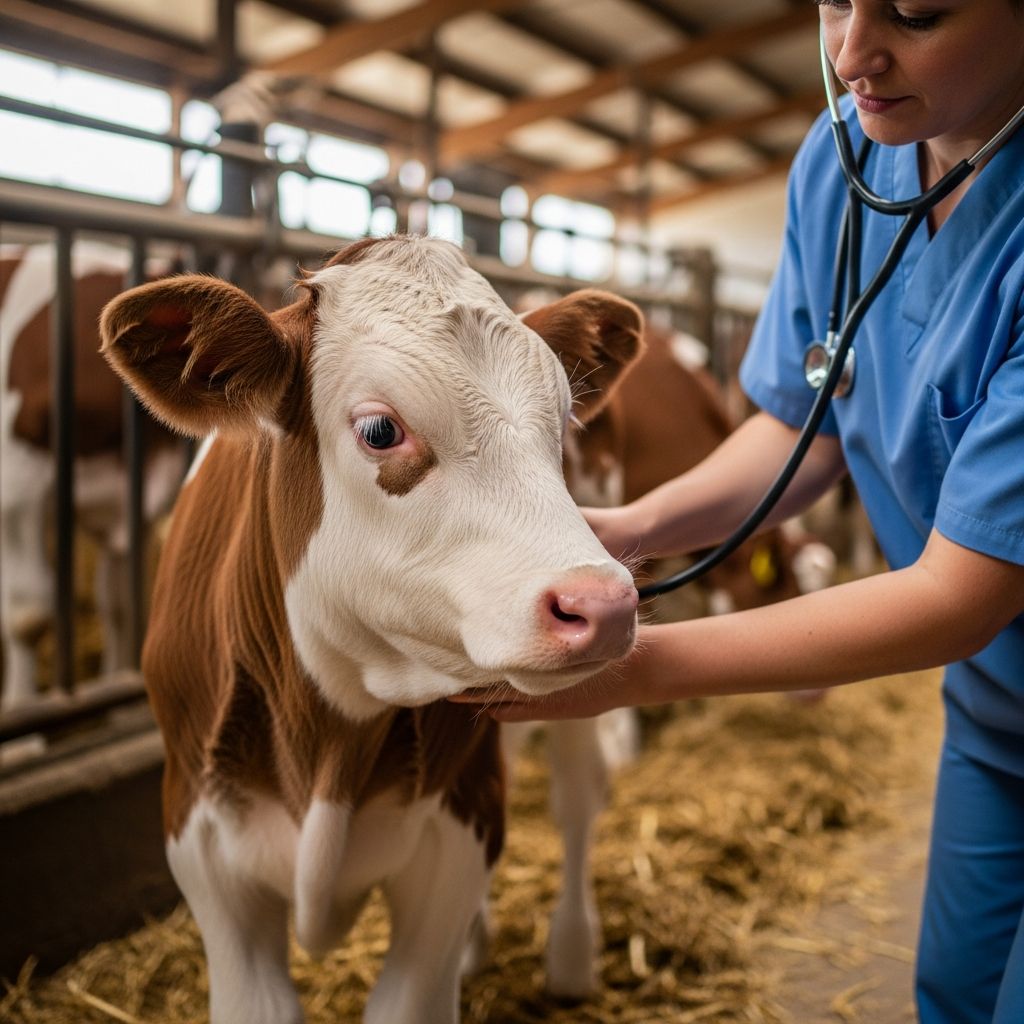
Enzootic pneumonia represents a major challenge in calf rearing, affecting young cattle and leading to significant health and economic impacts in dairy, beef, and veal operations. This condition arises from a complex interplay of infectious agents and environmental stressors, making early recognition and proactive management essential for minimizing losses.
The Nature of Respiratory Challenges in Young Calves
Young calves, particularly those between 1 and 5 months old, are highly susceptible to respiratory infections due to their developing immune systems. As maternal antibodies wane around 2-4 months, calves become vulnerable to pathogens that target the respiratory tract. This vulnerability is exacerbated by housing conditions, nutritional status, and herd management practices.
Unlike acute outbreaks, enzootic pneumonia often manifests subtly, progressing chronically if not addressed. It contributes to reduced growth rates, increased mortality, and long-term lung damage, underscoring the need for vigilant monitoring in calf units.
Primary Causes and Risk Factors
Enzootic pneumonia is multifactorial, involving viruses, bacteria, mycoplasmas, and environmental triggers. Initial viral infections damage the respiratory epithelium, allowing secondary bacterial invasions.
Infectious Agents Involved
- Viral Pathogens: Respiratory syncytial virus (RSV), para-influenza type 3 (PI-3), infectious bovine rhinotracheitis (IBR), bovine viral diarrhea (BVD), and coronavirus weaken defenses.
- Bacterial Pathogens: Mannheimia haemolytica, Pasteurella multocida, Histophilus somni, and Trueperella pyogenes often follow viral damage, causing purulent consolidations.
- Mycoplasmas: Mycoplasma bovis and others contribute to persistent infections and chronic cases.
Environmental and Management Contributors
Poor ventilation, high humidity, overcrowding, and sudden temperature shifts create ideal conditions for pathogen proliferation. Mixing age groups spreads infections rapidly, while inadequate colostrum intake leaves calves immunodeficient.
| Risk Factor | Impact on Calves | Mitigation Strategy |
|---|---|---|
| Inadequate passive immunity | Reduced ability to fight initial infections | Ensure 4-6 liters colostrum within 6 hours of birth |
| Poor housing ventilation | High ammonia levels irritate lungs | Install ridge vents and fans |
| Crowding and mixing ages | Increased pathogen transmission | Maintain 10-15 sq ft per calf; group by age |
| Nutritional stress | Weakened immunity | Provide balanced milk replacer or whole milk |
| Weather extremes | Stress-induced susceptibility | Use windbreaks and bedding |
Recognizing Clinical Signs Early
Symptoms vary by disease stage, with acute cases showing rapid onset and chronic ones developing gradually. Prompt detection hinges on daily health checks.
Acute Phase Indicators
- Fever exceeding 40°C (104°F), often up to 42°C
- Depressed attitude, reduced feed intake
- Increased respiratory rate (>60 breaths/min), abdominal breathing
- Productive cough, serous to purulent nasal discharge
- Extended head carriage, open-mouth breathing in severe cases
Chronic Phase Indicators
- Persistent dry cough, mild nasal discharge
- Subtle growth lag, unthriftiness
- Intermittent fever, exercise intolerance
- Gaunt appearance despite eating
In groups, a hacking cough during movement signals group-level issues. Concurrent diarrhea or eye discharge may accompany pneumonia.
Diagnostic Approaches for Accurate Confirmation
Veterinary involvement is crucial to differentiate from conditions like TB or congenital defects. Diagnosis combines clinical exams, imaging, and lab tests.
Physical and Thoracic Examination
Auscultation reveals harsh lung sounds, crackles, and wheezes in ventral fields. Ultrasound scores lesions: score 0 (normal), 1 (interstitial), 2 (patchy consolidation), 3 (lobar pneumonia).
Laboratory and Post-Mortem Analysis
- Bloodwork for leukocytosis, elevated fibrinogen
- PCR/nasal swabs for viral/bacterial ID
- Serology for rising antibody titers (e.g., BRSV, PI-3)
- Necropsy shows cranioventral consolidations, fibrin tags
Treatment Protocols for Effective Recovery
Treatment targets secondary bacteria with broad-spectrum antibiotics, alongside supportive care. Early intervention improves outcomes.
- Antimicrobials: Florfenicol, tulathromycin, or enrofloxacin (label doses, 3-5 days)
- Supportive: NSAIDs for fever/pain, nebulization, oxygen if dyspneic
- Isolation: Separate sick calves to curb spread
Chronic cases may require longer therapy, but lung scarring limits full recovery. Mortality averages 5-6% without prompt care.
Prevention Strategies: Building Resilient Herds
Prevention outperforms treatment through immunity enhancement, biosecurity, and optimized environments.
Vaccination Programs
Intranasal modified-live vaccines (IBR, PI-3, BRSV) from 2 weeks; intramuscular boosters pre-weaning. Maternal vaccination boosts colostral antibodies.
Husbandry Best Practices
- Colostrum management: Test IgG levels (>10 mg/mL)
- Ventilation: 10-15 air changes/hour, <70% humidity
- All-in-all-out grouping, 3-week age separations
- Nutrition: 20% solids milk, ad lib hay/starters
Long-Term Impacts and Economic Considerations
Survivors often face lifelong growth penalties (10-20% reduced gains) and predisposition to repeat infections. Herd-level losses include treatment costs ($50-200/calf) and cull rates.
Implementing controls can cut incidence by 50-70%, boosting profitability.
Frequently Asked Questions (FAQs)
What is the most common age for enzootic pneumonia?
Primarily 1-5 months, peaking as maternal immunity fades.
Can pneumonia spread in pasture-raised calves?
Yes, via dust, crowding during handling, or BVD exposure.
How do I improve colostrum uptake?
Feed 10% bodyweight within 2 hours; use esophageal tube if needed.
Are antibiotics always necessary?
For bacterial components, yes; consult vet for culture-guided choice.
What ventilation standards should I aim for?
15-20 cubic feet/minute per calf, no drafts >2 mph at calf level.
Monitoring Tools for Herd Health
Use daily scoring: respiration rate, attitude, cough presence. Tech like pedometers tracks activity drops signaling illness.
References
- Pneumonia in calves — AHDB. 2023. https://ahdb.org.uk/knowledge-library/pneumonia-in-calves
- Calf Pneumonia — Infonet Biovision. 2024. https://infonet-biovision.org/animal-health-and-disease/abortion-and-stillbirth-new/calf-pneumonia
- Signs of respiratory disease subtle among young calves — The Western Producer. 2023. https://www.producer.com/livestock/signs-of-respiratory-disease-subtle-among-young-calves/
- Enzootic Pneumonia in Calves — The Bovine Practitioner (Texas A&M). 1979 (authoritative historical study on serology). https://bovine-ojs-tamu.tdl.org/bovine/article/view/2482/2474
- Enzootic Pneumonia of Calves — Merck Veterinary Manual. 2024. https://www.merckvetmanual.com/respiratory-system/infectious-respiratory-system-diseases-in-cattle/enzootic-pneumonia-of-calves
Similar Articles








Read full bio of medha deb


