
Calcium-Rich Foods for Pet Birds: Complete Nutritional Guide
Discover essential calcium-rich foods to keep your pet bird healthy and strong.
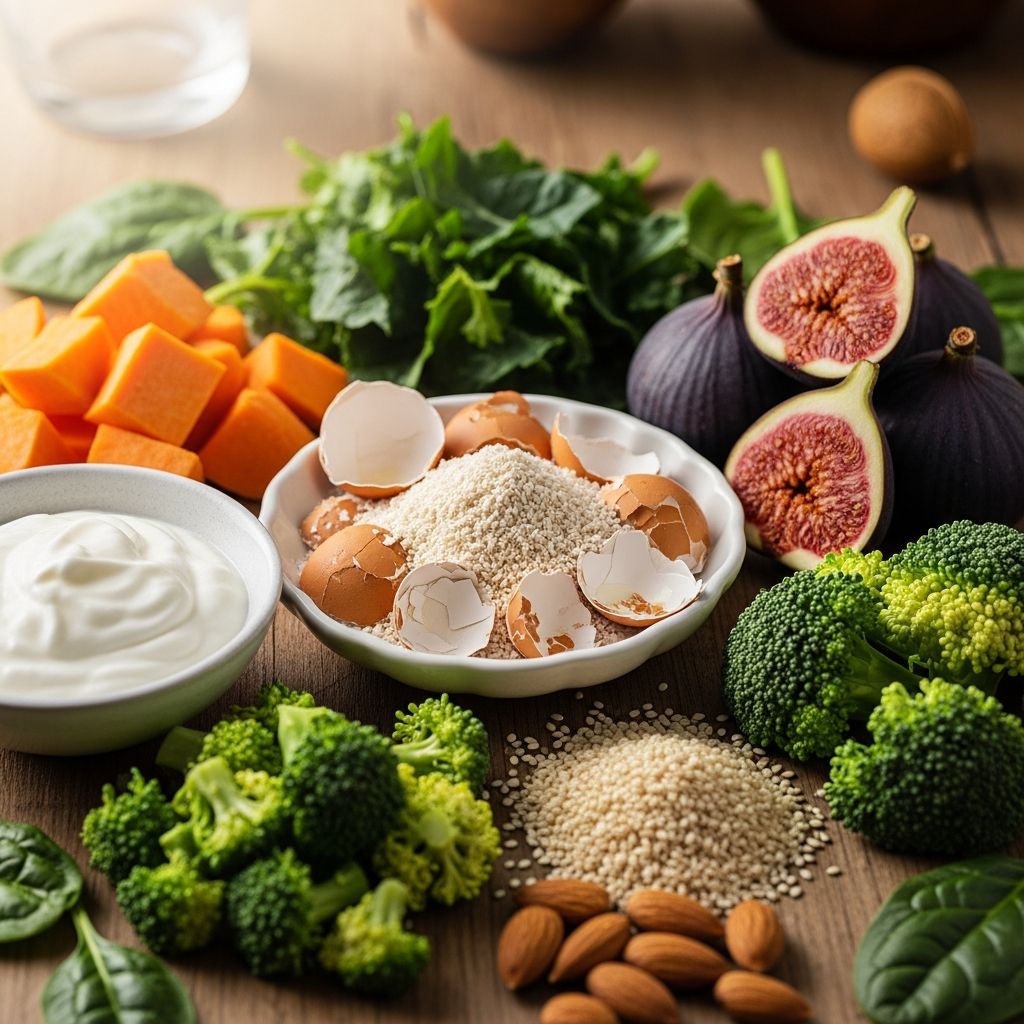
Calcium-Rich Foods for Pet Birds: A Complete Nutritional Guide
Calcium is one of the most critical nutrients for maintaining the health and vitality of pet birds. This essential mineral plays a vital role in bone development, eggshell formation, muscle function, and overall metabolic processes. Understanding which foods provide adequate calcium and how to incorporate them into your bird’s diet is fundamental to preventing nutritional deficiencies and promoting long-term wellness. Whether you own a budgie, cockatiel, parrot, or canary, providing appropriate calcium sources is essential for your feathered companion’s health.
Understanding Calcium Requirements in Birds
Different life stages and circumstances require varying levels of calcium intake for pet birds. Young, growing birds require approximately 0.90-1.00% calcium in their diet when balanced with 0.6% phosphorus to support skeletal development and proper bone mineralization. Adult birds in maintenance phase typically need less than 0.1 to 0.2% calcium, while birds actively producing eggs require significantly more—up to 0.35% for cockatiels and 0.85% for budgerigars. African grey parrots, conures, and other species with higher calcium demands should have constant access to supplemental calcium sources.
The calcium-to-phosphorus ratio is equally important as the absolute amount of calcium. For most bird species, a 2:1 calcium-to-phosphorus ratio is ideal, although ratios ranging from 1.4:1 to 4:1 may be tolerated when vitamin D levels are adequate. Many common bird diets, particularly all-seed diets, contain excessive phosphorus relative to calcium, creating an imbalance that interferes with proper calcium absorption and utilization.
Leafy Green Vegetables: Nature’s Calcium Powerhouses
Dark leafy green vegetables represent some of the most nutrient-dense calcium sources available for pet birds. These vegetables provide not only calcium but also essential vitamins, minerals, and dietary fiber that support overall health.
Optimal Leafy Greens for Birds
Kale stands out as an exceptional calcium source, offering substantial amounts of this vital mineral along with vitamins A, C, and K. Cabbage, mustard greens, and collard greens are similarly excellent choices that birds typically enjoy. Dandelion greens provide both calcium and compounds that support bone health and liver function. Bokchoy and parsley round out the selection of leafy greens suitable for regular inclusion in your bird’s diet.
Broccoli deserves special mention as it combines calcium with powerful antioxidants and anti-inflammatory compounds that benefit birds of all ages. These vegetables can be offered fresh, steamed, or chopped into manageable portions depending on your bird’s size and preferences.
Leafy Greens to Limit: High Oxalic Acid Content
While nutritious, certain leafy greens require careful consideration due to their high oxalic acid content. Spinach, beet greens, and chard are calcium rich but contain oxalic acid levels that significantly interfere with calcium absorption in the bird’s digestive system. For this reason, these vegetables should be offered only occasionally rather than as dietary staples, and other calcium sources should form the foundation of your bird’s nutritional plan.
Root Vegetables and Other Plant-Based Options
Beyond leafy greens, several other plant foods provide meaningful amounts of calcium. Carrots and sweet potatoes offer not only calcium but also beta-carotene and other beneficial compounds. These vegetables are generally well-tolerated by most bird species and can be offered raw, cooked, or steamed.
Legumes: Cooked Beans as Calcium Sources
Legumes represent an often-overlooked source of dietary calcium for pet birds. Kidney beans, chickpeas, pinto beans, black beans, and soybeans all contain respectable amounts of calcium and additional nutrients including protein and fiber. However, critical preparation is essential: these beans must always be thoroughly cooked before offering them to birds. Raw beans contain toxic compounds that can cause gastrointestinal upset, and research indicates they may also decrease the bird’s ability to utilize certain nutritional substances, potentially leading to nutritional deficiencies. Always cook beans completely and allow them to cool before serving to your feathered friend.
Nuts and Seeds: Nutrient-Dense but Calorie-Heavy
Nuts and seeds provide excellent calcium content along with healthy fats and other beneficial compounds. Sesame seeds, almonds, walnuts, pumpkin seeds, and flaxseeds all contribute meaningful amounts of calcium to your bird’s diet. These foods also offer omega-3 and omega-6 fatty acids that support feather health, cognitive function, and cardiovascular wellness.
However, moderation is crucial when incorporating nuts and seeds into your bird’s diet. Because these foods are high in fat and calories, they should never form the bulk of your bird’s nutrition. Including them as occasional treats or dietary supplements rather than dietary staples helps maintain proper body weight and overall health. Tree nuts mentioned in calcium-rich food lists provide excellent nutritional variety when offered appropriately.
Egg Products: Complete Nutrition in a Shell
Cooked eggs with the shell provide exceptional calcium content along with high-quality protein and numerous other essential nutrients. The eggshell itself contains concentrated calcium that becomes available when properly prepared. Always wash eggshells thoroughly before use and cook the eggs completely before offering them to your bird. This preparation method provides natural calcium that closely mirrors what birds would obtain in the wild.
Calcium Supplements and Special Products
Beyond whole foods, several specialized calcium sources help ensure your bird receives adequate amounts of this essential mineral.
Cuttlebones and Calcium Blocks
Cuttlebones represent an excellent way to supplement calcium and other trace minerals in a bird’s diet. Calcium is vital for maintaining strong bones, beaks, nails, and feathers, and cuttlebones make this nutrient continuously available. Using a cuttlebone holder, such as the JW Pet InSight Cuttlebone Holder Bird Toy, helps keep the cuttlebone in place and prevents debris from accumulating outside the cage. Similarly, calcium blocks provide a long-lasting source of this essential mineral.
Oyster Shell Grit
Oyster shells provide concentrated calcium in a form that many birds readily accept. This grit should be available at all times for species such as African greys, conures, and other birds with elevated calcium requirements, as well as for birds actively laying eggs.
Alternative Calcium Sources
Some innovative bird owners have discovered that certain birds will accept fruity-flavored calcium supplements, such as Tums, offered several times weekly. While unconventional, this approach provides another option for birds resistant to other calcium sources.
Balancing Calcium Within a Complete Diet
Unless your bird is actively breeding and nesting, or your veterinarian has specifically recommended additional calcium supplementation, the best approach focuses on providing a balanced, varied diet rather than targeting excessive calcium intake. Too much of even the healthiest foods can prove harmful to your bird’s long-term health.
The availability of calcium in various foodstuffs can vary dramatically. Invertebrates and grains are generally poor sources of calcium, while certain vegetables, particularly dark leafy greens, provide excellent bioavailable calcium. Unfortunately, the digestibility of calcium in plant sources is often limited by the degree to which it binds to oxalate or phytate compounds, highlighting the importance of understanding not just calcium content but also calcium bioavailability.
Common Calcium Deficiency Issues in Pet Birds
Calcium deficiency may develop from insufficient dietary calcium, excessive dietary phosphorus, inadequate vitamin D, or chronic egg-laying in females. All-seed diets are particularly problematic, as they typically contain excess phosphorus relative to calcium while lacking adequate vitamin D for proper mineral metabolism. In wild birds, many species supplement their food intake with mollusk shells, eggshells, calcium-rich grit, and bone fragments to maintain adequate dietary calcium levels.
Young African grey parrots are particularly susceptible to hypocalcemic syndrome, a condition frequently diagnosed in birds kept on all-seed diets. Signs of hypocalcemia in these patients, including weakness, ataxia, falling from perches, and seizure activity, respond to calcium administration and dietary modification. Gradual conversion to a balanced diet combined with exposure to ultraviolet B radiation (285 to 315 nm) supports normal calcium levels in affected birds.
Species-Specific Calcium Considerations
Different bird species have evolved with varying dietary requirements. Large parrots like African greys and macaws require significantly more calcium than smaller species and benefit from species-specific pelleted diets formulated to meet their elevated mineral needs. Conures and other medium-to-large species similarly benefit from elevated calcium availability through supplements and calcium-rich food choices.
Canaries, finches, doves, and pigeons have traditionally been offered grit including oyster shells, though grit is usually not required for other bird species. Understanding your specific bird species’ nutritional requirements allows for more targeted, effective dietary planning.
Creating a Calcium-Rich Diet Strategy
The most effective approach to ensuring adequate calcium intake involves combining multiple strategies. Begin with a high-quality pelleted diet formulated for your bird’s species, as balanced pellets provide a nutritional foundation. Supplement with a variety of fresh foods including dark leafy greens offered several times weekly, occasional servings of cooked legumes, and periodic offerings of nuts and seeds. For birds with higher calcium requirements or those actively laying eggs, maintain constant access to cuttlebones, calcium blocks, or oyster shell grit.
Monitor your bird’s health and appearance, watching for signs of calcium deficiency such as soft-billed appearance, lameness, or behavioral changes. Consult with an avian veterinarian if you suspect nutritional imbalances, as professional guidance ensures your bird receives optimal nutrition throughout its life.
Practical Implementation Tips
Introduce calcium-rich foods gradually to avoid digestive upset, especially when converting from an all-seed diet. Offer vegetables fresh and pesticide-free, washing them thoroughly before presentation. Chop foods into appropriate sizes for your bird’s mouth and beak strength. Store fresh foods properly to maintain nutritional content and prevent spoilage. Rotate food choices to prevent nutritional monotony and ensure exposure to diverse nutrient profiles.
Conclusion
Providing adequate calcium through a varied diet of whole foods, supplemented with specialized calcium sources when appropriate, ensures your pet bird maintains strong bones, healthy feathers, and optimal overall health. By understanding the calcium content of various foods, recognizing species-specific requirements, and implementing a balanced feeding strategy, you can give your feathered companion the nutritional foundation necessary for a long, vibrant life.
References
- Calcium rich foods — Lafeber’s Pet Birds. December 30, 2024. https://lafeber.com/pet-birds/questions/calcium-rich-foods-3/
- Calcium rich foods – Could you list some foods with calcium? — Lafeber’s Pet Birds. https://lafeber.com/pet-birds/questions/calcium-rich-foods/
- Calcium in the Avian Patient — LafeberVet. https://lafeber.com/vet/calcium-in-the-avian-patient/
- Cuttlebones — PetMD Canary Care Sheet. https://www.petmd.com/bird/canary-care-sheet
- Avian Nutrition — Buffalo Bird Nerd. https://www.buffalobirdnerd.com/storage/app/media/PSPAvian_Nutrition1.pdf
Similar Articles








Read full bio of medha deb


