

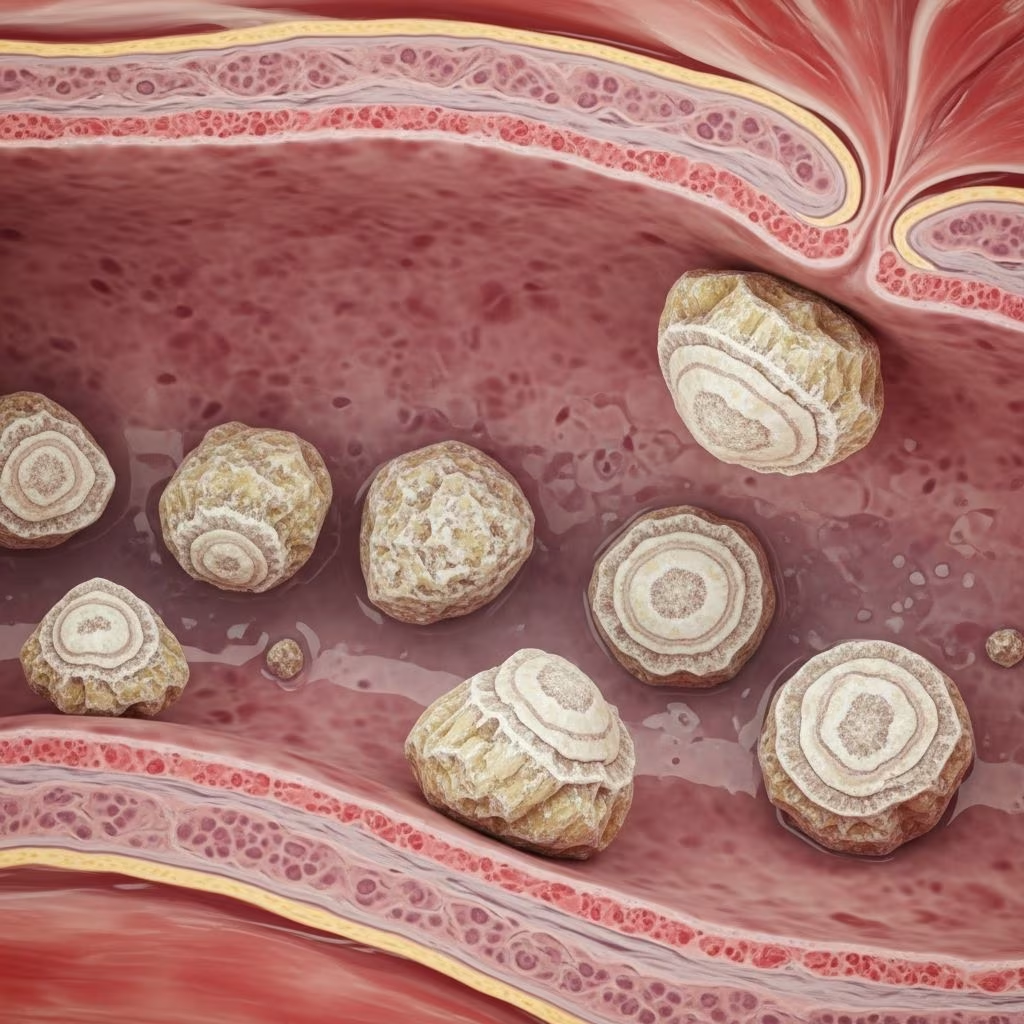
Understanding Calcium Oxalate Bladder Stones in Dogs
Calcium oxalate bladder stones, also known as uroliths, are a common urinary condition affecting dogs of all ages and breeds. Unlike some other types of bladder stones, calcium oxalate stones cannot be dissolved through dietary changes alone and often require intervention to prevent serious complications. Understanding this condition is essential for dog owners to recognize symptoms early and work with veterinarians to develop an effective management plan.
Calcium oxalate stones form when minerals crystallize in the bladder, creating hard deposits that can range in size from microscopic particles to large stones. These stones are particularly problematic because they recur frequently, meaning dogs often develop new stones even after successful removal. This chronic nature of the condition requires ongoing monitoring and preventive care throughout the dog’s life.
What Are Calcium Oxalate Stones?
Calcium oxalate stones are mineral deposits composed of calcium and oxalate compounds that accumulate in the bladder. These stones develop through a complex process involving urine composition, pH levels, and mineral concentration. The crystallization process begins when urine becomes supersaturated with calcium and oxalate, creating an environment where these minerals precipitate and bond together.
The formation of these stones is influenced by several factors, including dietary intake of calcium and oxalate, urinary pH, water intake, and genetic predisposition. Unlike struvite stones, which are associated with urinary tract infections and can be medically managed, calcium oxalate stones represent a fundamentally different challenge in veterinary medicine.
Risk Factors and Predisposition
Certain dog breeds show a higher predisposition to developing calcium oxalate bladder stones. Miniature Schnauzers, Shih Tzus, Bichon Frises, and Yorkshire Terriers are among the breeds most commonly affected. Male dogs develop stones more frequently than females, though this may be related to anatomical differences in the urinary tract rather than true biological predisposition.
Age plays a significant role, with dogs typically developing calcium oxalate stones between 5 and 12 years of age. However, younger dogs can develop these stones, particularly if they have underlying metabolic conditions or genetic factors. Additional risk factors include:
- Obesity and sedentary lifestyle
- History of urinary tract infections
- Certain medications that affect urinary composition
- Dehydration and low water intake
- High dietary levels of calcium and oxalate
- Acidic urine pH
- Metabolic disorders affecting mineral metabolism
Symptoms and Clinical Signs
Dogs with calcium oxalate bladder stones may display various symptoms, though some affected dogs remain asymptomatic and only have stones discovered during imaging for other conditions. When symptoms do occur, they typically relate to irritation of the bladder lining or obstruction of urine flow.
Common clinical signs include:
- Dysuria (painful urination) and straining to urinate
- Pollakiuria (frequent urination)
- Hematuria (blood in urine)
- Inability to urinate or interrupted urine stream
- Incontinence or inappropriate urination
- Abdominal pain and distension
- Depression, lethargy, and loss of appetite
- Persistent or recurrent urinary tract infections
- Vomiting in severe cases
The severity of symptoms depends on stone size, number, location, and whether obstruction occurs. Urinary obstruction represents a medical emergency, particularly in male dogs where the urethra is narrower. Complete obstruction prevents urination and leads to rapid accumulation of uremic toxins, potentially causing shock, kidney failure, and death if not treated immediately.
Diagnosis of Calcium Oxalate Stones
Veterinarians use multiple diagnostic tools to identify and assess calcium oxalate bladder stones. The diagnostic process typically begins with a thorough history and physical examination, followed by additional testing to confirm the diagnosis and rule out complications.
Urinalysis
Urinalysis is fundamental in evaluating dogs with suspected bladder stones. Analysis of urine samples often reveals hematuria (red blood cells in urine), crystalluria (mineral crystals in urine), and sometimes pyuria (white blood cells indicating infection). The urine pH is typically acidic in dogs with calcium oxalate stones, as these minerals precipitate more readily in acidic urine.
Imaging Studies
Abdominal radiographs are the primary imaging tool for detecting calcium oxalate stones. Because calcium oxalate is radiopaque (visible on X-rays), stones typically appear as dense white or gray mineral deposits within the bladder. Radiographs also allow veterinarians to assess stone size, number, and location, which are crucial for determining the appropriate treatment approach.
Ultrasound imaging can provide additional information about stone characteristics and may detect stones that are not visible on radiographs. Ultrasound is particularly useful for evaluating the bladder wall, detecting complications such as bladder wall rupture, and assessing kidney function.
Urine Culture
Because bladder stones can predispose dogs to urinary tract infections, urine culture is often recommended to identify any bacterial infection present. Treating secondary infections is important for managing clinical signs and preventing complications.
Treatment Options
Treatment of calcium oxalate bladder stones depends on several factors, including stone size, number, location, clinical symptoms, and the dog’s overall health. A critical distinction in managing these stones is that calcium oxalate stones cannot be medically dissolved, unlike struvite stones or some other mineral uroliths.
Surgical Removal
Surgical removal is the definitive treatment for calcium oxalate bladder stones. The standard surgical approach is cystotomy, in which the veterinarian makes an incision into the bladder to remove the stones. This procedure is performed under general anesthesia and typically requires 1-2 hours of operative time, depending on stone number and size.
During the surgical procedure, the veterinarian carefully removes all stones identified on preoperative imaging. The bladder is then flushed with sterile saline to remove residual stone fragments and debris. After removing all stones, the bladder is closed with absorbable sutures, and the surgical incision is closed in layers.
Post-operative care includes pain management, antibiotics to prevent infection, and activity restriction for 10-14 days to allow proper healing. Most dogs recover well from cystotomy surgery, though complications such as infection or delayed healing can occasionally occur.
Laser Lithotripsy
Laser lithotripsy is an alternative, less invasive approach to stone removal that uses laser energy to fragment stones into smaller pieces. This technique is particularly useful for dogs with large stones or those where traditional cystotomy is not feasible.
During laser lithotripsy, the veterinarian uses an endoscope to visualize the stones while delivering laser pulses that break them into fragments small enough to be flushed from the bladder. While this technique reduces surgical trauma and recovery time compared to cystotomy, it may require multiple treatments for large stones and is not available at all veterinary facilities.
Voiding Urohydropropulsion
For dogs with very small stones (typically less than 2-3 mm in diameter), voiding urohydropropulsion may be attempted. This non-surgical technique involves placing a urinary catheter in the bladder and using pressure to flush small stones out through the urethra during urination.
This approach is only suitable for stones small enough to pass through the urethra without causing obstruction. In dogs weighing more than 5 kg, stones generally must be less than 2 mm in males or 3 mm in females for successful passage.
Medical Management of Asymptomatic Stones
Not all dogs with calcium oxalate stones require immediate surgical intervention. Guidelines have been developed for managing asymptomatic stones discovered during imaging for other conditions.
Treatment recommendations depend on stone characteristics:
| Stone Characteristic | Recommended Management | Rationale |
|---|---|---|
| Small stones capable of passing through urethra | Remove via voiding urohydropropulsion | Prevents progression and more invasive procedures |
| Irregular stones too large to pass but irregular shape prevents obstruction | Wait and monitor; remove if symptoms develop | Reduces unnecessary surgeries given high recurrence rate |
| Smooth stones capable of complete obstruction | Consider removal or close monitoring with emergency plan | Prevents life-threatening emergency obstruction |
| Stones too large to enter urethra | Wait and monitor; remove if symptoms develop | Cannot cause obstruction; prevents unnecessary surgery |
Medical Therapy and Prevention
Following stone removal, preventing recurrence is the primary focus of long-term management. While no medical therapy can dissolve existing calcium oxalate stones, several medications and dietary approaches help prevent new stone formation.
Dietary Management
Diet plays a crucial role in preventing calcium oxalate stone recurrence. Prescription urinary therapeutic diets are specifically formulated to minimize stone-forming minerals and create an unfavorable environment for crystal formation. These diets typically contain:
- Reduced levels of calcium and oxalate
- Increased moisture content to dilute urine
- Controlled protein levels
- Ingredients that promote appropriate urine pH
Feeding canned rather than dry food increases water intake, diluting the urine and reducing mineral concentration. Many veterinarians recommend switching dogs to prescription urinary diets after stone removal and maintaining this dietary approach indefinitely to reduce recurrence risk.
Potassium Citrate
Potassium citrate is an oral medication that increases urinary citrate levels. Citrate acts as a chelating agent that binds to calcium, reducing the amount of free calcium available for stone formation. This medication is typically dosed at 75 mg/kg orally twice daily, with dosing adjusted based on achieved urine pH.
Potassium citrate also helps alkalinize the urine, creating a pH that is less conducive to calcium oxalate crystallization. Because these medications may affect potassium and other electrolyte levels, blood work should be performed within the first two weeks of starting therapy and periodically thereafter.
Hydrochlorothiazide
For dogs with recurrent stone formation despite dietary therapy and potassium citrate supplementation, hydrochlorothiazide may be considered. This diuretic medication reduces urinary calcium excretion, decreasing the mineral concentration available for stone formation. The typical dose is 2 mg/kg orally twice daily.
Water Intake and Hydration
Maintaining adequate hydration is fundamental to preventing stone recurrence. Increased water intake dilutes urine, reducing mineral supersaturation. Strategies to increase water consumption include:
- Providing fresh water frequently throughout the day
- Feeding canned or wet food exclusively
- Adding water to dry food to increase moisture
- Using water fountains to encourage drinking
- Providing multiple water bowls in different locations
Monitoring and Follow-up Care
Long-term monitoring is essential after stone removal to detect recurrence while stones are still small and manageable. The standard monitoring protocol includes:
- Urinalysis every 3-6 months to assess urine composition and detect crystalluria
- Abdominal radiographs every 6-12 months to detect new stone formation
- Physical examination and assessment for clinical signs at each veterinary visit
- Blood work to monitor kidney function and electrolyte levels if on medications
If urinalysis shows inadequate urine dilution or persistent crystalluria, water intake should be increased. If urinary pH remains below 6.5 or oxalate crystals continue to be present despite therapeutic measures, additional medication adjustments may be necessary.
Radiographic monitoring allows detection of new stones while they remain small enough for minimally invasive removal through voiding urohydropropulsion, avoiding the need for repeated surgical procedures.
Prognosis and Long-term Outlook
The prognosis for dogs with calcium oxalate bladder stones is generally good to excellent when properly managed. However, this condition requires lifelong commitment to preventive care and monitoring.
With appropriate dietary management, medication when necessary, adequate hydration, and regular monitoring, many dogs do not experience recurrent symptomatic stone formation. However, some dogs continue to form stones despite optimal management, necessitating periodic surgical intervention.
The key to a successful outcome is early detection through regular monitoring. By identifying new stones while they remain small, veterinarians can employ less invasive removal techniques and prevent large stone formation that would require more extensive surgery.
Frequently Asked Questions
Q: Can calcium oxalate bladder stones be dissolved with medication or diet alone?
A: No, calcium oxalate stones cannot be medically dissolved like some other types of bladder stones. These stones must be surgically removed or managed through other removal techniques such as laser lithotripsy. However, diet and medications help prevent new stone formation after removal.
Q: What is the difference between calcium oxalate and struvite bladder stones?
A: Struvite stones can often be dissolved through antibiotics and therapeutic diet, while calcium oxalate stones cannot be dissolved and require surgical removal. Struvite stones are typically associated with urinary tract infections, whereas calcium oxalate stones form through a different mineral crystallization process.
Q: How often should my dog be monitored after stone removal?
A: Most veterinarians recommend urinalysis every 3-6 months and abdominal radiographs every 6-12 months to monitor for new stone formation. The exact frequency may vary based on your dog’s individual risk factors and previous stone history.
Q: Is urinary obstruction a medical emergency?
A: Yes, urinary obstruction is a life-threatening emergency. If your dog cannot urinate or has a significantly reduced urine stream, seek immediate veterinary care. Without treatment, complete obstruction leads to kidney failure and shock within 24-72 hours.
Q: Can I prevent my dog from ever getting calcium oxalate stones?
A: While proper diet, adequate hydration, and appropriate medications significantly reduce the risk of stone formation and recurrence, some dogs with genetic predisposition may develop stones despite optimal preventive care. Regular monitoring allows early detection of any new stones.
Q: What dietary changes help prevent calcium oxalate stones?
A: Prescription urinary therapeutic diets with reduced calcium and oxalate, increased moisture, and appropriate minerals help prevent stone formation. Feeding canned food and ensuring adequate water intake are equally important components of dietary management.
References
- Managing Dogs with Asymptomatic Calcium Oxalate (CaOx) Bladder or Urethral Stones — University of Minnesota College of Veterinary Medicine, Urolith Center. 2024. https://vetmed.umn.edu/urolith-center/image-of-month/managing-dogs-asymptomatic-calcium-oxalate-caox-bladder-or-urethral
- Canine Calcium Oxalate Urolithiasis — Mississippi State University College of Veterinary Medicine. 2016. https://www.vetmed.msstate.edu/sites/www.vetmed.msstate.edu/files/presentations/9.23.16%20Canine%20Calcium%20Oxalate%20Urolithiasis%20(Christine%20Pugh).pdf
- Calcium Oxalate Stones (Canine) — Mar Vista Animal Medical Center. Updated 2025-09-28. https://www.marvistavet.com/calcium-oxalate-stones-canine.pml
- Struvite Bladder Stones in Dogs — Cornell University College of Veterinary Medicine, Riney Canine Health Center. 2024. https://www.vet.cornell.edu/departments-centers-and-institutes/riney-canine-health-center/canine-health-topics/struvite-bladder-stones-dogs
- Urolithiasis in Dogs — Urinary System — Merck Veterinary Manual. 2024. https://www.merckvetmanual.com/urinary-system/urolithiasis-in-small-animals/urolithiasis-in-dogs
- Frequently Asked Questions About Bladder Stones in Dogs — South Seattle Veterinary Hospital. 2024. https://www.southseattlevet.com/frequently-asked-questions-about-bladder-stones-in-dogs



