

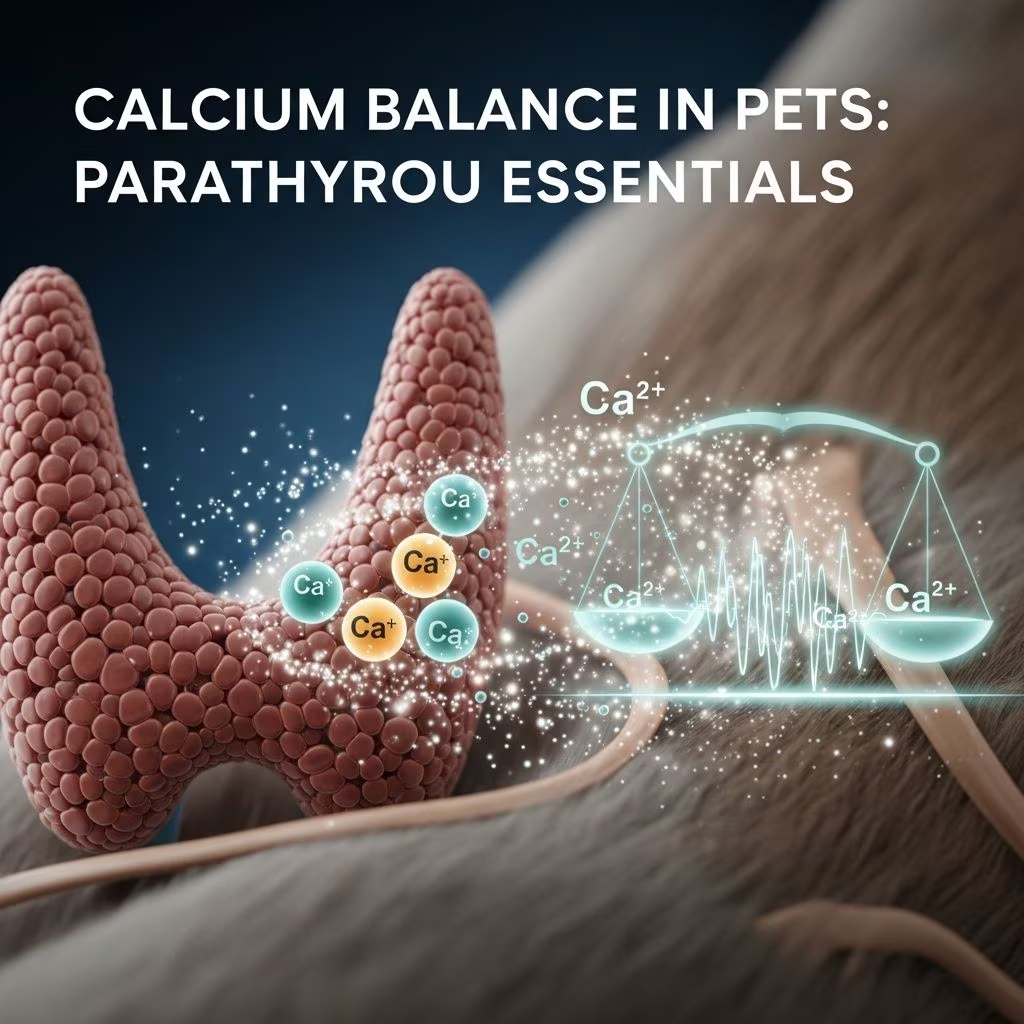
Parathyroid glands play a pivotal role in maintaining calcium levels in dogs and cats, ensuring proper muscle function, nerve signaling, and bone health. Disruptions in this system can lead to severe conditions affecting overall well-being.
The Anatomy and Location of Parathyroid Glands
In companion animals like dogs and cats, small parathyroid glands are embedded near the thyroid in the neck region. Typically, there are four glands—two external and two internal—attached to the thyroid lobes. These glands consist mainly of chief cells that produce parathyroid hormone (PTH), the key regulator of blood calcium.
Unlike larger animals that synthesize vitamin D in the skin, dogs and cats rely heavily on dietary sources for this essential nutrient, making parathyroid function even more critical for activating it.
Core Mechanisms of Calcium Homeostasis
Calcium homeostasis involves a delicate balance influenced by PTH, active vitamin D (calcitriol), and calcitonin. Ionized calcium, the biologically active form, must stay within narrow limits for normal cellular operations.
- PTH Actions: Stimulates bone breakdown to release calcium, enhances kidney reabsorption of calcium while excreting phosphate, and promotes vitamin D activation for gut absorption.
- Vitamin D Role: Boosts intestinal calcium uptake; its production is triggered by low phosphate or high PTH levels.
- Calcitonin Counterbalance: Secreted by thyroid C-cells during high calcium states, it inhibits bone resorption and promotes calcium excretion.
This interplay keeps serum calcium steady despite dietary fluctuations or metabolic demands.
Primary Hyperparathyroidism: Excess PTH Production
Primary hyperparathyroidism occurs when one or more parathyroid glands develop benign tumors (adenomas), leading to unchecked PTH secretion. This causes elevated blood calcium (hypercalcemia) and low phosphate levels.
In dogs, this condition is more common in older breeds like Keeshonds and Goldens. Cats see it less frequently but can develop similar glandular enlargements.
| Species | Prevalence | Common Signs |
|---|---|---|
| Dogs | Higher | Increased thirst/urination, vomiting, weakness |
| Cats | Lower | Appetite loss, lethargy, kidney issues |
Treatment often involves surgical removal of the affected gland, with monitoring of calcium levels post-op.
Hypoparathyroidism: Insufficient PTH Output
Hypoparathyroidism results from gland destruction, often post-surgical thyroidectomy or immune-mediated damage, causing low calcium (hypocalcemia).
Symptoms include muscle tremors, seizures, and behavioral changes. Dogs may pant excessively, while cats show stiff gait or facial rubbing.
- Diagnosis: Low PTH with hypocalcemia and hyperphosphatemia.
- Management: Lifelong calcium and vitamin D supplements, plus PTH analogs in some cases.
Secondary Disorders Tied to Calcium Imbalance
Secondary hyperparathyroidism arises from chronic kidney disease, where poor phosphate clearance stimulates PTH overproduction. This leads to fibrous bone changes and further renal damage.
Nutritional imbalances, like excess phosphate in diets, can also trigger compensatory PTH rises.
Diagnostic Approaches for Parathyroid Issues
Vets use blood tests measuring total and ionized calcium, phosphate, PTH, and vitamin D levels. Imaging like ultrasound detects glandular masses.
- Measure ionized calcium for accuracy, as it’s less affected by protein levels.
- Assay intact PTH; high levels with hypercalcemia confirm primary disease.
- Rule out non-parathyroid causes like cancer, which is the top hypercalcemia culprit in pets.
Treatment Strategies and Long-Term Care
For hyperparathyroidism, surgery is curative if caught early. Medical options include bisphosphonates to lower calcium or calcimimetics to suppress PTH.
Hypocalcemia treatment starts with IV calcium gluconate for acute cases, transitioning to oral therapy. Regular monitoring prevents iatrogenic hypercalcemia.
Diet plays a key role: low-phosphate foods for kidney-related issues, balanced calcium diets otherwise.
Nutritional Influences on Calcium Regulation
Pets cannot efficiently produce vitamin D via sunlight, so commercial diets must provide adequate precursors. Imbalances from homemade or poor-quality foods exacerbate parathyroid strain.
During growth or lactation, demands rise, requiring vigilant supplementation.
Breeds Prone to Parathyroid Challenges
- Dogs: Keeshond, Norwegian Elkhound (hyperparathyroidism).
- Cats: Siamese post-thyroidectomy (hypoparathyroidism).
FAQs on Pet Parathyroid Health
What causes high calcium in my dog?
Commonly cancer or primary hyperparathyroidism; PTH assays differentiate.
Can hypocalcemia be fatal in cats?
Yes, untreated seizures can lead to death; prompt IV therapy saves lives.
How do I prevent parathyroid issues?
Balanced diet, routine bloodwork in seniors, especially kidney-compromised pets.
Is surgery always needed for parathyroid tumors?
Often yes for cure, but monitoring suits mild cases.
What role does vitamin D play?
Activated by PTH, it enhances gut calcium absorption crucial for dogs/cats.
Preventive Monitoring for Optimal Health
Annual wellness exams with calcium panels catch imbalances early. Owners should note polydipsia, lethargy, or tremors as red flags.
Advancements in PTH assays have revolutionized diagnosis, allowing targeted therapies.
References
- Disorders of the Parathyroid Glands and of Calcium Metabolism in Dogs — Merck Veterinary Manual. 2023. https://www.merckvetmanual.com/dog-owners/hormonal-disorders-of-dogs/disorders-of-the-parathyroid-glands-and-of-calcium-metabolism-in-dogs
- Parathyroid diseases in dogs and cats (Proceedings) — dvm360. 2010. https://www.dvm360.com/view/parathyroid-diseases-dogs-and-cats-proceedings
- Parathyroid Diseases and Animal Models — PMC – NIH. 2012-05-29. https://pmc.ncbi.nlm.nih.gov/articles/PMC3384071/
- Disorders of the parathyroid glands — PMC – NIH. 2024. https://pmc.ncbi.nlm.nih.gov/articles/PMC10822605/
- Overview – Minerals — eClinpath. 2023. https://eclinpath.com/chemistry/minerals/overview/
- Overview of the Parathyroid Glands and Disorders of Calcium Regulation in Dogs and Cats — Merck Veterinary Manual. 2023. https://www.merckvetmanual.com/endocrine-system/the-parathyroid-glands-and-disorders-of-calcium-regulation-in-dogs-and-cats/overview-of-the-parathyroid-glands-and-disorders-of-calcium-regulation-in-dogs-and-cats
- Calcium Disorders — MSU College of Veterinary Medicine. 2023. https://cvm.msu.edu/vdl/laboratory-sections/endocrinology/calcium-disorders-1



