

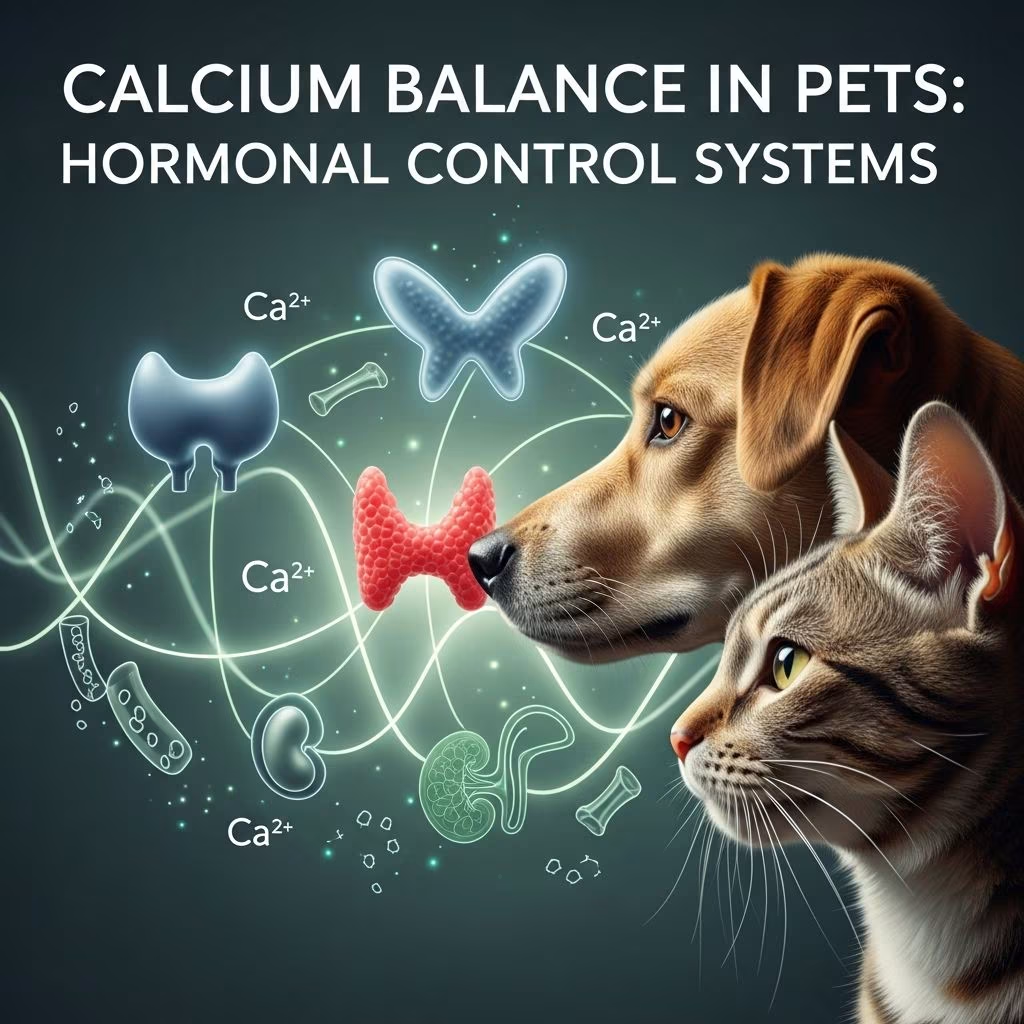
Introduction to Calcium Regulation in Companion Animals
Calcium represents one of the most critical minerals in the bodies of dogs and cats, serving functions far beyond skeletal structure. This essential element participates in muscle contraction, enables blood coagulation, facilitates enzyme reactions, supports nervous system function, and triggers hormone release throughout the body. The maintenance of precise calcium concentrations in the bloodstream determines whether a pet remains healthy or develops serious metabolic complications. Unlike simple minerals that remain relatively static, calcium concentrations fluctuate throughout the day based on dietary intake, excretion rates, and physiological demands. To manage these natural variations, the body employs an elegant hormonal system involving three major regulators: parathyroid hormone, vitamin D metabolites, and calcitonin. Understanding these mechanisms provides insight into how veterinarians diagnose and treat calcium-related disorders affecting companion animals.
The Parathyroid Glands: Anatomical Foundation and Function
The parathyroid glands form a crucial endocrine system component in both dogs and cats. These small glands, numbering four in most mammals, nestle adjacent to the thyroid gland within the neck region. Despite their diminutive size, the parathyroid glands exert enormous influence over whole-body calcium homeostasis through the production and secretion of parathyroid hormone, commonly abbreviated as PTH. The primary cells within these glands, called chief cells, synthesize and store PTH until signals indicate its release is necessary.
The regulation of PTH production operates through an elegant feedback mechanism centered on blood calcium concentration. When serum calcium levels decline, the parathyroid glands detect this change and immediately increase hormone synthesis and release. Conversely, elevated calcium concentrations suppress PTH production, preventing excessive calcium accumulation. This responsive system ensures that calcium concentrations remain within a narrow optimal range despite dietary variations and changing physiological demands. The parathyroid gland responds to even minor hypocalcemic challenges with marked increases in PTH synthesis, demonstrating the sensitivity of this regulatory pathway.
Parathyroid Hormone: The Primary Calcium Regulator
Parathyroid hormone functions as the body’s principal calcium-maintenance hormone, exerting effects on multiple organ systems simultaneously. The hormone operates through three primary mechanisms to increase serum calcium concentrations: modulating bone mineral release, enhancing renal calcium conservation, and promoting intestinal calcium absorption through vitamin D activation.
Bone Resorption and Calcium Mobilization
When blood calcium drops, PTH stimulates osteoclastic activity within bone tissue, triggering the release of calcium and phosphate stored in the mineral matrix. This process, termed bone resorption, rapidly increases circulating calcium and phosphate concentrations. The parathyroid glands essentially tap into the skeletal reservoir of calcium when dietary sources prove insufficient. This mechanism explains why prolonged PTH excess can compromise bone density, as sustained resorption without adequate replacement weakens the skeletal framework.
Renal Calcium Reabsorption
The kidneys represent the second major target organ for PTH action. As blood filters through the renal tubules, calcium would normally be lost in urine. PTH enhances renal reabsorption of calcium in specific tubular segments, including the distal convoluted tubules and collecting ducts, thereby reducing urinary calcium losses. Simultaneously, the hormone promotes phosphate excretion in the proximal tubules, preventing phosphate accumulation that would otherwise interfere with calcium homeostasis. This dual action on the kidney—conserving calcium while eliminating phosphate—reflects the sophisticated nature of hormonal regulation.
Intestinal Calcium Absorption Enhancement
PTH indirectly increases intestinal calcium absorption by stimulating the kidney to convert vitamin D into its most biologically active form. This integrated action demonstrates how multiple hormones work in concert to achieve calcium balance rather than operating in isolation.
Vitamin D: The Multifunctional Metabolite
Vitamin D functions more accurately as a hormone than as a traditional vitamin, wielding profound effects on calcium and phosphate metabolism. The relationship between vitamin D and dietary calcium intake differs markedly between canine and feline species compared to humans and other animals.
Species-Specific Vitamin D Production
In horses and humans, ultraviolet light exposure triggers vitamin D synthesis within skin tissues. Dogs and cats, however, cannot generate sufficient vitamin D through cutaneous synthesis and instead depend entirely on dietary sources. This fundamental difference means that adequate dietary vitamin D assumes critical importance for companion animal health. Pet owners cannot rely on sunlight exposure to meet their animals’ vitamin D requirements, necessitating nutritionally complete commercial diets or supplementation.
Activation and Regulation of Vitamin D Metabolism
The conversion of dietary vitamin D precursors into the active metabolite, 1,25-dihydroxyvitamin D (calcitriol), occurs primarily in the kidney through enzymatic hydroxylation. Multiple factors regulate this activation process. PTH stimulates the renal enzyme responsible for vitamin D activation, particularly when calcium levels are low. Reduced serum phosphate concentrations also promote vitamin D activation. Conversely, high phosphorus levels suppress the activation pathway, providing negative feedback to prevent excessive calcium mobilization. Specific physiological states, including pregnancy and growth periods, trigger additional vitamin D activation independent of PTH, recognizing the heightened calcium demands during these times.
Functions of Active Vitamin D
Once activated, vitamin D operates on multiple tissues. In the intestines, calcitriol increases the efficiency of dietary calcium absorption, enhancing the bioavailability of ingested minerals. The hormone also affects bone metabolism, participating in both bone formation and resorption processes. Vitamin D metabolites directly inhibit parathyroid cell proliferation and mass, providing long-term regulation of PTH production independent of acute calcium changes.
Calcitonin: The Secondary Calcium Modulator
Calcitonin represents the third major hormone influencing calcium homeostasis, though its physiological significance appears less prominent than PTH or vitamin D in companion animals. This hormone is synthesized by parafollicular (C) cells within the thyroid gland. Unlike PTH, which raises serum calcium, calcitonin functions to lower calcium concentrations when they become elevated.
Calcitonin counters the calcium-raising effects of PTH and vitamin D through two mechanisms. First, it inhibits osteoclastic bone resorption, preventing calcium release from skeletal stores. Second, it stimulates renal excretion of both calcium and phosphate, increasing urinary losses of these minerals. The hormone’s primary physiological role appears to involve limiting post-meal calcium surges following dietary intake, providing a gentle brake on calcium absorption during the fed state. Calcitonin also functions as an emergency response system to severe hypercalcemia, though this protective effect proves relatively ineffective compared to the long-term actions of PTH and vitamin D.
Integrated Calcium Homeostasis Mechanisms
The Three-Hormone System in Action
Calcium homeostasis emerges from the coordinated interaction of PTH, vitamin D, and calcitonin rather than from individual hormone actions. When serum calcium declines, multiple mechanisms activate simultaneously: PTH release increases, stimulating bone resorption and renal calcium reabsorption while promoting vitamin D activation; intestinal calcium absorption increases through enhanced vitamin D effects; and calcitonin suppression removes the braking effect on calcium elevation. This multipronged approach ensures rapid restoration of calcium toward normal levels.
Conversely, when calcium becomes elevated, PTH secretion ceases, vitamin D activation decreases, and calcitonin release increases, working together to lower calcium through reduced mobilization and increased excretion. The narrow margins of normal serum calcium (typically 8.5 to 10.5 mg/dL in most pets) underscore the precision of this regulatory system.
Phosphate Regulation as Secondary Effect
Although calcium represents the primary focus of hormonal regulation, phosphate metabolism becomes inextricably linked to calcium control. PTH promotes renal phosphate excretion while inhibiting its reabsorption, preventing phosphate accumulation that would interfere with calcium availability. Vitamin D affects phosphate absorption and metabolism, while calcitonin increases phosphate excretion. The hormonal system essentially maintains calcium as the primary variable while allowing phosphate to adjust secondarily, reflecting the greater biological importance of calcium stability.
Clinical Significance and Common Disorders
Primary Hyperparathyroidism
When parathyroid glands develop masses or dysfunction, they may produce excessive PTH independent of blood calcium feedback. This condition results in hypercalcemia as calcium mobilization from bone, renal reabsorption, and intestinal absorption all increase simultaneously. Affected pets may experience symptoms ranging from subtle lethargy to severe complications including kidney damage and urinary stone formation.
Hypoparathyroidism
Deficient PTH production—whether from parathyroid gland removal, autoimmune destruction, or developmental abnormalities—results in hypocalcemia. Without adequate PTH to mobilize bone calcium, enhance renal reabsorption, and activate vitamin D, serum calcium falls dangerously. Acute hypocalcemia can trigger muscle tremors, seizures, and tetany, representing a medical emergency.
Secondary Hyperparathyroidism
Chronic kidney disease, dietary phosphate excess, or inadequate vitamin D intake can stimulate excessive PTH production as the parathyroid glands attempt to compensate for the underlying metabolic abnormality. This condition frequently develops in aging pets with declining renal function.
Diagnostic and Therapeutic Implications
Veterinary professionals now routinely measure serum PTH concentrations, allowing precise identification of whether calcium abnormalities result from parathyroid dysfunction or secondary causes. Combined with serum calcium, phosphate, and vitamin D metabolite measurements, these tests enable accurate diagnosis of calcium metabolism disorders. Treatment approaches vary based on the underlying cause, ranging from dietary modification and supplementation to surgical intervention for parathyroid masses.
Conclusion: The Elegance of Calcium Regulation
The regulation of serum calcium in dogs and cats represents a masterpiece of physiological coordination. Three distinct hormonal systems—parathyroid hormone, vitamin D metabolism, and calcitonin—work in concert to maintain calcium within the narrow limits essential for life. Each hormone influences multiple organ systems, and each is itself regulated by feedback mechanisms that prevent excessive correction. Understanding these mechanisms illuminates why calcium disorders develop and how veterinarians can diagnose and treat these conditions effectively. Pet owners who recognize the importance of adequate dietary calcium and vitamin D, combined with regular health monitoring, help ensure their companions maintain the precise metabolic balance necessary for optimal health and longevity.
References
- Disorders of the Parathyroid Glands and of Calcium Metabolism in Dogs — Merck Veterinary Manual. 2024. https://www.merckvetmanual.com/dog-owners/hormonal-disorders-of-dogs/disorders-of-the-parathyroid-glands-and-of-calcium-metabolism-in-dogs
- Parathyroid Diseases and Animal Models — National Center for Biotechnology Information (NIH/PMC). 2012. https://pmc.ncbi.nlm.nih.gov/articles/PMC3384071/
- Disorders of the Parathyroid Glands — PMC – National Institutes of Health. 2024. https://pmc.ncbi.nlm.nih.gov/articles/PMC10822605/
- Overview – eClinpath: Calcium Disorders — College of Veterinary Medicine at UC Davis. 2024. https://eclinpath.com/chemistry/minerals/overview/
- Parathyroid Diseases in Dogs and Cats (Proceedings) — DVM360. 2024. https://www.dvm360.com/view/parathyroid-diseases-dogs-and-cats-proceedings



