Calcinosis Cutis in Dogs
Understand calcium deposits in your dog's skin, from causes like steroids and Cushing's to effective treatments and prevention strategies.
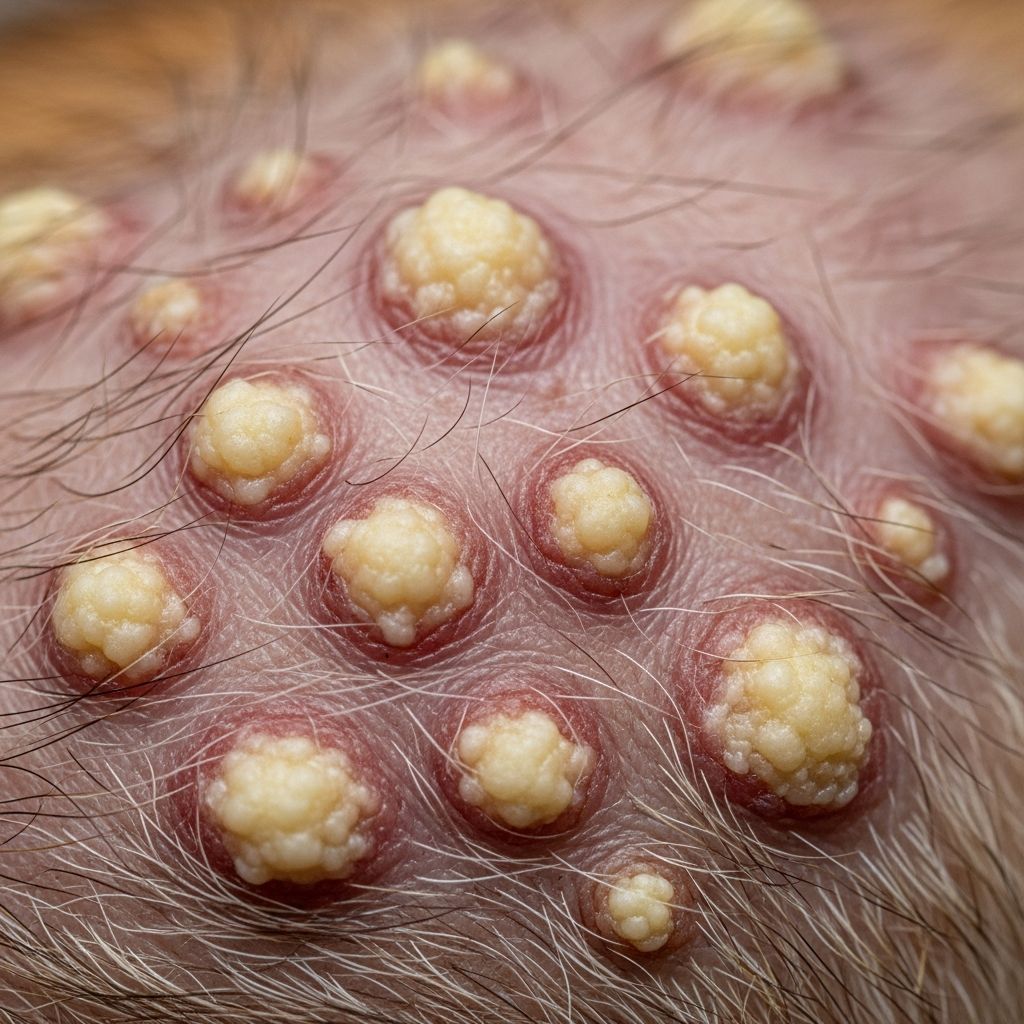
Calcinosis cutis is a dermatological issue in dogs where calcium salts accumulate abnormally in the skin layers, forming firm nodules or plaques that can cause discomfort and secondary complications. This condition often signals underlying health problems, requiring prompt veterinary evaluation to address root causes and manage symptoms effectively.
Defining Calcinosis Cutis and Its Variants
In veterinary medicine, calcinosis cutis refers to the pathological deposition of calcium in the dermis and subcutaneous tissues. It manifests as dystrophic calcification, where normal blood calcium levels accompany deposits in damaged tissues, or metastatic calcification linked to hypercalcemia. A related form, calcinosis circumscripta, typically appears at trauma-prone sites like bony prominences or footpads, predominantly in young large-breed dogs.
These deposits create hard, mineralized clusters that alter skin texture, often appearing as red, white, or yellow bumps. While localized cases may be benign, widespread involvement, termed calcinosis universalis, demands urgent intervention.
Common Clinical Manifestations
Dogs with calcinosis cutis exhibit distinctive skin changes. Key signs include:
- Firm, raised lumps or plaques on the skin, frequently on the back, neck, abdomen, groin, or pressure points like elbows.
- Reddened, inflamed skin surrounding the deposits, often with gritty yellow, white, or gray crusts.
- Intense itching leading to scratching, self-trauma, and dark scabs.
- Secondary bacterial infections causing pus discharge, swelling, and oozing wounds.
- Associated systemic symptoms if underlying disease present: potbelly, hair loss, increased thirst, urination, and muscle wasting.
Lesions vary from small, isolated spots in mild cases to extensive coverage in severe ones, particularly in breeds prone to hormonal imbalances. Early detection prevents progression and complications like chronic infections.
Primary Causes and Risk Factors
The etiology of calcinosis cutis is multifaceted, often tied to disrupted calcium metabolism. The leading trigger is prolonged corticosteroid therapy, such as prednisone, which elevates cortisol-like effects, promoting dermal calcification. This iatrogenic form mimics natural overproduction of cortisol in Cushing’s disease (hyperadrenocorticism), affecting the back and ventral areas.
Other contributors include:
- Hypercalcemia from systemic diseases: Kidney failure, certain cancers, or vitamin D toxicity elevates blood calcium, leading to metastatic deposits.
- Trauma or inflammation: Dystrophic type follows injections, injuries, or infections like leptospirosis.
- Genetic predisposition: Large breeds such as German Shepherds, English Bulldogs, Boxers, Rottweilers, Labradors, and Boston Terriers show higher incidence, especially for circumscripta in juveniles.
| Breed | Predisposition Level | Common Sites |
|---|---|---|
| German Shepherd | High | Bony prominences, footpads |
| English Bulldog | High | Back, neck, rump |
| Boxer | Moderate | Abdomen, groin |
| Rottweiler | Moderate | Pressure points |
| Labrador Retriever | Moderate | Mouth, paws |
Understanding these factors guides targeted diagnostics and therapies.
Diagnostic Approaches
Veterinarians diagnose calcinosis cutis through a combination of clinical exams and advanced tests. Initial assessment involves physical inspection for characteristic lesions, skin scrapings, and cytology to rule out infections.
Confirmatory steps include:
- Skin biopsy: Histopathology reveals calcium salts in tissues, distinguishing dystrophic from metastatic forms.
- Bloodwork: Checks calcium, phosphorus, cortisol levels, kidney function, and screens for Cushing’s via ACTH stimulation or low-dose dexamethasone suppression tests.
- Imaging: Radiographs identify mineralized deposits; ultrasound assesses depth and extent.
Differential diagnoses encompass tumors, fungal infections, and granulomas, necessitating comprehensive panels for accuracy.
Treatment Strategies and Management
Treatment prioritizes resolving the underlying cause while alleviating skin symptoms. For steroid-induced cases, tapering or discontinuing corticosteroids is crucial, often substituting with non-steroidal alternatives.
Specific interventions:
- Topical therapies: Dimethyl sulfoxide (DMSO) solutions dissolve deposits and reduce inflammation; applied 2-3 times daily.
- Systemic medications: Bisphosphonates or calcium-lowering agents for hypercalcemia; antibiotics for infections.
- Surgical excision: For isolated, symptomatic circumscripta lesions in young dogs.
- Supportive care: Medicated shampoos, Elizabethan collars to prevent self-trauma, and nutritional adjustments.
Prognosis improves with early intervention; severe, chronic cases may require lifelong management. Regular monitoring prevents recurrence.
Preventive Measures for Dog Owners
Prevention focuses on minimizing risks. Limit long-term steroid use, opting for allergy immunotherapy or apoquel for skin issues. Routine wellness checks detect hormonal imbalances early in predisposed breeds.
- Monitor for polyuria, polydipsia, or abdominal distension signaling Cushing’s.
- Maintain balanced diets avoiding vitamin D excess.
- Protect trauma-prone areas with padding for active pups.
Owner vigilance and vet partnerships significantly reduce incidence.
Frequently Asked Questions (FAQs)
Is calcinosis cutis painful for dogs?
Lesions can be itchy and tender, especially with infections, causing discomfort. Pain varies by severity.
Can calcinosis cutis resolve on its own?
Mild, localized cases may regress if the trigger is removed early, but most require treatment.
How long does treatment take?
Weeks to months, depending on cause resolution and deposit size. Patience and consistency are key.
Is it contagious?
No, it’s not transmissible between dogs or to humans; it’s a metabolic skin disorder.
Can diet help manage it?
Low-calcium diets may support therapy in hypercalcemic cases, under vet guidance.
Long-Term Outlook and Monitoring
With proper management, many dogs achieve remission, though scarring or recurrence risks persist. Annual bloodwork and dermatology follow-ups ensure stability. Owners should watch for lesion expansion or new symptoms, seeking immediate care.
This condition underscores the importance of judicious steroid use and proactive health screening, empowering owners to safeguard their pets’ skin health.
References
- Calcinosis Circumscripta and Cutis — VCA Animal Hospitals. 2023. https://vcahospitals.com/know-your-pet/calcinosis-circumscripta-and-cutis
- What Is Calcinosis Cutis In Dogs And How Do You Treat It? — Kingsdale Animal Hospital. 2024. https://www.kingsdale.com/what-is-calcinosis-cutis-in-dogs-and-how-do-you-treat-it
- Calcinosis Cutis and Mucinosis in Dogs — My Pet Nutritionist. 2023. https://mypetnutritionist.com/post/calcinosis-cutis-and-mucinosis-in-dogs/
- Calcinosis Cutis in Dogs — WagWalking. 2024. https://wagwalking.com/condition/calcinosis-cutis
- Calcinosis Cutis in Dogs — Preventive Vet. 2023. https://www.preventivevet.com/dogs/calcinosis-cutis
- Calcinosis Cutis — DCFAWA Veterinary Dermatology. 2023. https://www.dcfawa.com/calcinosis-cutis
Similar Articles








Read full bio of medha deb