
Calcinosis Circumscripta and Cutis in Pets
Understanding calcium deposits in your pet's skin: causes, symptoms, and treatment options.
Understanding Calcinosis Circumscripta and Calcinosis Cutis in Pets
Calcinosis is a condition characterized by the abnormal deposition of calcium salts in the skin and subcutaneous tissues of pets. This condition manifests in two primary forms: calcinosis circumscripta and calcinosis cutis. While both involve calcium accumulation in the skin, they differ significantly in their distribution, underlying causes, and clinical presentations. Understanding these conditions is essential for pet owners and veterinarians to provide appropriate care and management strategies.
What is Calcinosis Circumscripta?
Calcinosis circumscripta is a localized form of calcium deposition that typically affects specific areas of a pet’s body. This condition is characterized by calcium crystal formation confined to particular regions, most commonly affecting pressure points such as the paws, elbows, and joints. Additionally, calcinosis circumscripta can develop at suture sites following surgical procedures or on the tongue and other oral structures.
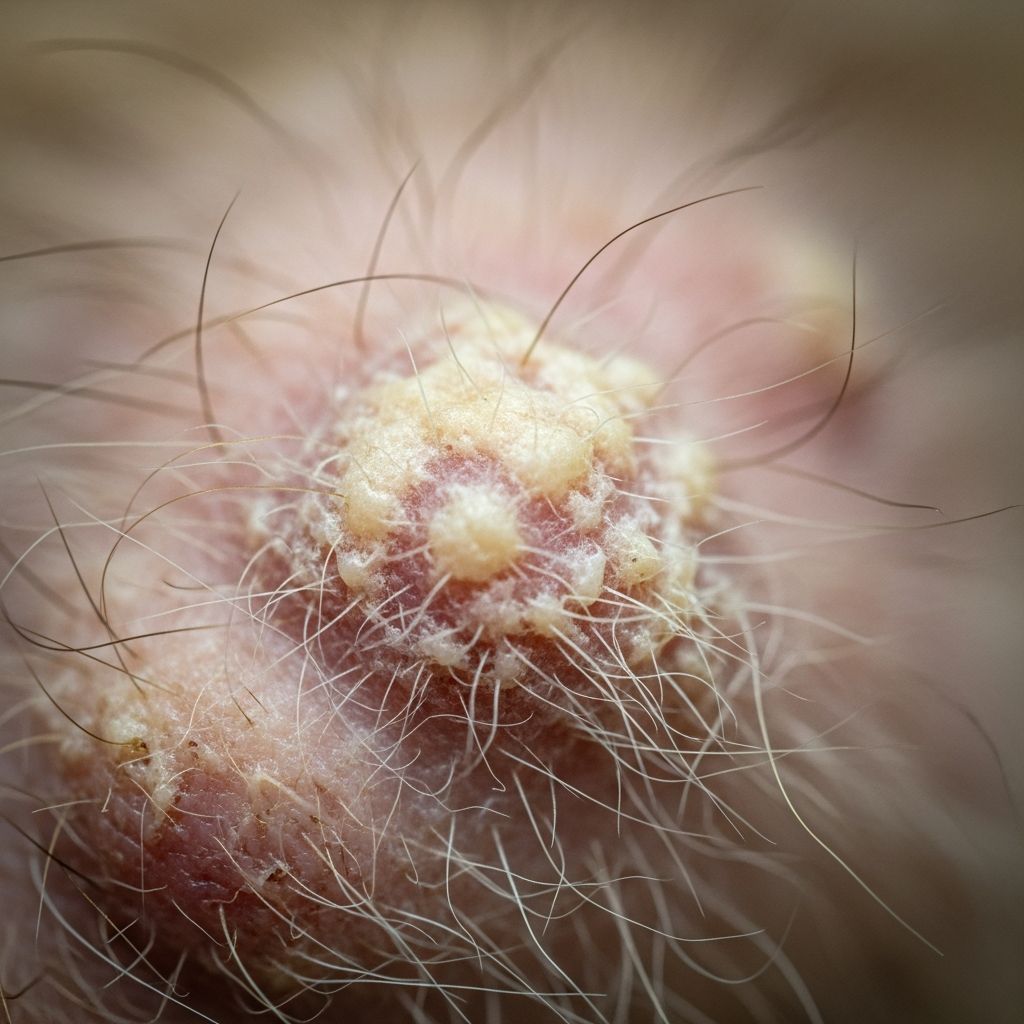
Unlike its counterpart, calcinosis cutis, calcinosis circumscripta involves a more limited distribution of calcium deposits. The lesions are usually firm, whitish or yellowish nodules that may feel gritty to the touch. These localized deposits can vary in size and may occasionally discharge a chalk-like material composed primarily of calcium phosphate.
What is Calcinosis Cutis?
Calcinosis cutis represents a more generalized form of calcium deposition that affects multiple areas of the skin and subcutaneous tissue. This condition occurs when calcium crystals are abnormally distributed throughout broader regions of the body, rather than remaining confined to a single area.
The most common cause of calcinosis cutis is elevated steroid levels, which may result from either external steroid administration or from the body’s own increased production of steroids, particularly in conditions such as Cushing’s disease. Steroids significantly alter calcium and phosphate metabolism, leading to abnormal mineral deposition in skin tissues.
Causes and Risk Factors
Primary Causes of Calcinosis Cutis
Calcinosis cutis develops through several distinct mechanisms, each associated with different underlying conditions:
- Steroid-induced: Prolonged use of corticosteroid medications or diseases like Cushing’s syndrome that increase cortisol production
- Dystrophic calcification: Calcium deposition in damaged, inflamed, or necrotic tissue despite normal calcium and phosphate levels
- Metastatic calcification: Abnormal calcium and phosphate metabolism leading to tissue deposition
- Idiopathic causes: Calcification occurring without identifiable tissue injury or metabolic abnormality
Causes of Calcinosis Circumscripta
Calcinosis circumscripta develops through different mechanisms than calcinosis cutis. Common causes include trauma or pressure to specific body areas, injection sites, surgical suture locations, and areas of chronic inflammation. These localized deposits often form as a result of tissue damage at specific pressure points or injury sites.
Clinical Signs and Symptoms
Appearance of Lesions
Calcinosis cutis lesions commonly appear as bumps or flat raised areas known as papules or plaques on the skin surface. These lesions typically display gritty yellow, white, or grey granules and are frequently surrounded by reddened or inflamed skin. The appearance may range from small, localized spots to larger, more extensive plaques depending on disease severity.
Calcinosis circumscripta lesions appear as firm, localized nodules at pressure points. These deposits maintain a more defined boundary than calcinosis cutis and often feel distinctly hard and gritty when palpated.
Common Locations
In calcinosis cutis, lesions most commonly affect the back, underarms, and groin areas, though they can develop at virtually any skin surface. Lesions often start in one area and progressively spread if the underlying cause remains uncontrolled.
Calcinosis circumscripta deposits typically localize to pressure-bearing areas including:
- Paws and footpads
- Elbows
- Pressure points and bony prominences
- Surgical suture sites
- Oral cavity and tongue
Associated Symptoms
Many animals with calcinosis cutis experience pruritus (itching) and general discomfort. The inflammatory response surrounding the lesions causes skin irritation and sensitivity. Secondary bacterial or fungal infections frequently develop within affected areas, resulting in red-tinged or purulent discharge, increased swelling, and intensified itching. Pets may display signs of pain or reluctance to move, particularly if lesions affect joints or pressure-bearing areas.
In calcinosis circumscripta, symptoms vary based on lesion location. Lesions affecting joints may restrict mobility, while oral lesions can interfere with eating. Some pets remain asymptomatic, while others experience pain, especially with fingertip or pressure point lesions.
Diagnosis
Physical Examination
Veterinarians begin diagnosis with a thorough physical examination, identifying the location, size, and characteristics of suspicious lesions. Surface samples are collected from lesions for microscopic examination to determine whether secondary infections are present, which is important for treatment planning.
Definitive Diagnostic Methods
Calcinosis cutis is definitively diagnosed using a skin biopsy, where a tissue sample is collected and submitted to a pathologist for histological analysis. Biopsies reveal calcium crystals deposited throughout the skin layers, often surrounded by inflammatory cell infiltration. Under microscopy with special staining techniques such as von Kossa stains, calcium deposits appear as dark blue or black granules and irregular masses.
The histopathological findings show fine granules within the dermis and larger, irregular calcium masses in the subcutaneous tissue, confirming the diagnosis and helping classify the specific type of calcinosis present.
Additional Diagnostic Tests
When Cushing’s disease is suspected as the underlying cause, confirmatory testing becomes essential before initiating treatment. These tests may include:
- ACTH stimulation test: Measures cortisol response to synthetic ACTH injection
- Low Dose Dexamethasone Suppression Test: Evaluates cortisol suppression after dexamethasone administration
- Abdominal ultrasound: Visualizes adrenal gland size and characteristics
Laboratory analysis of serum calcium and phosphate levels helps differentiate between dystrophic, metastatic, and other forms of calcinosis. Radiographic imaging including plain film radiographs, CT scanning, or bone scintigraphy may demonstrate the extent and distribution of tissue calcification throughout the body.
Treatment Options
Addressing Underlying Causes
Effective treatment of calcinosis cutis requires identification and management of the underlying cause. In cases where steroid administration is responsible, veterinarians work to reduce or eliminate steroid use when clinically feasible, replacing high-dose therapy with alternative medications or gradual tapering protocols.
For pets with Cushing’s disease, specific treatments targeting cortisol overproduction can help resolve calcinosis cutis. Treatment options for Cushing’s disease include surgical adrenalectomy, radiation therapy, or medical management with medications that suppress cortisol production.
Symptomatic Management
While medical therapy for calcinosis cutis offers limited and variable benefits, several approaches can improve comfort and manage secondary complications:
- Infection management: Antibiotics or antifungal medications for secondary infections
- Anti-inflammatory therapy: NSAIDs to reduce inflammation and discomfort
- Topical treatments: Medicated shampoos and creams to soothe affected skin
- Wound care: Regular cleaning and protective dressings for ulcerated lesions
- Dietary modification: Reduced calcium and phosphate intake in some cases
Management of Calcinosis Circumscripta
Since calcinosis circumscripta deposits are localized, management focuses on preventing further trauma to affected areas and managing any associated discomfort. Surgical excision of lesions may be considered if they cause significant functional impairment or repeated infections, though recurrence is possible.
Prognosis and Long-term Management
The prognosis for calcinosis cutis depends significantly on the underlying cause and whether it can be effectively treated. Pets with steroid-induced calcinosis cutis may show improvement once steroid levels are normalized. Conversely, calcinosis cutis associated with systemic diseases may persist despite treatment efforts.
Long-term management strategies include:
- Regular veterinary monitoring and follow-up examinations
- Skin care protocols to prevent secondary infections
- Environmental modifications to reduce pressure on affected areas
- Periodic reassessment of treatment efficacy
Calcinosis circumscripta typically remains stable and localized, with the prognosis being generally favorable. However, lesions may persist indefinitely even with appropriate management.
Frequently Asked Questions
Q: Can calcinosis circumscripta and cutis be prevented?
A: While these conditions cannot always be prevented, minimizing trauma to the skin, using the lowest effective dose of steroids when medically necessary, and promptly treating underlying systemic diseases may reduce risk.
Q: Are these conditions contagious to other pets?
A: No, calcinosis circumscripta and cutis are not contagious. They result from individual metabolic or traumatic factors and cannot spread between animals.
Q: How quickly do these conditions develop?
A: Lesions may develop gradually and remain asymptomatic for extended periods, or they may progress rapidly in some cases. Development speed depends on the underlying cause and individual factors.
Q: Will my pet’s hair grow back over affected areas?
A: Hair regrowth depends on the severity of skin damage and inflammation. With appropriate treatment and if inflammation resolves, hair may regrow over affected regions.
Q: What is the cost of treating these conditions?
A: Treatment costs vary significantly based on diagnostic testing required, underlying disease treatment, and symptomatic management needs. Initial diagnostics including biopsy may range from several hundred to over a thousand dollars.
Q: Can these conditions affect pets of any age?
A: Yes, both conditions can affect pets across all age groups, though certain underlying causes may be more common in specific age populations.
References
- Calcinosis Cutis — NCBI Bookshelf (StatPearls). 2024. https://www.ncbi.nlm.nih.gov/books/NBK448127/
- Calcinosis Cutis — DermNet. 2024. https://dermnetnz.org/topics/calcinosis-cutis
- Calcinosis Cutis — Veterinary Dermatology Specialists — Dermatology Center for Animals. 2024. https://www.dcfawa.com/calcinosis-cutis
- Calcinosis Cutis: Risk Factors and Management — MD Searchlight. 2024. https://mdsearchlight.com/skin-problems-and-treatments/calcinosis-cutis/
- Calcinosis Circumscripta in Dogs — Wag Walking. 2024. https://wagwalking.com/condition/calcinosis-circumscripta
Similar Articles








Read full bio of medha deb


