

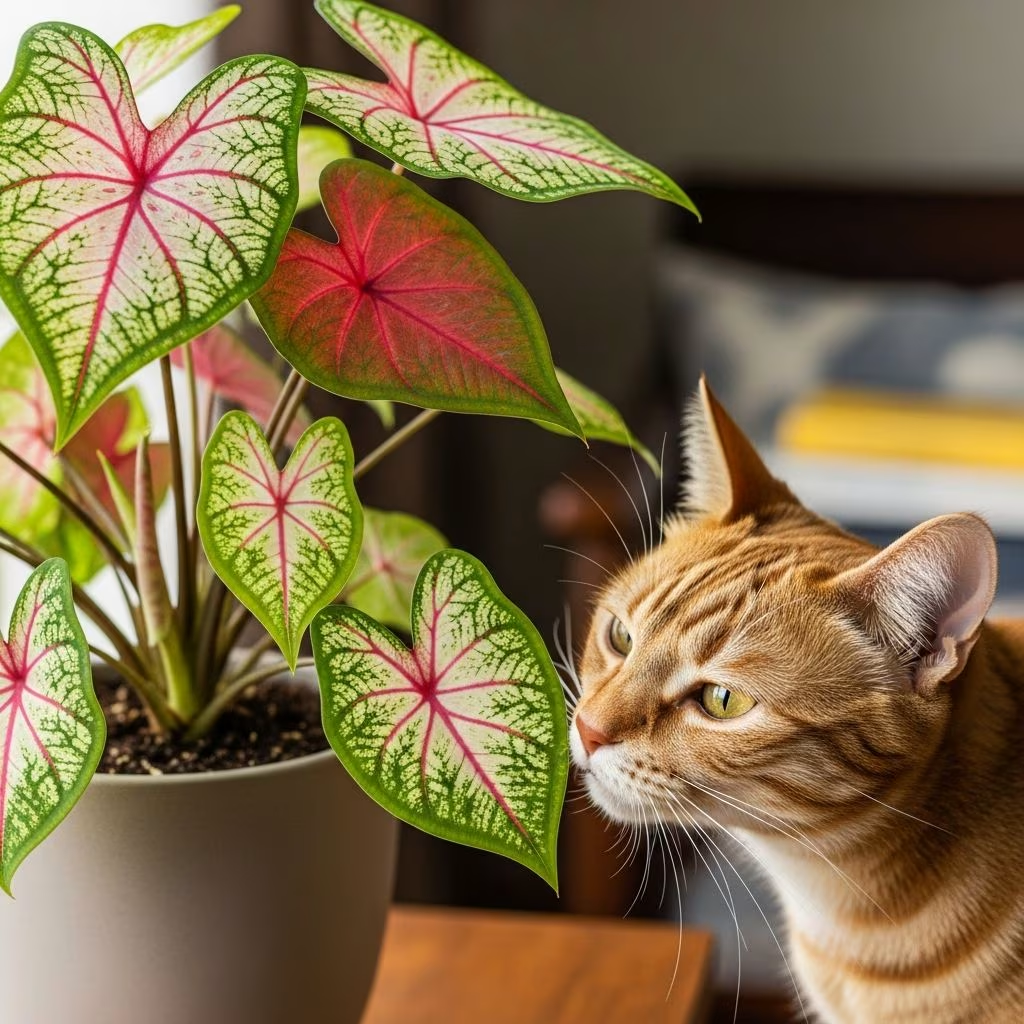
The caladium plant, with its striking heart-shaped foliage and vibrant color patterns, has become a popular choice for indoor gardeners seeking to add tropical aesthetics to their living spaces. However, beneath its beautiful exterior lies a significant health hazard for cat owners. Caladium plants contain toxic compounds that pose genuine risks to feline health, making it essential for pet owners to understand the dangers and take appropriate precautions.
The Chemical Composition Behind Caladium’s Toxicity
The caladium plant belongs to the Araceae family, a group of plants known for containing harmful chemical compounds. The primary toxic agent in caladium is insoluble calcium oxalate crystals, which are present throughout the entire plant structure. These microscopic crystals are designed as part of the plant’s natural defense mechanism against herbivores in its native tropical environment.
When a cat chews, bites, or damages any part of a caladium plant, these calcium oxalate crystals are released into the surrounding tissue. The sharp, needle-like structure of these crystals causes immediate physical irritation and penetration of the delicate tissues they contact. This mechanism differs from many other plant toxins that operate through chemical poisoning; instead, the damage is primarily mechanical, making it particularly effective at causing localized pain and inflammation.
Which Parts of the Caladium Plant Are Most Dangerous?
A common misconception among plant enthusiasts is that certain parts of a caladium plant might be safer than others. Unfortunately, this assumption is incorrect. Every component of the caladium plant—including leaves, stems, roots, and tubers—contains harmful calcium oxalate crystals.
While research suggests that roots and tubers may contain higher concentrations of oxalate crystals compared to leaves and stems, this distinction offers little practical safety benefit. Any ingestion of plant material can trigger toxic reactions in cats, regardless of which plant part is consumed. Pet owners should treat the entire plant as uniformly hazardous and maintain consistent prevention strategies.
Clinical Manifestations of Caladium Poisoning in Cats
When a cat ingests caladium plant material, the resulting poisoning typically develops with recognizable clinical signs. Oral irritation and gastrointestinal distress represent the most common consequences of caladium toxicity.
The following symptoms may appear in affected cats:
- Excessive drooling or hypersalivation from mouth irritation
- Visible swelling of the mouth, tongue, lips, and oral tissues
- Reluctance to eat or complete loss of appetite
- Vomiting or regurgitation
- Difficulty swallowing due to throat or mouth pain
- Stomach upset and gastrointestinal discomfort
- Difficulty breathing or respiratory distress (rare but serious)
The severity of symptoms depends on several factors, including the amount of plant material consumed and the specific parts ingested. Some cats may experience only mild oral discomfort, while others might develop more severe gastrointestinal signs. In rare cases where significant swelling of the throat or upper airway occurs, breathing difficulties may develop, creating a potentially life-threatening emergency.
Distinguishing Caladium Toxicity from Other Health Conditions
One significant challenge for cat owners is that symptoms of caladium toxicity can mimic numerous other feline health problems. Vomiting, loss of appetite, and drooling may indicate various conditions ranging from simple dietary indiscretion to serious systemic diseases. This overlap in clinical presentations makes it difficult for owners to self-diagnose caladium poisoning without veterinary guidance.
When veterinary attention is sought, providing a plant sample or clear identification of what your cat may have eaten significantly aids diagnosis. If you suspect caladium ingestion, collect evidence of the plant material your cat consumed to show your veterinarian. This information helps eliminate other diagnostic possibilities and allows for targeted treatment protocols.
Preventing Caladium-Related Poisoning in Your Home
Understanding the Limitations of Containment Strategies
Many cat owners believe they can safely maintain caladium plants by placing them on high shelves, in closed rooms, or other supposedly inaccessible locations. This approach frequently fails because cats possess remarkable climbing and access abilities. Felines are naturally curious and motivated explorers, particularly when they detect unfamiliar or interesting plants. A shelf that seems unreachably high or a door that appears securely closed rarely provides reliable protection against a determined cat.
Implementing Deterrent Systems
For owners reluctant to part with their caladium plants, deterrent strategies may offer supplementary protection. Citrus-based sprays take advantage of cats’ natural aversion to strong citrus scents and may discourage plant investigation. Many citrus deterrents can be prepared safely at home using natural ingredients, ensuring they won’t damage the plant itself.
However, it’s important to maintain realistic expectations about deterrent effectiveness. While some cats consistently avoid citrus-scented areas, others may ignore these barriers entirely. Additionally, cats occasionally show sudden interest in previously avoided items, making deterrent-based strategies alone an insufficient safeguard for cautious pet owners.
The Most Reliable Prevention Approach
The most effective strategy for protecting cats from caladium toxicity is simply not keeping the plant in the home. While caladium plants offer aesthetic appeal, this benefit must be weighed against the genuine health risks posed to feline companions. The emotional distress of watching a poisoned cat suffer, combined with expensive veterinary treatment costs, far outweighs the decorative value of any houseplant.
This principle extends to all toxic plants, not just caladiums. Some toxic plants can cause fatal poisoning, making their elimination from cat-occupied homes a straightforward safety decision.
Creating a Cat-Safe Decorative Environment
Removing caladium plants doesn’t mean sacrificing an attractive indoor environment. Numerous non-toxic plant species provide similar visual appeal without health risks. Pet-safe alternatives include:
- Spider plants with their graceful cascading foliage
- Boston ferns offering lush green textures
- Calathea varieties with decorative leaf patterns
- African violets providing colorful flowers
- Haworthia succulents for modern aesthetics
Additionally, high-quality artificial plants and decorative elements can replicate the visual impact of living plants without any toxicity concerns. Modern artificial plants often closely resemble their living counterparts, providing aesthetically pleasing home decoration while eliminating poisoning risks entirely.
Responding to Suspected Caladium Ingestion
Immediate Actions
If you suspect your cat has eaten caladium plant material, prompt action is essential. Contact your veterinarian immediately or visit an emergency veterinary clinic if symptoms are developing. Professional evaluation allows for proper diagnosis and appropriate treatment initiation.
Information to Provide Your Veterinarian
When seeking veterinary care, provide specific details that aid diagnosis and treatment:
- The approximate time of suspected ingestion
- An estimate of how much plant material was consumed
- Which plant parts were involved (leaves, stems, roots, or tubers)
- Any symptoms currently observed in your cat
- A plant sample or photograph for identification confirmation
Understanding Treatment Options
Veterinary treatment for caladium toxicity is primarily supportive, as no specific antidote exists for calcium oxalate poisoning. Treatment typically focuses on managing symptoms and providing comfort while the cat’s body processes the ingested material. This may include:
- Oral rinses or irrigations to remove remaining crystals from the mouth
- Pain management medication to address discomfort
- Anti-nausea medication if vomiting occurs
- Fluid therapy if significant dehydration develops
- Monitoring for respiratory complications in severe cases
Most cats recover well from mild to moderate caladium toxicity with supportive care, though the experience remains uncomfortable and stressful for both pet and owner.
Frequently Asked Questions About Caladium and Cats
Can a single exposure to caladium be fatal?
Fatal outcomes from caladium toxicity are uncommon but possible, typically occurring when massive amounts of plant material are consumed or when severe airway swelling develops that interferes with breathing. Most single exposures result in temporary discomfort rather than life-threatening complications.
Are all cat breeds equally susceptible to caladium toxicity?
Caladium toxicity affects all cat breeds similarly. However, kittens and senior cats may be more vulnerable due to less-developed or compromised immune systems. Individual cats also show varying sensitivity levels based on their unique physiology.
If my cat only licked the plant, is poisoning still possible?
Even minor contact through licking can introduce some calcium oxalate crystals into a cat’s mouth, potentially causing mild irritation. While licking is less likely to cause severe toxicity than chewing, it still poses a risk and warrants monitoring for symptoms.
Can handling caladium plants harm my cat through skin contact?
Caladium plant sap can irritate sensitive skin and mucous membranes with direct contact. However, cats are primarily at risk through ingestion rather than simple touching. Still, pet owners should wash hands thoroughly after handling caladiums to avoid transferring sap to eyes, nose, or mouth.
Conclusion
While caladium plants undoubtedly enhance interior spaces with their tropical charm and vibrant foliage, they represent an unnecessary risk in homes where cats reside. The combination of calcium oxalate crystals present in every part of the plant makes caladium toxicity a preventable but potentially serious concern. By choosing non-toxic alternatives, eliminating caladium plants from cat-occupied homes, or implementing strict separation strategies, pet owners can protect their feline companions from harm. The responsibility of pet ownership includes making informed decisions about household items, and understanding caladium’s toxicity enables cat owners to create genuinely safe environments where their pets can thrive without exposure to harmful plants.
References
- Is Caladium Toxic to Cats? Vet Approved Facts & Safety Tips — Catster. 2024. https://www.catster.com/cat-health-care/is-caladium-toxic-to-cats/
- Caladium Plant Toxicity for Cats and Dogs — Caladium.de. https://caladium.de/en/sind-caladium-pflanzen-giftig-fuer-katze-und-hund/
- Caladium — Toxic and Non-toxic Plants — ASPCA. https://www.aspca.org/pet-care/aspca-poison-control/toxic-and-non-toxic-plants/caladium
- Caladium Are Toxic To Pets — Pet Poison Helpline. https://www.petpoisonhelpline.com/poison/caladium/



