

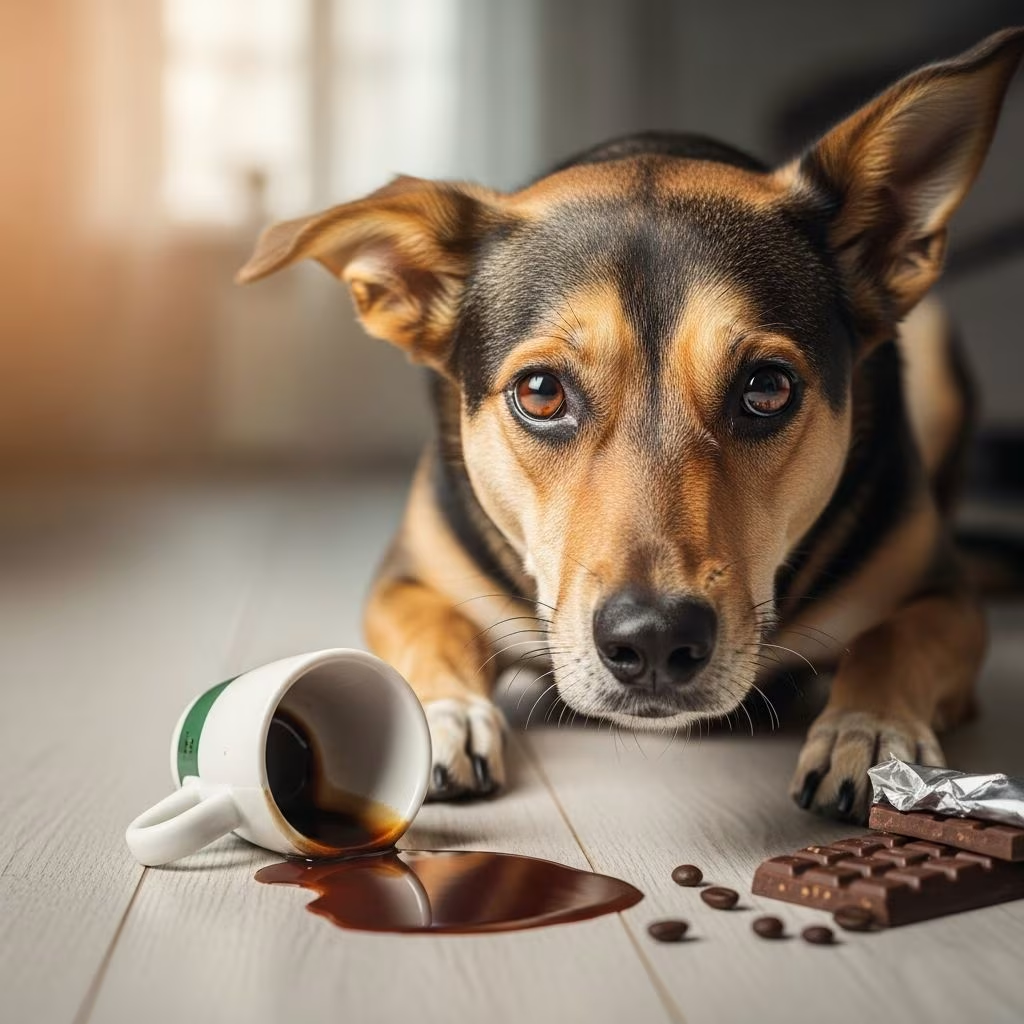
Caffeine Toxicity in Pets: A Comprehensive Guide
Caffeine is a common household substance found in coffee, tea, energy drinks, chocolate, and numerous medications. While humans can safely consume caffeine, pets are significantly more sensitive to its effects. Understanding the risks of caffeine toxicity in pets is essential for responsible pet ownership. This guide provides detailed information about how caffeine affects dogs and cats, the signs of toxicity, emergency treatment options, and prevention strategies.
What Is Caffeine and Why Is It Toxic to Pets?
Caffeine is a methylxanthine alkaloid that acts as a direct central nervous system stimulant. In humans, moderate caffeine consumption is generally safe, but pets metabolize caffeine differently and are far more sensitive to its effects. When pets consume caffeine, it stimulates their cardiovascular and nervous systems in ways that can quickly become dangerous. Caffeine also affects the gastrointestinal tract and can cause severe stomach upset. The drug causes cardiac and central nervous system stimulation, which can be particularly hazardous for animals with pre-existing heart conditions or sensitivity to stimulants.
Unlike humans who can process and eliminate caffeine efficiently, pets’ bodies cannot break down this substance as quickly, leading to dangerous accumulation in their systems. Even small amounts from multiple sources can compound and pose serious risks to pet health.
Common Sources of Caffeine in the Home
Caffeine can be found in many household products that pet owners might not immediately recognize as dangerous. Understanding these sources is crucial for prevention:
- Coffee and espresso
- Tea (both brewed and tea bags)
- Chocolate and cocoa products
- Energy drinks and sports beverages
- Soft drinks and sodas containing caffeine
- Caffeine pills and supplements
- Some over-the-counter medications
- Weight loss supplements
- Guarana-containing products
- Yerba mate beverages
Symptoms of Caffeine Toxicity in Pets
Symptoms of caffeine toxicity typically begin within 30 minutes to 2 hours after ingestion and can persist for 12 to 48 hours, depending on the amount consumed and the pet’s metabolism. The severity of symptoms directly correlates with the amount of caffeine ingested and the pet’s body weight and overall health status.
Mild Symptoms (Low Dose)
When a pet consumes a small amount of caffeine, the initial signs may be relatively subtle but noticeable:
- Restlessness and hyperactivity
- Increased heart rate
- Excessive panting
- Increased urination
- Mild vomiting or diarrhea
- Pacing or inability to relax
Moderate Symptoms (Higher Dose)
As caffeine levels increase in the bloodstream, symptoms become more pronounced and concerning:
- Muscle tremors and twitching
- Abnormal heart rhythms
- High blood pressure
- Fever or elevated body temperature
- Agitation and excessive whining
- Jitteriness and nervousness
Severe Symptoms (Toxic Dose)
High doses of caffeine can produce life-threatening symptoms that require immediate emergency intervention:
- Seizures or convulsions
- Collapse or loss of consciousness
- Loss of muscle control
- Difficulty breathing
- Coma
- Cardiac arrhythmias
- Death in extreme cases if untreated
Toxicity Levels and Risk Factors
The toxicity of caffeine depends on several factors including the amount consumed, the pet’s body weight, overall health, and individual sensitivity. Generally, caffeine toxicity in dogs and cats occurs at doses of 20 mg/kg of body weight, with severe toxicity developing at 40 mg/kg and above. A small 5-pound dog faces significantly greater risk from the same amount of caffeine as a 50-pound dog.
Certain pets are at higher risk for severe complications from caffeine exposure, including senior pets, puppies and kittens, pregnant animals, and pets with pre-existing cardiac or neurological conditions. Pets taking certain medications should also be considered at increased risk.
What to Do If Your Pet Ingests Caffeine
Immediate Actions at Home
If you suspect your pet has consumed caffeine, time is critical. Acting quickly can make a significant difference in the outcome:
- Remove the source of caffeine immediately to prevent further ingestion
- Determine the type and approximate amount of caffeine consumed
- Note the time of ingestion
- Contact your veterinarian or Pet Poison Helpline immediately
- Do not induce vomiting at home without professional guidance
- Keep the product container or packaging to show your veterinarian
Important: Call Pet Poison Helpline at 1-800-213-6680 (a 24/7 animal poison control center) as soon as you realize your pet has consumed caffeine. This service can provide immediate guidance and help your veterinarian plan appropriate treatment.
Treatment for Caffeine Toxicity
Decontamination
Early intervention is the key to successful treatment of caffeine toxicity. Your veterinarian will determine the best course of action based on how recently your pet consumed caffeine and whether symptoms are already present.
If ingestion occurred within the last 2 hours and your pet is stable, your veterinarian may induce vomiting to help remove the toxin from the system before it is absorbed into the bloodstream. This process uses specific medications or techniques to safely empty the stomach. Following vomiting, medical-grade activated charcoal is administered to minimize absorption of any remaining caffeine from the gastrointestinal tract. Activated charcoal works by binding to caffeine molecules, preventing their absorption and allowing them to be eliminated through feces.
Supportive Care and Symptom Management
Since there is no direct antidote to caffeine toxicity, treatment focuses on supporting the pet’s body systems and managing symptoms while the caffeine is metabolized and eliminated.
- Intravenous Fluid Therapy: IV fluids help flush caffeine from the pet’s system more quickly, maintain hydration, and support kidney function during elimination of the toxin.
- Cardiac Medications: If heart rate is dangerously elevated or abnormal rhythms develop, beta-blockers or other cardiac medications may be administered to stabilize the cardiovascular system.
- Anti-seizure Medications: If the pet experiences tremors or seizures, anticonvulsant medications such as phenothiazine tranquilizers (like acepromazine) are given to control these life-threatening neurological signs.
- Sedatives: These may be used if the pet is overly agitated, anxious, or hyperactive to help calm the nervous system.
- Antacids: Medications may be given to address stomach discomfort, vomiting, and diarrhea.
- Urinary Catheterization: Because caffeine may be reabsorbed across the bladder wall, a urinary catheter or frequent walks are needed to keep the bladder empty and promote elimination through urine.
Monitoring and Hospitalization
Throughout treatment, your pet will be closely monitored for vital signs including heart rate, blood pressure, body temperature, and neurological status. The duration of hospitalization depends on the severity of symptoms and how quickly your pet responds to treatment.
- Mild cases may require hospitalization through the day with close monitoring
- Moderate to severe cases may require hospitalization for 24 hours or more
- Some pets may recover within a few hours, while others require intensive care for extended periods
Recovery and Prognosis
The recovery time for caffeine toxicity varies based on the amount ingested, how quickly treatment was initiated, and the individual pet’s overall health. Pets that receive immediate veterinary attention typically have a good prognosis. Most animals recover completely with no long-term effects once caffeine has been eliminated from their systems, usually within 12 to 36 hours after ingestion.
Long-term medications are generally not required following caffeine toxicity. However, ongoing observation at home under veterinary direction may be necessary to watch for lingering restlessness, digestive issues, or behavioral changes. If your pet received emergency treatment, your veterinarian will provide specific post-treatment care instructions and monitoring guidelines.
Prevention Strategies
The best approach to caffeine toxicity is prevention. Implementing these strategies can significantly reduce the risk of accidental ingestion:
- Store all caffeinated beverages securely where pets cannot access them
- Keep coffee, tea, and energy drinks on tables or counters away from curious pets
- Dispose of used coffee grounds and tea bags in sealed, pet-proof containers
- Store chocolate, cocoa products, and caffeine pills in closed cabinets or high shelves
- Never leave unattended cups of coffee or tea where pets can knock them over
- Be aware of caffeine content in all medications and supplements
- Educate family members and visitors about the dangers of offering pets caffeinated products
- Keep the Pet Poison Helpline number readily accessible (1-800-213-6680)
Frequently Asked Questions About Caffeine Toxicity
Q: How much caffeine is toxic to dogs and cats?
A: Caffeine toxicity generally occurs at doses of 20 mg/kg of body weight, with severe toxicity developing at 40 mg/kg and above. A 10-pound dog is at much higher risk from small amounts than a 70-pound dog. Contact Pet Poison Helpline for specific guidance based on your pet’s weight and the product consumed.
Q: Can cats get caffeine toxicity like dogs?
A: Yes, cats are also susceptible to caffeine toxicity and may be even more sensitive than dogs. Cats require prompt veterinary treatment for caffeine ingestion, and symptoms may last 12 to 36 hours. Without prompt medical care, caffeine poisoning can be fatal in cats as well.
Q: What should I do if my pet drinks coffee?
A: If your pet drinks coffee, immediately contact your veterinarian or Pet Poison Helpline at 1-800-213-6680. Note how much coffee was consumed and when. Your vet will advise whether your pet needs emergency treatment based on the amount of caffeine exposure and your pet’s weight and condition.
Q: Is chocolate toxic because of caffeine content?
A: Chocolate contains both caffeine and another toxic compound called theobromine. Both contribute to chocolate toxicity in pets. Dark chocolate and baking chocolate are more dangerous than milk chocolate due to higher concentrations of these methylxanthines.
Q: How long do caffeine toxicity symptoms last?
A: Symptoms typically appear within 30 minutes to 2 hours after ingestion and can last 12 to 48 hours depending on the amount consumed and the pet’s metabolism. Severe symptoms may require hospitalization and intensive monitoring during this entire period.
Q: Is there an antidote for caffeine poisoning in pets?
A: There is no direct antidote to caffeine toxicity. Treatment focuses on decontamination, supportive care, and managing symptoms while the pet’s body eliminates the caffeine. This is why early veterinary intervention is so critical.
Q: Can my pet die from caffeine toxicity?
A: Yes, untreated caffeine toxicity can be fatal, particularly in small pets, puppies, kittens, or animals with pre-existing health conditions. However, with prompt veterinary treatment, most pets recover completely with no lasting effects.
Q: Should I induce vomiting at home?
A: Do not induce vomiting at home without professional guidance. Your veterinarian or a veterinary poison control expert should determine if vomiting is appropriate based on your pet’s condition, stability, and the timing of ingestion.
References
- Caffeine Toxicity in Pets — VCA Animal Hospitals. 2024. https://vcahospitals.com/know-your-pet/caffeine-toxicity-in-pets
- Symptoms of Caffeine Poisoning in Dogs and Treatment — Cuddly Tails. 2024. https://www.cuddlytails.com/blogs/caffeine-poisoning-in-dogs-and-treatment/
- Understanding Caffeine Toxicity in Pets — American Emergency Care Veterinary Medicine Network. 2024. https://aercmn.com/understanding-caffeine-toxicity-in-pets/
- People Food Toxic to Pets: Caffeine — DVM360. 2024. https://www.dvm360.com/view/people-food-toxic-pets-caffeine
- Cats and Caffeine: Can Cats Drink Coffee? — PetMD. 2024. https://www.petmd.com/cat/poisoning/can-cats-drink-coffee



