

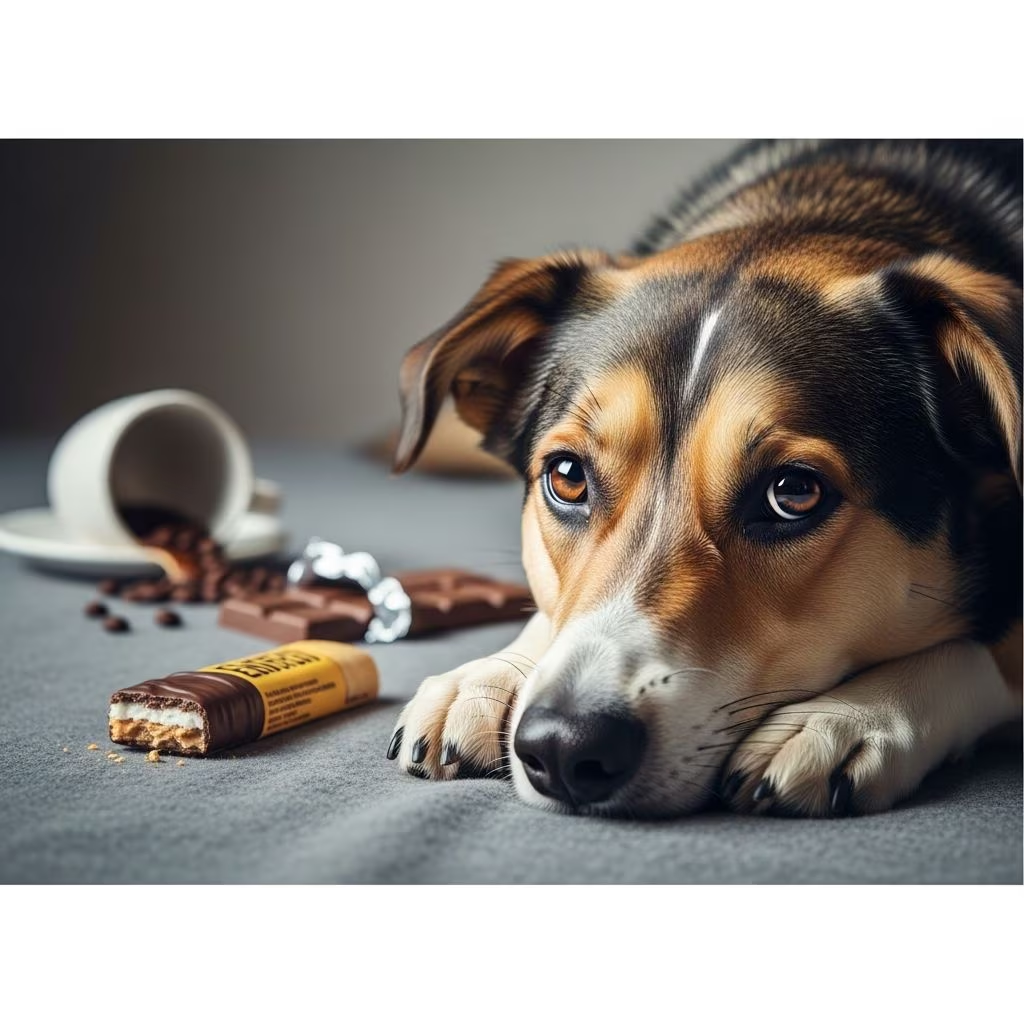
Caffeine Toxicity in Pets: A Comprehensive Guide
Caffeine is a common substance found in many household products that pet owners may not realize poses a serious health risk to their furry companions. Unlike humans, dogs and cats are significantly more sensitive to caffeine’s effects on the central nervous and cardiovascular systems. Understanding the dangers of caffeine toxicity, recognizing warning signs, and knowing how to respond in an emergency can mean the difference between life and death for your beloved pet.
Caffeine is a direct central nervous system stimulant that can cause rapid and potentially severe reactions in animals. From coffee and tea to energy drinks, chocolate, and over-the-counter medications, caffeine lurks in many places within our homes. Pet owners should be aware of these risks and take preventive measures to protect their animals from accidental ingestion.
How Caffeine Affects Your Pet
Caffeine affects pets differently than it affects humans due to their smaller body size and different metabolic rates. When pets consume caffeine, it causes both cardiac and central nervous system stimulation, which can be extremely dangerous. The substance also affects the gastrointestinal tract and can cause significant stomach upset.
Pets that consume caffeine may develop an increased heart rate and become hyperactive. They can become jittery, restless, and experience an inability to lie still. Some pets may pace excessively or vocalize more than usual. The severity of these reactions depends on the amount of caffeine consumed and the pet’s body weight, with smaller animals being at greater risk.
Common Sources of Caffeine
Caffeine can be found in numerous household items that pet owners should keep securely stored:
- Coffee and coffee grounds
- Tea and tea bags
- Energy drinks and soft drinks
- Chocolate (especially dark chocolate)
- Over-the-counter medications containing caffeine
- Weight loss supplements
- Guarana-containing products
Small breed dogs are particularly vulnerable to caffeine poisoning due to their lower body weight, requiring only minimal amounts of caffeine-containing products to reach toxic levels.
Recognizing Caffeine Toxicity Symptoms
Timeline of Symptom Onset
Symptoms of caffeine toxicity typically begin 30 to 60 minutes after ingestion and can last for 12 to 48 hours. Early recognition is crucial for successful treatment outcomes. The duration and severity of symptoms depend on the amount of caffeine consumed and your pet’s overall health status.
Early Warning Signs
The initial symptoms of caffeine poisoning may seem mild but should never be ignored:
- Restlessness and hyperactivity
- Panting or rapid breathing
- Increased heart rate and elevated blood pressure
- Pacing or inability to relax
- Vomiting or diarrhea
- Excessive drooling
- Increased thirst and urination
Severe Symptoms Requiring Emergency Care
As caffeine levels rise in the bloodstream, symptoms can rapidly escalate and become life-threatening. These advanced signs demand immediate veterinary intervention:
- Muscle tremors and twitching
- Seizures
- Irregular heartbeat or arrhythmias
- Rapid heart rate exceeding normal ranges
- Elevated body temperature
- Weakness and collapse
- Coma and loss of consciousness
If left untreated, large ingestions of caffeine can even be fatal to dogs and cats.
Symptom Comparison by Body System
| System Affected | Clinical Symptoms |
|---|---|
| Gastrointestinal | Vomiting, diarrhea, drooling, abdominal discomfort |
| Nervous System | Restlessness, hyperactivity, tremors, seizures, muscle twitching |
| Cardiovascular | Rapid heart rate, irregular heartbeat, high blood pressure |
| Respiratory | Rapid breathing, panting |
| General/Severe | Weakness, collapse, coma, sudden death |
If you notice any of these signs, it is considered a pet emergency. Time is critical.
Immediate First Aid Steps
If you suspect your cat or dog has ingested caffeine, immediate action is essential. Follow these critical steps:
Stay Calm and Act Quickly
Panic wastes valuable time. While your concern is justified, maintaining composure allows you to act efficiently and provide the information veterinarians need for proper treatment.
Secure Your Pet and the Toxin
Remove access to the toxin immediately to ensure your pet cannot consume more. If possible, keep the product packaging or determine exactly what your pet consumed and approximately how much.
Do Not Induce Vomiting Without Professional Guidance
This is critical. In some cases, inducing vomiting without proper veterinary guidance can cause more harm than good. Always consult a professional before attempting any home remedies.
Contact Veterinary Professionals Immediately
Call your veterinarian or Pet Poison Helpline, a 24/7 animal poison control center, at 1-800-213-6680 as soon as you realize your pet has consumed caffeine. Provide the following information:
- Type of caffeine product consumed
- Estimated amount ingested
- Your pet’s current weight
- Time of ingestion
- Any symptoms currently observed
Seek Emergency Care
Transport your pet to a veterinary clinic or emergency animal hospital as quickly as possible. While driving, have another person call the pet poison helpline to provide additional guidance.
Veterinary Treatment for Caffeine Toxicity
Decontamination
Your pet’s veterinarian may induce vomiting to help remove the toxin from the system before it is absorbed into the bloodstream. This is typically only performed if ingestion occurred within the last 2 hours and your pet is not showing severe symptoms.
Medical-grade activated charcoal may also be administered to minimize absorption of any remaining toxin from the gastrointestinal tract. Multidose activated charcoal administration at specific intervals may be recommended during treatment.
Supportive Care and Monitoring
Early intervention is key to successful treatment. As with all poisoning cases, prompt action significantly improves outcomes. Treatment typically includes:
- Intravenous (IV) fluid therapy to support hydration, maintain blood pressure, and promote toxin elimination through the kidneys
- Continuous monitoring of heart rate, blood pressure, temperature, and behavior
- Medications to control tremors, seizures, and irregular heartbeats
- Sedatives for hyperactivity and nervous system stimulation
Hospitalization and Recovery
The length of hospital stay depends on the severity of symptoms and the amount of caffeine consumed. Mild cases may only require monitoring through the day, while severe cases might necessitate several days of hospitalization. Symptoms of caffeine poisoning can last 12 to 36 hours, so your pet may need to remain in the clinic overnight for continued monitoring and treatment.
There is no specific antidote to caffeine toxicity, but supportive care and time allow your pet’s body to metabolize and eliminate the caffeine. Long-term medications are generally not required, and as long as your pet receives prompt medical care after caffeine exposure, no residual effects are typically expected once recovery is complete.
Prognosis and Recovery Outlook
The prognosis for caffeine toxicity largely depends on the amount consumed and how quickly treatment begins. Most pets recover well with prompt medical intervention and supportive care. The key to survival is recognizing symptoms early and seeking veterinary assistance immediately when caffeine ingestion is suspected.
Pets that receive treatment within the first few hours of ingestion have significantly better outcomes than those where treatment is delayed. Even severe cases can have positive outcomes with aggressive veterinary intervention, though untreated severe toxicity can be fatal.
Prevention Strategies
Secure Storage
Store all coffee products, including ground coffee and coffee beans, in sealed containers out of reach of pets. Keep energy drinks, soft drinks, and tea stored securely in cupboards or refrigerators that your pet cannot access.
Medication Management
Store all over-the-counter medications and supplements containing caffeine in locked drawers or cabinets. Keep these items away from curious pets who might investigate or chew on bottles and packages.
Immediate Cleanup
Clean up spills immediately and ensure proper disposal of used coffee grounds, tea bags, and beverage containers. A spilled energy drink or forgotten coffee cup on a nightstand could pose a serious risk to your pet.
Household Education
Educate all household members, including children and visitors, about the risks of caffeine to pets. Make sure everyone understands the importance of not sharing beverages or leaving food items unattended where pets might access them.
Chocolate Awareness
Be particularly cautious with chocolate products, which contain both caffeine and theobromine, another harmful compound. Dark chocolate and baking chocolate contain the highest concentrations and pose the greatest risk.
When to Seek Emergency Care
Contact your veterinarian or emergency animal hospital immediately if your pet shows any signs of caffeine toxicity, especially if you suspect intentional or accidental ingestion. Never wait to see if symptoms improve on their own, as caffeine toxicity can rapidly escalate and become life-threatening.
Emergency situations include severe tremors, seizures, collapse, difficulty breathing, or any loss of consciousness. If you are unsure whether your pet has ingested a toxic amount of caffeine, it is always better to err on the side of caution and seek professional evaluation.
Frequently Asked Questions
Q: How much caffeine is toxic to pets?
A: The toxic dose varies based on your pet’s body weight. In general, 20 mg of caffeine per kilogram of body weight can cause mild symptoms, while 40-50 mg/kg can cause severe toxicity. Smaller pets are affected by smaller amounts, which is why a few sips of coffee could be dangerous for a toy breed dog.
Q: Can cats and dogs have the same caffeine toxicity symptoms?
A: Yes, both cats and dogs experience similar symptoms when exposed to caffeine, including hyperactivity, tremors, irregular heartbeats, and seizures. Cats may be slightly more sensitive due to their smaller average body size and different metabolic rates.
Q: What should I do if my pet swallows a caffeine pill or tablet?
A: Contact your veterinarian or Pet Poison Helpline immediately. Caffeine tablets are highly concentrated and can cause severe toxicity even in small amounts. Seek emergency care right away.
Q: Is there an antidote for caffeine poisoning?
A: There is no direct antidote to caffeine toxicity. Treatment focuses on supportive care, including fluid therapy, monitoring, and medications to manage symptoms while your pet’s body metabolizes and eliminates the caffeine.
Q: How long does it take for caffeine symptoms to appear?
A: Symptoms typically appear within 30 minutes to 2 hours after ingestion and can persist for 12 to 48 hours depending on the amount consumed and your pet’s metabolism.
Q: Can my pet die from caffeine toxicity?
A: Yes, untreated caffeine toxicity can be fatal, especially in cases of large ingestions. However, with prompt veterinary intervention and supportive care, most pets recover successfully.
References
- Chocolate & Caffeine Toxicity in Dogs and Cats: Symptoms & First Aid — North Care Animal Hospital. 2025. https://northcareanimalhospital.com/chocolate-caffeine-toxicity-in-dogs-and-cats-symptoms-first-aid/
- Dog Ate Coffee Grounds: Symptoms, Treatment & Prevention Guide — Pets Care. 2025. https://www.petscare.com/news/post/dog-ate-coffee-grounds
- Understanding Caffeine Toxicity in Pets — AERCMN (Animal Emergency and Referral Center of Minnesota). 2025. https://aercmn.com/understanding-caffeine-toxicity-in-pets/
- Caffeine Toxicity in Pets — VCA Animal Hospitals. 2025. https://vcahospitals.com/know-your-pet/caffeine-toxicity-in-pets
- Cats and Caffeine: Can Cats Drink Coffee? — PetMD. 2024. https://www.petmd.com/cat/poisoning/can-cats-drink-coffee
- Death by Caffeine: Presumptive Malicious Poisoning of a Dog by Oral Caffeine Tablet Administration — PubMed Central, National Institutes of Health. 2013. https://pmc.ncbi.nlm.nih.gov/articles/PMC3550263/



