

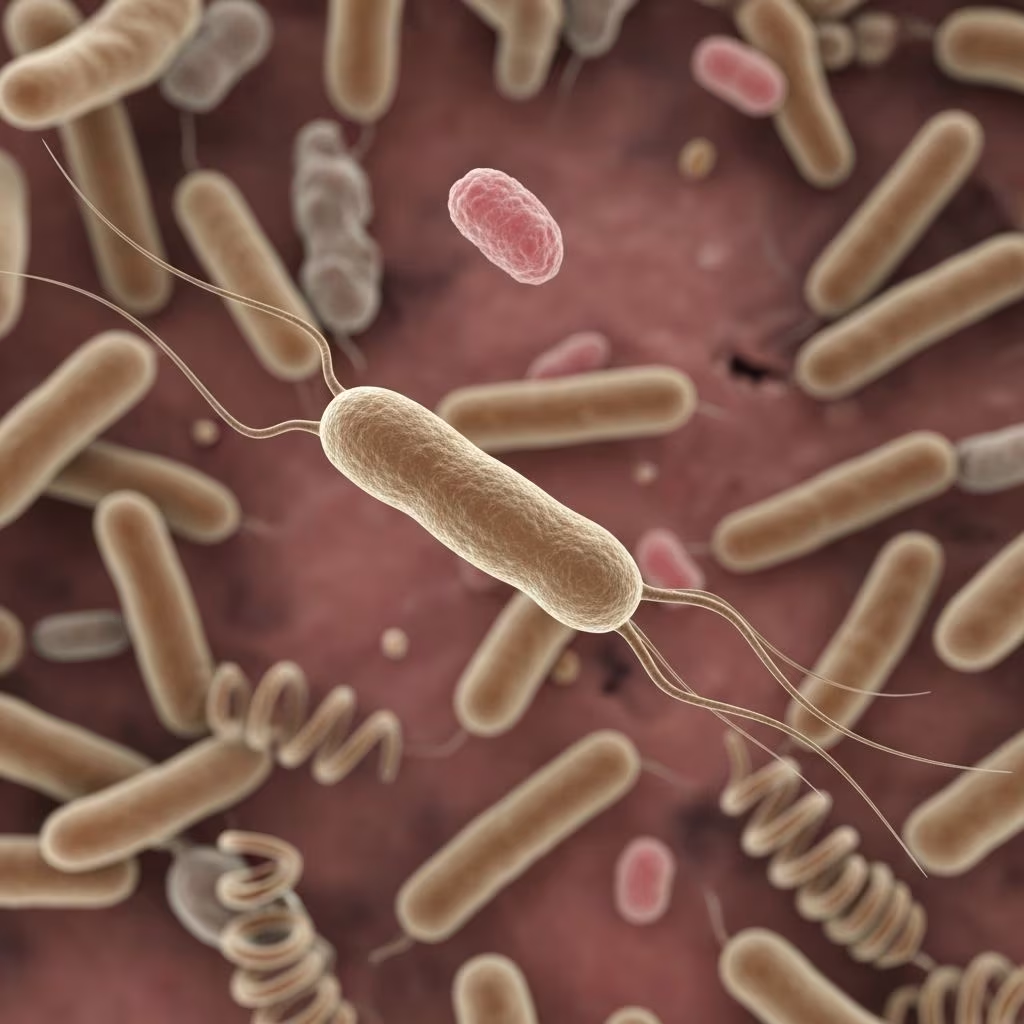
Clostridioides difficile, commonly known as C. difficile or C. diff, represents a significant bacterial concern for canine digestive health. This spore-forming bacterium can trigger persistent diarrhea and related complications in dogs, particularly those exposed to antibiotics or underlying gut issues. While often linked to antibiotic use, recent veterinary insights reveal multifaceted causes and promising non-antibiotic interventions.
Recognizing the Signs of C. difficile Infection
Dogs affected by C. difficile typically exhibit gastrointestinal distress that may initially seem like routine upset but persists or recurs. Key indicators include:
- Chronic or recurring diarrhea, often with mucus or blood traces
- Increased defecation frequency and straining
- Abdominal discomfort, evidenced by hunching or reluctance to be touched
- Occasional vomiting and flatulence
- Lethargy, dehydration, and in severe cases, fever.
These symptoms can mimic other enteropathies, complicating initial assessments. In documented cases, dogs showed partial improvement on antibiotics only for signs to rebound post-treatment, highlighting the need for thorough evaluation.
What Triggers C. difficile in Canines?
The gut microbiome maintains a delicate balance, and disruptions allow opportunistic pathogens like C. difficile to proliferate. Primary risk factors encompass:
| Risk Factor | Description | Impact |
|---|---|---|
| Antibiotic Exposure | Broad-spectrum drugs eliminate beneficial bacteria, enabling C. diff spores to germinate | Highest risk; common in treated dogs |
| Immunosuppressants | Medications like cyclosporine for conditions such as atopic dermatitis | Diarrhea onset post-treatment initiation |
| Dietary Imbalances | Inadequate fiber or sudden diet changes | Promotes dysbiosis and toxin production |
| Hospitalization | Exposure in veterinary settings | Increased colonization rates |
Unlike self-resolving bacterial overgrowth, C. difficile produces toxins A and B, damaging intestinal lining and causing inflammation. Studies note its presence in dogs with chronic diarrhea unresponsive to standard therapies, often alongside eosinophilic colitis.
Diagnostic Approaches for Accurate Identification
Veterinarians employ several methods to confirm C. difficile:
- Fecal Toxin Testing: Detects toxins A/B via ELISA or PCR, crucial for toxigenic strains.
- Culture and Microscopy: Identifies bacteria through fecal smears, though less specific.
- Colonoscopy and Biopsy: Reveals mucosal changes like eosinophilic infiltration in refractory cases.
- Exclusion of Co-Infections: Rules out parasites, viruses, or other bacteria.
Early diagnosis prevents escalation, as untreated infections lead to dehydration and weight loss. Negative toxin tests during treatment may not indicate clearance if symptoms recur.
Conventional Treatment Strategies
Standard protocols focus on symptom relief and bacterial reduction:
- Antibiotics: Metronidazole (20 mg/kg BID for 14 days) or amoxicillin-clavulanate; provides temporary relief but risks recurrence and resistance.
- Supportive Care: IV fluids for dehydration, anti-diarrheals if appropriate.
- Probiotics: Saccharomyces boulardii to restore flora, often combined with antibiotics.
However, antibiotics alone fail in many chronic cases, as seen in dogs relapsing post-metronidazole with persistent toxin detection.
Emerging and Holistic Treatment Options
Beyond antibiotics, innovative approaches target root causes:
Dietary Modifications
Hydrolyzed or novel protein diets resolve symptoms in food-responsive cases. Five reported dogs fully recovered within a week of diet changes, with negative follow-up tests after 10 days. High-fiber diets suppress toxin production by fostering beneficial bacteria.
Fecal Microbiota Transplantation (FMT)
FMT restores microbiome diversity, outperforming antibiotics in recurrent human cases and showing promise in veterinary applications. It repopulates the gut with healthy donor microbes, reducing C. diff persistence.
Probiotic and Prebiotic Support
Strains like S. boulardii inhibit pathogen adhesion and inflammation. Psyllium supplementation enhances fiber intake, stabilizing stools.
Integrating these yields superior outcomes, especially for antibiotic-refractory infections.
Preventing C. difficile Recurrence and Zoonotic Risks
Proactive measures safeguard canine and human health:
- Avoid unnecessary antibiotics; opt for narrow-spectrum when possible.
- Maintain consistent, high-quality diets rich in prebiotics.
- Practice hygiene: Disinfect environments, as spores resist standard cleaners.
- Monitor high-risk dogs (e.g., post-hospitalization) with fecal checks.
Zoonotic transmission is low but possible, particularly to vulnerable humans; handwashing and isolation during shedding are advised.
Case Studies: Real-World Insights
Consider a dog on cyclosporine for dermatitis developing bloody diarrhea a month later. Metronidazole reduced frequency temporarily, but relapse prompted biopsy revealing colitis. Diet shift led to full recovery. Similar patterns in four other cases underscore secondary colonization from dysbiosis. These highlight antibiotics’ limitations and diet’s efficacy.
FAQs on C. difficile in Dogs
Q: Can all dogs get C. difficile?
A: Primarily those on antibiotics or with gut disruptions; healthy dogs resist via robust microbiomes.
Q: Is metronidazole always effective?
A: No, partial responses are common, with relapses post-treatment.
Q: How long does recovery take?
A: With appropriate interventions like diet changes, often under a week; monitor for months.
Q: Are probiotics safe during infection?
A: Yes, S. boulardii is particularly beneficial and non-pathogenic.
Q: Can C. diff spread to family members?
A: Rare, but hygiene prevents potential transmission.
Q: When to seek emergency care?
A: Severe dehydration, persistent blood in stool, or lethargy warrant immediate vet attention.
Long-Term Management for Gut Health
Post-recovery, emphasize microbiome support:
- Gradual diet transitions to avoid dysbiosis.
- Regular probiotic courses during stressors like boarding.
- Annual fecal screenings for at-risk breeds or seniors.
By addressing underlying issues, owners minimize recurrence risks and enhance life quality.
References
- Clostridioides difficile infection in dogs with chronic-recurring diarrhea — PMC/NCBI. 2020-03-15. https://pmc.ncbi.nlm.nih.gov/articles/PMC7111076/
- Diarrhea Due to Clostridium perfringens in Dogs — PetMD. 2023-01-10. https://www.petmd.com/dog/conditions/digestive/c_dg_clostridial_enterotoxicosis
- C. difficile in Dogs: A Solution That Works Better Than Antibiotics — AnimalBiome. 2024-05-22. https://www.animalbiome.com/blogs/dog/c-difficile-in-dogs-a-solution-that-works-better-than-antibiotics
- Natural Support for Clostridium in Dogs — Only Natural Pet. 2023-11-08. https://www.onlynaturalpet.com/blogs/holistic-healthcare-library/clostridia-in-dogs
- Clostridial Overgrowth and Enterotoxicosis in Dogs — VCA Animal Hospitals. 2024-02-01. https://vcahospitals.com/know-your-pet/clostridial-overgrowth-enterotoxicosis-in-dogs
- Clostridium difficile and C perfringens Infections in Animals — Merck Veterinary Manual. 2025-01-15. https://www.merckvetmanual.com/infectious-diseases/clostridial-diseases/clostridium-difficile-and-c-perfringens-infections-in-animals
- Clostridium difficile – Worms & Germs Blog — Worms & Germs Blog. 2008-04-01. https://www.wormsandgermsblog.com/files/2008/04/M2-C-diff-Owners1.pdf



