
Butorphanol for Pets: Pain Relief and Uses
Understanding butorphanol: A comprehensive guide to pain management for dogs and cats.
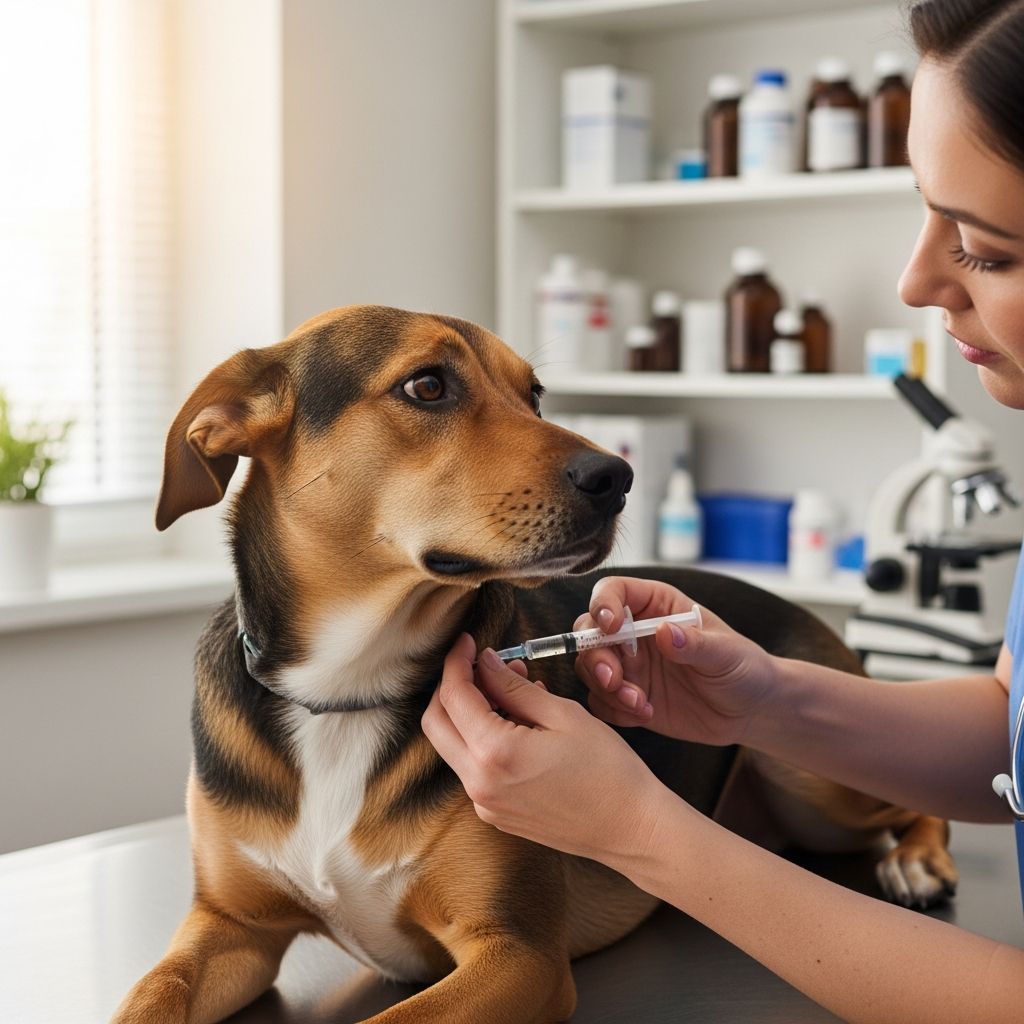
Understanding Butorphanol for Your Pet
Butorphanol is an opioid analgesic medication widely used in veterinary medicine to manage pain and discomfort in dogs and cats. This medication has become an essential tool for veterinarians in providing effective pain relief during various medical conditions and post-operative recovery. Understanding how butorphanol works, how it is administered, and what to expect can help pet owners make informed decisions about their animal’s pain management.
What is Butorphanol?
Butorphanol is classified as an opioid pain reliever that works for a short duration to alleviate mild to moderate pain in pets. The medication is known by several brand names, including Torbutrol®, Torbugesic®, and Dolorex®. Beyond pain relief, butorphanol also acts as an antagonist to pure opioids such as morphine, making it a unique medication in the veterinary pharmacological arsenal. This dual action makes it particularly valuable in managing certain pain conditions while potentially reversing effects of other opioid medications when necessary.
The pharmaceutical formulation of butorphanol comes in multiple strengths to accommodate different animal sizes and treatment requirements. Veterinary preparations typically include injectable solutions at concentrations of 0.5 mg/mL, 2 mg/mL, and 10 mg/mL, as well as oral tablets available in 1 mg, 5 mg, and 10 mg formulations. This variety allows veterinarians to tailor treatment precisely to each patient’s needs.
How Does Butorphanol Work?
Butorphanol functions as an opioid agonist-antagonist, meaning it binds to specific opioid receptors in the central nervous system to provide pain relief. Unlike pure opioid agonists, butorphanol has a ceiling effect on respiratory depression, making it a safer choice for certain patients. The medication typically begins working within 15 minutes of administration and maintains its analgesic effects for approximately 4 hours in most cases.
The mechanism of action involves stimulating pain-relieving pathways in the brain and spinal cord while simultaneously blocking the effects of pure opioids at other receptor sites. This unique pharmacological profile provides several advantages in clinical practice, particularly in managing post-operative pain and chronic discomfort.
Administration Routes and Methods
Butorphanol offers flexibility in administration, allowing veterinarians to choose the most appropriate route based on the clinical situation and the patient’s condition.
Oral Administration
Butorphanol can be administered orally in tablet form, making it convenient for at-home pain management. The oral tablets are available in various strengths to accommodate different pet sizes. These tablets may be given with or without food, though some pets may tolerate them better when given with a light meal. Pet owners should always follow their veterinarian’s specific instructions regarding timing and food administration.
Injectable Routes
For more immediate pain relief or in cases where oral administration is not feasible, butorphanol can be administered through multiple injection routes:
- Intravenous (IV) Injection: Delivers the medication directly into the bloodstream, providing rapid onset of action. This route is commonly used in veterinary clinics and hospitals.
- Intramuscular (IM) Injection: Administered into muscle tissue, this method provides effective pain relief with slightly delayed onset compared to IV administration.
- Subcutaneous (SC) Injection: Injected under the skin, this route is often used for longer-lasting pain relief and can be administered in various clinical settings.
In most veterinary settings, your veterinarian will administer injectable forms of butorphanol. However, in some cases, pet owners may be trained to give subcutaneous injections at home under veterinary supervision.
Dosing Information for Dogs and Cats
Proper dosing is critical for ensuring safe and effective pain relief. Dosage recommendations vary based on the animal species, body weight, indication for treatment, and individual patient factors.
Dosage for Pain Management
For controlling pain in dogs and cats, butorphanol is typically dosed at 0.05 to 0.4 mg per pound (0.1 to 1 mg/kg) of body weight, administered two to six times per day. The specific dose within this range depends on factors such as the severity of pain, the pet’s medical history, and concurrent medications.
Dosage for Cough Control
When used to manage coughing, butorphanol is dosed at a lower range of 0.025 to 0.05 mg per pound (0.055 to 0.11 mg/kg) of body weight, administered two to four times per day. This lower dosage is effective for suppressing cough reflexes without causing excessive sedation.
Tablet Dosing Guidelines
For oral tablet administration, the dosage may be increased to a maximum of one 5 mg tablet for each 10 pounds of body weight, with treatment typically not exceeding seven days unless specifically directed by your veterinarian. Always verify the correct tablet strength and quantity with your veterinarian before administering.
Important Precautions and Contraindications
While butorphanol is generally safe for most pets, certain precautions must be observed to ensure optimal outcomes and minimize risks.
MDR1 Mutation Considerations
Butorphanol should be used carefully in dogs with MDR1 (ABCB-1) mutations, a genetic variation that affects how certain medications are metabolized. Dog breeds most commonly found to have the MDR1 mutation include Australian Shepherds, Shetland Sheepdogs, Collies, long-haired Whippets, and Silken Windhounds. Veterinarians will weigh the pros and cons of using butorphanol in these breeds and typically decrease the dosage by 25-50% if the medication is deemed necessary.
When Medication Should Not Be Used
Medication should never be administered without first consulting your veterinarian. Certain medical conditions may contraindicate butorphanol use or require special monitoring. Your veterinarian will review your pet’s complete medical history before prescribing this medication.
Possible Side Effects and Adverse Reactions
Like all medications, butorphanol may cause side effects in some animals. Most side effects are mild and transient, but pet owners should be aware of what to watch for.
Common Side Effects
The most frequently reported side effects include slight ataxia (loss of coordination or wobbly gait), which typically lasts only 3 to 10 minutes. Mild sedation has been reported in approximately 9% of treated animals. These effects are generally not serious and resolve quickly as the medication is metabolized.
Rare Side Effects
In rare cases, transient sedation and ataxia have been reported as side effects, with marked ataxia occurring in only about 1.5% of treated animals. Some pets may experience vomiting or act sick after receiving the medication.
What to Do if Side Effects Occur
If your pet experiences any unusual symptoms or side effects after receiving butorphanol, contact your veterinarian immediately. Most side effects are self-limiting and resolve without intervention, but your veterinarian should be informed to monitor your pet’s response to the medication.
Storage and Handling Instructions
Proper storage of butorphanol ensures its efficacy and safety. Store the medication according to the label instructions, typically at room temperature away from moisture and direct sunlight. Keep all medications out of reach of children and other animals. Never use expired medication, and consult your veterinarian about proper disposal methods.
Drug Interactions
Butorphanol may interact with certain other medications. Always inform your veterinarian about any other medications, supplements, or herbal products your pet is currently taking. Your veterinarian will assess potential interactions and adjust treatment protocols accordingly to ensure your pet’s safety.
Duration of Treatment
The duration of butorphanol treatment varies depending on the condition being treated and the individual patient’s response. For acute post-operative pain, treatment may be needed for only a few days. For chronic pain conditions, treatment protocols may be more extended. Treatment should not normally be required for longer than seven days without veterinary reassessment, unless specifically directed otherwise by your veterinarian.
Monitoring Your Pet During Treatment
Responsible pet ownership includes careful observation of your pet while receiving butorphanol. Monitor for any changes in behavior, appetite, activity level, or the development of new symptoms. Some pets may require more frequent monitoring or dosage adjustments based on their individual response to the medication. Your veterinarian will provide specific monitoring instructions for your pet’s particular situation.
Frequently Asked Questions
Q: How quickly does butorphanol start working?
A: Butorphanol typically begins providing pain relief within 15 minutes of administration via injection. Oral tablets may take slightly longer to reach peak effectiveness. The medication maintains its analgesic effects for approximately 4 hours.
Q: Can butorphanol be given at home?
A: Oral tablets can be given at home by pet owners following veterinary instructions. Injectable forms are typically administered in veterinary clinics, though some veterinarians may train owners to give subcutaneous injections at home under professional supervision.
Q: Is butorphanol safe for all dog breeds?
A: Butorphanol is generally safe for most breeds, but dogs with MDR1 mutations require careful consideration and typically receive reduced dosages. Discuss your dog’s breed and medical history with your veterinarian.
Q: What should I do if I miss a dose?
A: If you miss a dose, give it as soon as you remember unless it is almost time for the next scheduled dose. Never double dose. Contact your veterinarian if you are unsure.
Q: Can butorphanol be used long-term?
A: Butorphanol is typically used for short-term pain management. Treatment should not normally exceed seven days without veterinary reassessment. Your veterinarian will determine if extended use is appropriate for your pet’s specific condition.
Q: Are there any drug interactions I should know about?
A: Butorphanol may interact with certain medications. Always inform your veterinarian about all medications and supplements your pet is taking to ensure safe concurrent use.
References
- TORBUGESIC (butorphanol tartrate injection) — Zoetis U.S. Veterinary. 2024. https://www.zoetisus.com
- Butorphanol Tartrate (Torbugesic, Torbutrol, Dolorex) for Dogs and Cats — PetPlace. 2024. https://www.petplace.com
- Butorphanol — VCA Animal Hospitals. 2024. https://vcahospitals.com
- Torbugesic (butorphanol tartrate injection) — DailyMed, National Library of Medicine. 2024. https://dailymed.nlm.nih.gov
- DOLOREX (butorphanol tartrate injection) — Merck Animal Health USA. 2024. https://www.merck-animal-health-usa.com
- Anaesthetic Dosage Charts – Dogs and Cats — Virbac UK. 2024. https://vet-uk.virbac.com
Similar Articles








Read full bio of medha deb


