

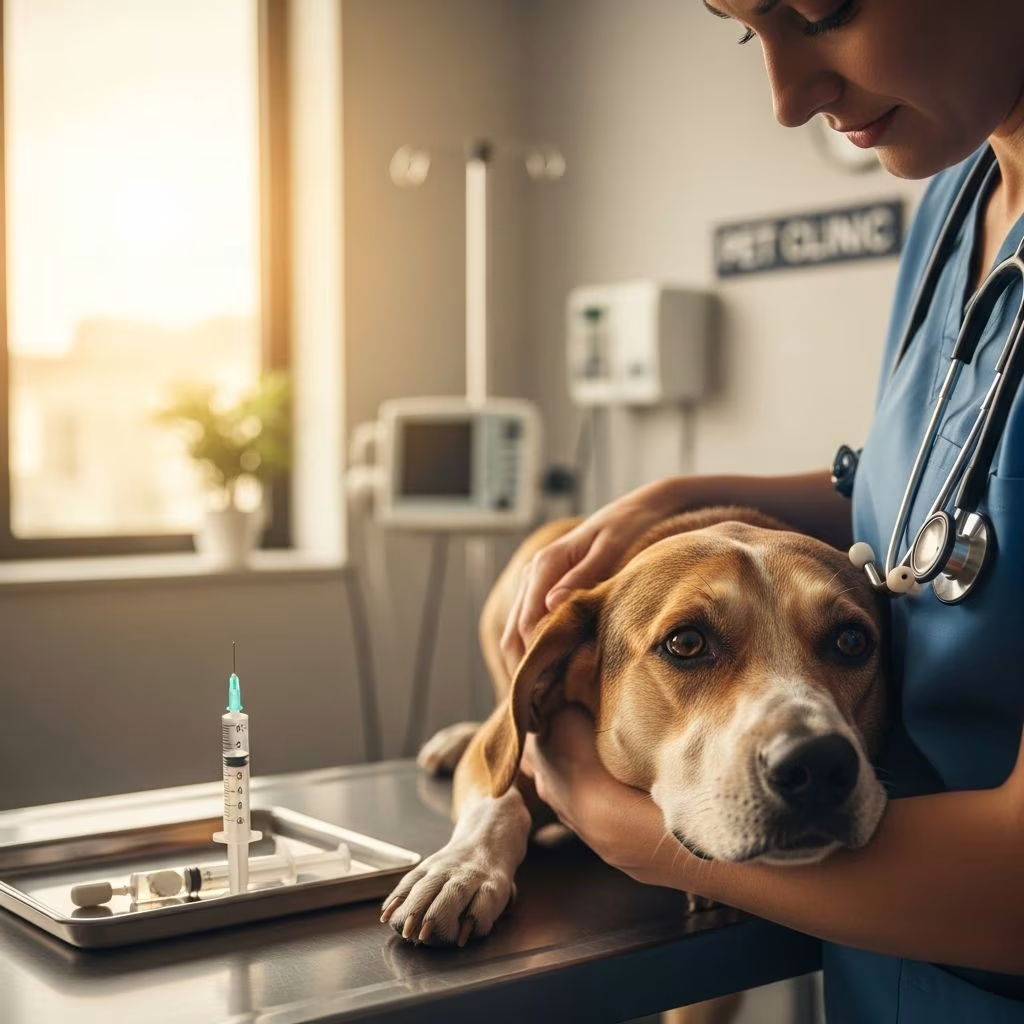
Understanding Butorphanol: A Veterinary Pain Management Solution
Butorphanol is an important medication in veterinary medicine, serving as a reliable pain reliever for companion animals and equines. This opioid analgesic has become a cornerstone of modern pain management protocols in veterinary practice. Whether your pet is recovering from surgery, dealing with chronic pain, or experiencing acute discomfort, understanding butorphanol can help you make informed decisions about your pet’s healthcare with your veterinarian.
What is Butorphanol?
Butorphanol is an opiate analgesic, meaning it belongs to a class of medications derived from or mimicking the effects of opium-based compounds. The medication is available under several brand names, including Torbutrol®, Torbugesic®, and Dolorex®. Unlike some pure opioids such as morphine, butorphanol functions uniquely in the body. It works for a short duration to alleviate mild to moderate pain and also acts as an antagonist to pure opioids, meaning it can help block or reduce the effects of other opioid medications.
This dual action makes butorphanol particularly valuable in veterinary medicine, as it provides effective pain relief while offering some protective mechanisms against opioid overdose or excessive opioid effects. Butorphanol is available in multiple formulations to accommodate different treatment scenarios and animal species.
Available Forms and Strengths
Butorphanol comes in various pharmaceutical forms designed for different routes of administration. Understanding these forms helps ensure proper medication handling and administration:
- Injectable solutions available in concentrations of 0.5 mg/mL, 2 mg/mL, and 10 mg/mL
- Oral tablets in strengths of 1 mg, 5 mg, and 10 mg
- Both forms are widely used in veterinary practice across different species
How is Butorphanol Administered?
Butorphanol offers flexibility in administration, which allows veterinarians to choose the most appropriate method based on the patient’s condition and treatment goals. Understanding these administration routes is essential for pet owners to properly administer medication as prescribed.
Oral Administration
Butorphanol can be given by mouth in the form of an oral tablet. The oral tablet can be given with or without food, making administration relatively straightforward for pet owners. This route is often used for maintenance pain relief or when injectable routes are not necessary. However, the choice between oral and injectable forms depends on factors such as the severity of pain, the pet’s ability to take oral medications, and the desired onset of action.
Injectable Administration
For more immediate pain relief or in situations where oral administration is not feasible, butorphanol can be given through several injectable routes:
- Subcutaneous injection (under the skin)
- Intramuscular injection (into muscle tissue)
- Intravenous injection (into a vein)
The injectable solution is typically administered by your veterinarian, ensuring proper dosing and technique. The choice of route depends on the clinical situation, desired speed of action, and individual patient factors.
Dosage Information for Different Species
Proper dosing is critical for safe and effective pain management. Dosage varies significantly between species and depends on the specific indication for use.
Dogs and Cats
For dogs and cats, butorphanol dosing depends on whether the medication is being used for pain control or cough suppression:
- For pain control: 0.05 to 0.4 mg per pound (0.1 to 1 mg/kg) administered two to six times per day
- For cough management: 0.025 to 0.05 mg per pound (0.055 to 0.11 mg/kg) administered two to four times per day
For tablet formulations in dogs and cats, dosing follows similar parameters, with maximum doses typically not exceeding one 5 mg tablet for each 10 lbs of body weight when necessary. Treatment should generally not exceed seven days without veterinary reassessment.
Horses
Equine dosing protocols differ from companion animals. The recommended dosage in horses is 0.1 mg of butorphanol per kilogram of body weight (0.05 mg/lb) by intravenous injection. This is equivalent to 5 mL of injectable butorphanol for each 1,000 lbs of body weight. The analgesic effects in horses are observed within 15 minutes following injection and typically persist for approximately 4 hours. Doses may be repeated within 3 to 4 hours, but treatment should not exceed 48 hours without veterinary evaluation.
Research in horses has demonstrated that intravenous dosages ranging from 0.05 to 0.4 mg/kg effectively alleviate both visceral and superficial pain for at least 4 hours. Studies have shown that a dosage of 0.1 mg/kg provides better pain relief than 0.05 mg/kg but is not significantly different from 0.2 mg/kg for alleviating deep abdominal pain.
Onset and Duration of Action
The timing of butorphanol’s effects is an important consideration when planning pain management. When given by injection, butorphanol demonstrates relatively rapid onset of action. In horses, analgesic effects are seen within 15 minutes following intravenous injection, with pain relief persisting for approximately 4 hours. This timeframe makes butorphanol suitable for both acute pain episodes and scheduled pain management protocols.
The short duration of action means that dogs and cats receiving butorphanol for pain control may require multiple doses throughout the day to maintain consistent analgesia. Your veterinarian will establish a dosing schedule based on your pet’s specific pain condition and response to treatment.
Side Effects and Safety Considerations
While butorphanol is generally well-tolerated in pets, like all medications, it can produce side effects. Understanding these potential reactions helps pet owners recognize when veterinary attention may be needed.
Common Side Effects
The most frequently observed side effect of butorphanol in horses is slight ataxia (loss of coordination or unsteady gait), which typically lasts 3 to 10 minutes. In clinical trials, marked ataxia occurred in only 1.5% of 327 horses treated. Mild sedation was reported in 9% of horses receiving the medication. In dogs, transient sedation and ataxia have been reported rarely as side effects following injection.
Special Precautions for Certain Dog Breeds
Butorphanol should be used carefully in dogs with MDR1 (ABCB-1) mutations, a genetic variation that affects how certain medications are processed in the body. Dog breeds most commonly found to have the MDR1 mutation include:
- Australian Shepherds
- Shetland Sheepdogs
- Collies
- Long-haired Whippets
- Silken Windhounds
If your pet belongs to one of these breeds, your veterinarian will weigh the pros and cons of using butorphanol and will typically decrease the dosage by 25-50% if the medication is deemed necessary.
Gastrointestinal Considerations
Some pets may experience vomiting or gastrointestinal upset after receiving butorphanol on an empty stomach. If your pet demonstrates these signs, administering the medication with food may help minimize these effects, though you should always consult your veterinarian before changing administration methods.
Drug Safety and Tolerance
Research demonstrates that butorphanol has a favorable safety profile when used appropriately. In equine studies, horses tolerated butorphanol given intravenously at dosages of 0.1, 0.3, and 0.5 mg/kg every 4 hours for 48 hours, followed by once daily injections for a total of 21 days. The only detectable drug effects in these high-dosage group studies were slight transient ataxia observed occasionally. Importantly, no clinical, laboratory, or gross or histopathologic evidence of any butorphanol-related toxicity was encountered in any of the horses studied.
How Butorphanol Differs from Other Pain Medications
Butorphanol’s unique mechanism of action distinguishes it from other pain relief options. While pure opioid medications like morphine provide analgesia through selective opioid receptor activation, butorphanol functions as both an agonist and antagonist at different opioid receptors. This means butorphanol provides pain relief while simultaneously blocking the effects of pure opioids. This property makes butorphanol particularly useful in situations where it may need to be used alongside or in place of other opioid medications, as it can help prevent opioid-related side effects or overdose situations.
Important Administration Guidelines
Proper administration ensures that your pet receives the full therapeutic benefit of butorphanol while minimizing the risk of adverse effects. Several key points should be remembered:
- Medication should never be administered without first consulting your veterinarian
- Butorphanol can be given either as an oral tablet or injection, depending on the clinical situation
- This drug comes in many different sized tablets and strengths for injection—ensure you are using the correct amount as prescribed
- Make sure you are giving the drug correctly by following your veterinarian’s specific instructions
- Treatment duration should not normally exceed seven days without veterinary reassessment
- If your animal vomits or acts sick after receiving the drug, contact your veterinarian
When Butorphanol is Indicated
Butorphanol is appropriate for various pain conditions in veterinary medicine. The medication is particularly useful for mild to moderate acute pain situations such as post-surgical pain, trauma recovery, and pain management following dental procedures. Additionally, butorphanol’s antitussive properties (ability to suppress coughing) make it valuable for managing cough in dogs and cats, particularly in cases of kennel cough or other upper respiratory conditions causing persistent coughing.
Working with Your Veterinarian
Successful pain management with butorphanol requires close cooperation between pet owners and their veterinary team. Your veterinarian will consider multiple factors when deciding whether butorphanol is appropriate for your pet, including the type and severity of pain, your pet’s age and overall health status, any existing medical conditions, concurrent medications, and your pet’s breed (particularly for MDR1 mutation considerations). Regular communication with your veterinarian about your pet’s response to treatment helps ensure optimal pain control and allows for dosage adjustments if needed.
Frequently Asked Questions (FAQs)
Q: Can I give butorphanol to my pet at home?
A: Yes, if your veterinarian prescribes oral tablets, you can administer butorphanol at home following the veterinarian’s specific instructions. Injectable forms are typically administered by your veterinarian during office visits.
Q: How long does butorphanol take to work?
A: When given by injection, butorphanol typically begins working within 15 minutes. Oral tablets may take slightly longer to be absorbed and become effective.
Q: Is butorphanol safe for long-term use?
A: Butorphanol is generally safe for short-term pain management. Treatment typically should not exceed seven days without veterinary reassessment. Your veterinarian can determine if extended use is appropriate for your pet’s specific condition.
Q: Can butorphanol be used to suppress coughing?
A: Yes, butorphanol has antitussive properties and can be used to suppress cough at lower dosages (0.025 to 0.05 mg per pound) administered two to four times per day in dogs and cats.
Q: What should I do if I miss a dose?
A: If you miss a dose, give the medication as soon as you remember. However, if it is almost time for the next dose, skip the missed dose and continue with the regular schedule. Do not double-dose. Contact your veterinarian if you have concerns about a missed dose.
Q: Are there any drug interactions I should know about?
A: Since butorphanol interacts with opioid receptors and other medications may affect its efficacy or safety, always inform your veterinarian of all medications and supplements your pet is currently taking before starting butorphanol.
References
- DOLOREX® (butorphanol tartrate injection) – Merck Animal Health — Merck Animal Health USA. 2024. https://www.merck-animal-health-usa.com/products/dolorex/
- Butorphanol Tartrate (Torbugesic®, Torbutrol®, Dolorex®) for Dogs and Cats — PetPlace. 2024. https://www.petplace.com/article/drug-library/drug-library/library/butorphanol-tartrate-torbugesic-torbutrol-dolorex-for-dogs-and-cats
- Torbutrol Tablets Package Insert — Zoetis US. 2024. https://www.zoetisus.com/content/_assets/docs/vmips/package-inserts/torbutrol_tablets.pdf
- Anaesthetic Dosage Charts – Dogs — Virbac UK. 2024. https://vet-uk.virbac.com/files/live/sites/virbac-b2b-uk/files/Resources/Anaesthetics/Anaesthetics%20Dosage%20Charts.pdf
- Torbugesic® (butorphanol tartrate injection) – DailyMed — U.S. National Library of Medicine. 2024. https://dailymed.nlm.nih.gov/dailymed/fda/fdaDrugXsl.cfm?setid=f05b503c-135a-4884-9c89-53f14946f3e0
- Butorphanol Veterinary Medication Guide — DogCatDoc. 2021. https://dogcatdoc.com/wp-content/uploads/2021/05/VMG-Butorphanol.pdf
- Butorphanol | VCA Animal Hospitals — VCA Animal Hospitals. 2024. https://vcahospitals.com/know-your-pet/butorphanol



