

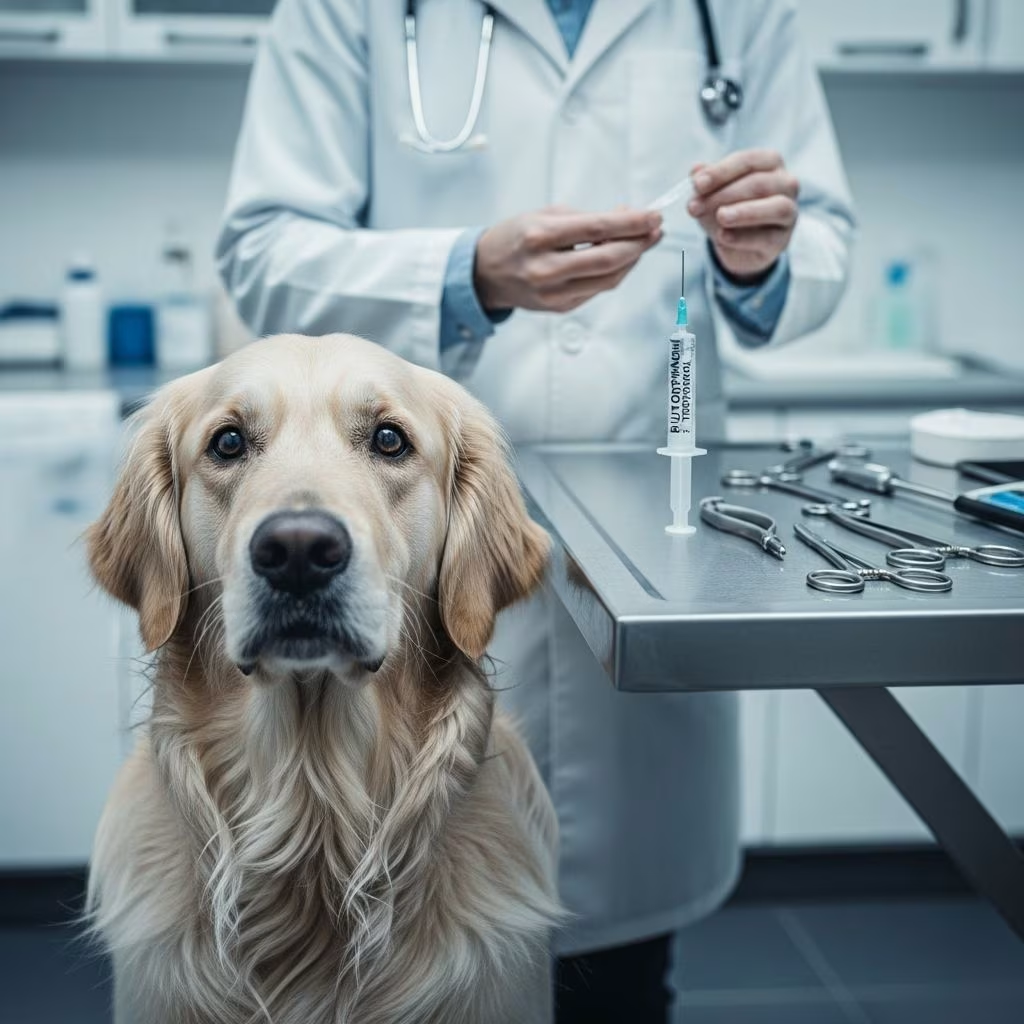
When dogs develop kennel cough, commonly known as canine infectious respiratory disease complex (CIRDC), pet owners often seek effective treatment options to alleviate their dog’s discomfort. One medication that veterinarians may consider prescribing is butorphanol, a medication with dual properties as both a pain reliever and cough suppressant. Understanding how this medication works, when it is appropriate, and what pet owners should expect can help ensure the best care for dogs suffering from respiratory infections.
Understanding Canine Respiratory Infections and Cough Suppressants
Kennel cough represents one of the most common respiratory conditions in dogs, affecting canines across different ages and backgrounds. This highly contagious condition causes a distinctive honking cough that can persist for days or weeks, disrupting both the dog’s sleep and the household’s peace. The condition results from viral and sometimes bacterial infections affecting the dog’s respiratory tract.
While many cases of kennel cough resolve independently within 10 to 14 days with supportive care, the persistent coughing can cause significant discomfort. This is where cough suppressants enter the treatment picture. Unlike antibiotics that target bacterial infections, cough suppressants work by reducing the coughing reflex itself, allowing dogs to rest and recover more comfortably.
What Is Butorphanol and How Does It Work
Butorphanol is a centrally acting opioid medication that operates on multiple levels within a dog’s body. Classified as a mixed opioid agonist-antagonist, butorphanol binds to opioid receptors in the central nervous system, producing analgesic and antitussive effects. In simpler terms, the medication provides pain relief while simultaneously suppressing the cough reflex.
The medication’s mechanism involves interaction with specific neurological pathways that trigger coughing responses. By modulating these pathways, butorphanol reduces the urge to cough without completely eliminating the reflex—an important distinction, as some coughing is necessary to clear airways of mucus and debris. This selective suppression allows dogs to breathe more comfortably while maintaining some protective cough function.
Butorphanol is available in several pharmaceutical forms, including injectable solutions and tablets, making it flexible for different clinical situations. Veterinarians may choose the most appropriate form based on the individual dog’s condition and the treatment setting.
When Veterinarians Prescribe Butorphanol
Veterinarians typically consider butorphanol for specific scenarios within kennel cough treatment protocols. The decision to prescribe this medication depends on several factors:
- Severity of coughing: Dogs experiencing intense, uncontrolled coughing that prevents sleep or significantly impacts quality of life are better candidates for butorphanol therapy.
- Lack of response to other treatments: When standard supportive care and milder cough suppressants prove inadequate, butorphanol may be considered.
- Duration of illness: Dogs whose kennel cough extends beyond the typical 10-14 day recovery period may benefit from butorphanol to manage persistent symptoms.
- Secondary complications: Dogs showing signs of pain or discomfort related to the infection may particularly benefit from butorphanol’s dual action.
- Overall health status: Senior dogs or those with underlying health conditions may require careful consideration regarding opioid medications.
It is important to note that cough suppressants are not always necessary for kennel cough treatment. Most dogs recover without specific cough medication, with supportive care alone being sufficient. Veterinarians reserve cough suppressants, including butorphanol, for situations where the benefits outweigh potential risks and where other management strategies have proven insufficient.
Dosage and Administration Guidelines
Butorphanol dosing for dogs is carefully calculated based on the individual animal’s weight and the specific condition being treated. Typical dosages for cough suppression generally range from 0.055 to 0.11 mg/kg administered every 6 to 12 hours, though veterinarians may adjust these amounts based on the dog’s response and overall health status.
The medication can be administered through various routes, depending on the formulation chosen and the clinical situation:
| Administration Route | Form | Frequency | Considerations |
|---|---|---|---|
| Oral | Tablets | Every 6-12 hours | Most convenient for home treatment; requires dog to swallow medication |
| Intravenous | Injectable | Every 6-12 hours | Typically used in clinical settings; provides rapid onset of action |
| Intramuscular | Injectable | Every 6-12 hours | Alternative injection route; useful when IV administration is not feasible |
Pet owners administering butorphanol at home must follow veterinary instructions precisely. Missing doses or altering the dosing schedule can reduce effectiveness and potentially lead to rebound coughing. Conversely, exceeding prescribed doses increases the risk of adverse effects.
Potential Side Effects and Safety Considerations
As with any medication, butorphanol carries potential side effects that pet owners should understand. The most commonly observed side effects relate to the opioid component of the medication:
- Sedation: Dogs may appear drowsy or less active during treatment, which is often desirable since rest aids recovery.
- Constipation: Opioid medications commonly reduce gastrointestinal motility, potentially leading to reduced bowel movements.
- Urinary retention: Some dogs may have difficulty urinating while on butorphanol therapy.
- Dizziness or disorientation: Certain dogs may experience lightheadedness or confusion, particularly at higher doses.
- Appetite changes: Some dogs show decreased interest in food during treatment.
Butorphanol is not appropriate for all dogs. Veterinarians will not prescribe this medication if a dog has certain conditions, including respiratory depression (difficulty breathing), severe liver or kidney disease, or known sensitivity to opioid medications. Additionally, butorphanol may interact with other medications, making complete disclosure of all treatments essential when consulting with veterinarians.
Senior dogs and puppies require particularly careful consideration, as their bodies may process medications differently than adult dogs. Pregnant or nursing dogs should not receive butorphanol without specific veterinary guidance.
Comparing Treatment Approaches for Kennel Cough
Butorphanol represents just one tool in the veterinary toolkit for managing kennel cough. Understanding how it compares to other treatment options helps pet owners make informed decisions:
Supportive Care: The foundation of kennel cough treatment includes rest, proper nutrition, hydration, and humidification. Many dogs recover completely with these measures alone, requiring no medication.
Antibiotics: If bacterial infection is suspected or confirmed, antibiotics like doxycycline may be prescribed to combat the underlying infection. These target the disease cause rather than symptoms.
Other Cough Suppressants: Beyond butorphanol, veterinarians may consider other cough suppressant options depending on individual circumstances and medication availability.
Anti-inflammatory Medications: These reduce airway inflammation, potentially decreasing the cough reflex more gently than stronger suppressants.
The most appropriate treatment depends on the individual dog’s condition, age, overall health status, and the severity of symptoms. Many dogs benefit from a combination approach rather than any single medication.
Home Care While Using Butorphanol
When a veterinarian prescribes butorphanol, pet owners play a crucial role in supporting the dog’s recovery. Proper home management enhances the medication’s effectiveness:
- Maintain a clean, calm environment: Minimize stressors and irritants that could trigger coughing episodes.
- Use a humidifier: Moist air can soothe irritated airways and complement medication therapy.
- Monitor food and water intake: Ensure the dog remains adequately hydrated and receives proper nutrition.
- Use a harness instead of collar: Pressure on the trachea from a collar can exacerbate coughing.
- Provide rest: Limit physical activity to allow the body to focus energy on fighting infection.
- Track symptom changes: Monitor whether symptoms improve, worsen, or remain unchanged while on medication.
If no improvement is observed within one week of starting treatment, or if symptoms worsen, contacting the veterinarian for reassessment is essential.
When to Seek Veterinary Care
While many cases of kennel cough resolve without serious complications, certain warning signs require immediate veterinary attention. Pet owners should contact their veterinarian if their dog displays:
- Difficulty breathing or labored respiration
- Lethargy or extreme lack of energy
- Loss of appetite or refusal to eat
- Colored nasal discharge (yellow, green, or blood-tinged)
- High fever
- Productive cough that worsens despite treatment
- Signs of pneumonia such as moist coughing or wheezing
- Adverse reactions to prescribed medications
These symptoms may indicate complications such as secondary bacterial infection or pneumonia, which require more aggressive treatment than simple cough suppression.
Prevention Through Vaccination and Environmental Control
While butorphanol and other treatments address existing infections, prevention remains the most effective long-term strategy. Bordetella vaccination is available in injectable, intranasal, and oral forms, offering protection against one of the primary kennel cough pathogens. However, vaccination does not guarantee absolute protection—vaccinated dogs may still contract kennel cough but typically experience less severe symptoms.
Environmental measures also play an important role in prevention. Proper ventilation in kennels, grooming facilities, and homes helps reduce transmission of respiratory pathogens. Maintaining good air quality and minimizing close contact between potentially infected and healthy dogs significantly reduces disease spread.
Frequently Asked Questions About Butorphanol for Dogs
Is butorphanol safe for all dogs?
Butorphanol is not suitable for all dogs. Dogs with liver disease, kidney disease, respiratory depression, or opioid sensitivity should not receive this medication. Puppies, senior dogs, and pregnant dogs require special consideration. Always inform your veterinarian of your dog’s complete medical history.
How quickly does butorphanol work?
Injectable butorphanol typically begins working within 15-30 minutes of administration, while oral tablets may take 30-60 minutes to take effect. The cough suppression effects usually last 6-12 hours depending on the individual dog and dosage.
Can butorphanol be used long-term?
Butorphanol is typically prescribed for short-term management of acute kennel cough symptoms rather than long-term use. Extended opioid use carries risks of dependence and tolerance, making it inappropriate for chronic conditions.
What should I do if my dog misses a dose?
If a dose is missed, administer it as soon as remembered unless it is nearly time for the next scheduled dose. Never double doses to make up for a missed dose. Contact your veterinarian if you are uncertain about dosing.
Can I give my dog over-the-counter cough medicine instead?
No. Over-the-counter human cough and cold medications can be toxic to dogs and should never be administered without explicit veterinary approval. Always use only medications prescribed or approved by your veterinarian.
Conclusion: Making Informed Treatment Decisions
Butorphanol represents a valuable option for managing discomfort and suppressing coughs in dogs with kennel cough when appropriate. However, it is not a standard first-line treatment and is reserved for specific situations where the benefits justify its use. The decision to use butorphanol should always involve consultation with a veterinarian who understands the individual dog’s health status, age, and specific condition.
Effective kennel cough management typically begins with supportive care, environmental modifications, and monitoring. Only when these foundational approaches prove insufficient do medications like butorphanol become necessary. By working closely with veterinary professionals and maintaining open communication about treatment progress, pet owners can ensure their dogs receive optimal care tailored to their unique needs.
References
- Kennel Cough in Dogs: Symptoms, Causes, and Treatment — PetMD. 2024. https://www.petmd.com/dog/conditions/respiratory/kennel-cough-dogs-what-are-symptoms-and-how-kennel-cough-treated
- Kennel Cough Treatment — VEG Animal Hospital. 2024. https://www.veg.com/post/kennel-cough-in-dogs
- Kennel Cough Home Treatment for Dogs — Franklin Veterinary Clinic. 2023. https://franklintnvet.com/kennel-cough-home-treatment-for-dogs/
- Kennel Cough Causes, Symptoms & Treatment — Trudell Animal Health. 2024. https://trudellanimalhealth.com/blogs/blog/kennel-cough-causes-symptoms-amp-treatment
- The Risks of Kennel Cough — Cornell University College of Veterinary Medicine. 2024. https://www.vet.cornell.edu/departments-centers-and-institutes/riney-canine-health-center/canine-health-topics/risks-kennel-cough
- Canine Infectious Respiratory Disease Complex (Kennel Cough) — American Veterinary Medical Association. 2024. https://www.avma.org/resources-tools/pet-owners/petcare/canine-infectious-respiratory-disease-complex-kennel-cough
- Kennel Cough: Respiratory Diseases of Small Animals — Merck Veterinary Manual. 2024. https://www.merckvetmanual.com/respiratory-system/respiratory-diseases-of-small-animals/kennel-cough



